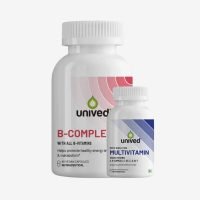
Vitamins & Minerals: A Practical Guide to Everyday Nutritional Support

Introduction to Vitamins & Minerals
Vitamins & Minerals are essential nutrients that the body needs to carry out many normal functions. They are naturally present in a wide range of foods and, when required, can also be obtained through appropriately selected nutritional supplements.
A balanced and varied diet is generally the foundation of good nutrition. However, individual nutritional requirements can differ depending on age, dietary habits, lifestyle, and other factors. This makes understanding vitamins, minerals, and their different forms useful when making informed choices.
The Vitamins & Minerals category brings together nutritional products designed around different nutrient requirements and dietary preferences. Whether you are exploring basic nutritional support or looking for a particular type of nutrient, understanding what you are choosing is an important first step.
Types and Important Aspects of Vitamins & Minerals
Vitamins and minerals are often discussed together, but they are different groups of nutrients with different characteristics.
Vitamins: Essential Organic Nutrients
Vitamins are organic compounds required by the body in relatively small amounts. They are commonly divided into two broad groups:
- Water-soluble vitamins, such as vitamin C and the B-group vitamins.
- Fat-soluble vitamins, including vitamins A, D, E and K.
Different vitamins have different roles in normal bodily processes, so nutritional requirements should be considered as a whole rather than focusing on a single nutrient without context.
Minerals: Naturally Occurring Essential Nutrients
Minerals are inorganic nutrients that the body requires for various normal functions. They are commonly classified as either major minerals or trace minerals depending on the quantities generally required.
Examples include calcium, magnesium, iron, zinc and selenium. Their dietary sources can include grains, vegetables, fruits, dairy foods, legumes, nuts, seeds and other foods.
Single-Nutrient and Combined Formulations
Nutritional products can differ considerably in their formulation. Some focus on one particular vitamin or mineral, while others combine several nutrients in a single formulation.
A combined formulation can be convenient for people who prefer a broader nutritional approach, while a single-nutrient option may be more relevant when there is a specific dietary requirement.
How to Choose the Right Products in This Category
Choosing Vitamins & Minerals should be based on your nutritional needs rather than simply selecting the product with the largest number of nutrients.
Consider Your Dietary Requirements
Start by considering your normal diet. A varied diet can provide many essential nutrients, while certain dietary patterns may require closer attention to particular nutrients.
Vegetarian, vegan, dairy-free and other dietary preferences can also influence which formulations are suitable for an individual.
Check the Nutrient Composition
Read the nutrition or supplement information carefully. Look at:
- Nutrients included
- Quantity per serving
- Recommended serving size
- Ingredients
- Dietary information
- Storage instructions
- Usage directions
Understanding the label makes it easier to compare different formulations objectively.
Consider the Form
Vitamins and minerals may be available in different formats, including capsules, tablets, powders, liquids and other preparations.
The most suitable format is often a matter of personal preference and convenience. Consider whether the product is easy for you to incorporate into your normal routine.
Pay Attention to Dietary Preferences
Some formulations may be designed for particular dietary preferences, such as plant-based diets. Always check the ingredient and allergen information rather than assuming a product is suitable based only on its name or category.
Consult a Qualified Professional When Necessary
Nutritional supplements are not a replacement for a balanced diet. If you have a diagnosed nutritional deficiency, take regular medication, are pregnant or breastfeeding, or have a specific health concern, it is sensible to seek advice from a qualified healthcare professional before starting a supplement.
Popular Styles, Varieties and Choices

The Vitamins & Minerals category covers a broad range of nutritional approaches.
Daily multivitamin formulations combine several vitamins and minerals and are often chosen by people looking for convenient nutritional support.
Individual vitamin formulations focus on nutrients such as vitamin C or vitamin D. These can be relevant when a person has a specific dietary requirement.
Mineral-focused supplements may centre on nutrients such as iron, calcium, magnesium or zinc.
Combination formulations may bring together vitamins, minerals and other nutritional ingredients, depending on their formulation.
Age- or lifestyle-oriented nutrition can also influence product selection. Nutritional requirements can vary between children, adults and older individuals, while active lifestyles may involve different dietary considerations.
The key is to look beyond the category name and understand the actual formulation, serving information and intended use.
Why Explore Vitamins & Minerals on SaleManch?
SaleManch provides a convenient place to explore the Vitamins & Minerals category and understand different nutritional options in one place.
For customers, category-based shopping can make it easier to compare formulations, ingredient information and dietary considerations before making a decision. Instead of choosing solely on packaging or general claims, customers can focus on the information that actually matters to them.
SaleManch also brings together a wider range of shopping categories, making it convenient to explore nutritional and everyday lifestyle requirements alongside other products.
Tips for Choosing Products from This Category
1. Read the Label Carefully
Always check the complete ingredient and nutritional information before making a choice.
2. Avoid Choosing Solely by Quantity
A higher quantity of a nutrient is not automatically better. Nutritional requirements differ from person to person.
3. Check Serving Instructions
Pay attention to the recommended serving size and directions provided on the product packaging.
4. Consider Your Existing Diet
Think about which nutrients you already receive through your everyday meals before adding nutritional supplements to your routine.
5. Check Allergens and Dietary Information
If you have food allergies or follow a specific dietary pattern, review the ingredient information carefully.
6. Store Products Properly
Follow the storage instructions provided on the packaging to help maintain product quality.
7. Seek Professional Advice When Appropriate
If you are considering supplementation because of a suspected deficiency or a specific health concern, professional guidance can help you make a more informed decision.
Frequently Asked Questions
What are vitamins and minerals?
Vitamins and minerals are essential nutrients required by the body for various normal functions. They are obtained primarily through food and may also be available through nutritional supplements.
What is the difference between vitamins and minerals?
Vitamins are organic compounds, while minerals are inorganic nutrients. Both are essential, but they differ in their chemical characteristics and dietary sources.
Can I get vitamins and minerals from food?
Yes. A varied diet containing vegetables, fruits, grains, legumes, nuts, seeds, dairy or suitable alternatives and other foods can provide many essential nutrients.
Are multivitamins suitable for everyone?
Not necessarily. Nutritional requirements vary between individuals. A multivitamin should be considered according to personal dietary needs and professional advice where appropriate.
Should I take vitamins every day?
The appropriate intake depends on the particular nutrient, diet and individual circumstances. Always follow the product’s recommended directions and seek professional advice when necessary.
What should I check before buying a vitamin supplement?
Check the nutrient composition, serving size, ingredients, dietary information, allergen information, usage instructions and storage requirements.
Are vitamins available in different forms?
Yes. Depending on the nutrient and formulation, they can be available as tablets, capsules, powders, liquids and other formats.
Can children use vitamin and mineral supplements?
Children have different nutritional requirements from adults. Any supplement intended for a child should be selected carefully according to age-specific guidance and professional advice where appropriate.
Can I take multiple vitamin and mineral supplements together?
Combining supplements can sometimes result in overlapping nutrients. Check the nutritional information carefully and consult a qualified healthcare professional if you are unsure.
Are supplements a replacement for a healthy diet?
No. Supplements should not be viewed as a substitute for a balanced and varied diet. They are best considered as part of an overall approach to nutrition.
Conclusion
Vitamins & Minerals are an important part of understanding everyday nutrition. The right choice depends on individual dietary needs, nutrient composition, formulation, lifestyle and personal preferences. By reading labels carefully and making informed decisions, you can approach nutritional products with greater confidence.
Explore the Vitamins & Minerals category on SaleManch to discover nutritional options and make choices that fit your everyday requirements.