
Skin Dehydration: Essential Guide to Hydrated, Comfortable and Healthy-Looking Skin
Introduction to Skin Dehydration
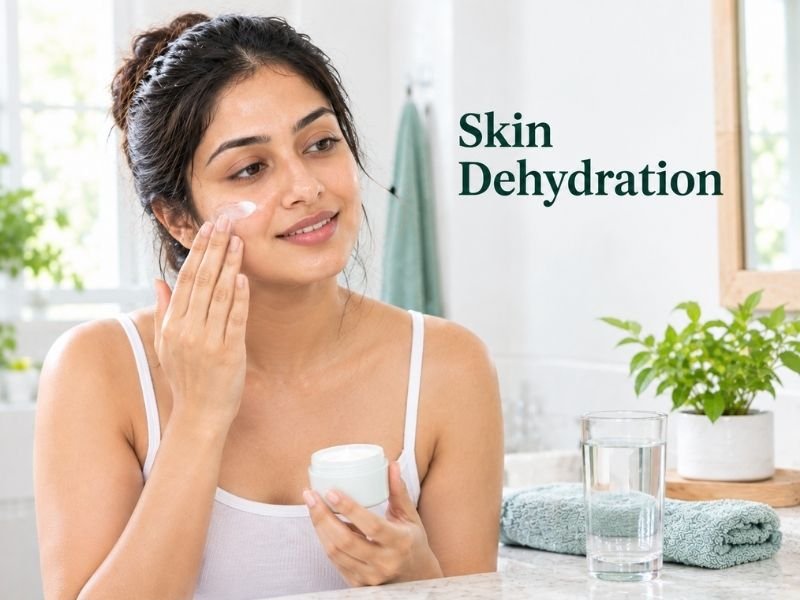
Skin dehydration is a common skincare concern that can affect different skin types, including oily, combination, normal and dry skin. Unlike a lack of natural oil, dehydration refers to insufficient water in the skin. This can make the skin feel tight, look dull and appear less smooth than usual.
Daily exposure to environmental conditions, changing weather, air conditioning, cleansing habits and an inconsistent skincare routine can influence how comfortable and hydrated the skin feels. A thoughtful routine focused on hydration can help support a softer, fresher and more comfortable skin appearance.
The Skin Dehydration category brings together skincare choices focused on cleansing, moisturising, soothing and maintaining a hydration-oriented routine. Understanding what your skin needs is an important first step before selecting products.
Understanding Skin Hydration and Dehydration
Skin hydration is about maintaining adequate water content within the outer layers of the skin. When the skin feels dehydrated, it may appear dull or feel tight, especially after cleansing.
Hydration vs. Moisture
Hydration and moisture are related but not identical concepts. Hydrating skincare generally focuses on supporting the skin’s water content, while moisturising products help support the skin barrier and reduce moisture loss.
This distinction is useful because dehydrated skin can occur alongside different skin types. Someone with oily skin, for example, may still experience a feeling of dehydration.
Common Signs of Dehydrated Skin
Some commonly noticed signs include:
- A tight or uncomfortable feeling
- Dull-looking skin
- Rough or less smooth texture
- Skin that feels dry after cleansing
- Fine lines appearing more noticeable temporarily
- Makeup looking uneven or settling into dry areas
These signs can have different causes, so they should not automatically be treated as proof of dehydration.
The Role of a Consistent Routine
A simple, consistent routine is often easier to maintain than using many products at once. Cleansing, hydration and moisturising can form the foundation of a practical skincare routine, while additional steps can be selected according to personal preferences and skin needs.
How to Choose the Right Products for Skin Dehydration
Choosing skincare for dehydration should begin with understanding your skin rather than simply choosing the most intensive-looking option.
Consider Your Skin Type
Skin type can influence how you approach hydration.
- Dry skin: Often benefits from a routine that combines hydration with moisturising care.
- Oily skin: May prefer lightweight, comfortable hydration without a heavy finish.
- Combination skin: May need different levels of moisturising across different areas.
- Normal skin: Can generally focus on maintaining a balanced and consistent routine.
- Sensitive-feeling skin: May benefit from keeping routines simple and avoiding unnecessary complexity.
Look at the Product's Purpose
Consider whether you need a cleanser, hydrating treatment, moisturiser, body lotion or another type of skincare product. Each serves a different role.
A cleanser is designed for cleansing, while a moisturiser is generally used as part of the skin’s moisture-supporting routine. Choosing products according to their intended purpose helps prevent an unnecessarily complicated routine.
Check the Ingredient List
Reading the ingredient list can help you understand what you are applying to your skin. Hydration-focused skincare may contain ingredients commonly associated with moisturising and water-binding care, while other formulations may focus on soothing or supporting the skin barrier.
If you have known sensitivities, checking ingredients is particularly important.
Introduce New Products Gradually
When adding something unfamiliar to your routine, introducing one new product at a time makes it easier to understand how your skin responds. Avoid changing several products simultaneously if you want to identify what works best for you.
Popular Choices for a Hydration-Focused Skincare Routine
Skin dehydration can be approached through several general skincare categories.
Hydrating Cleansers
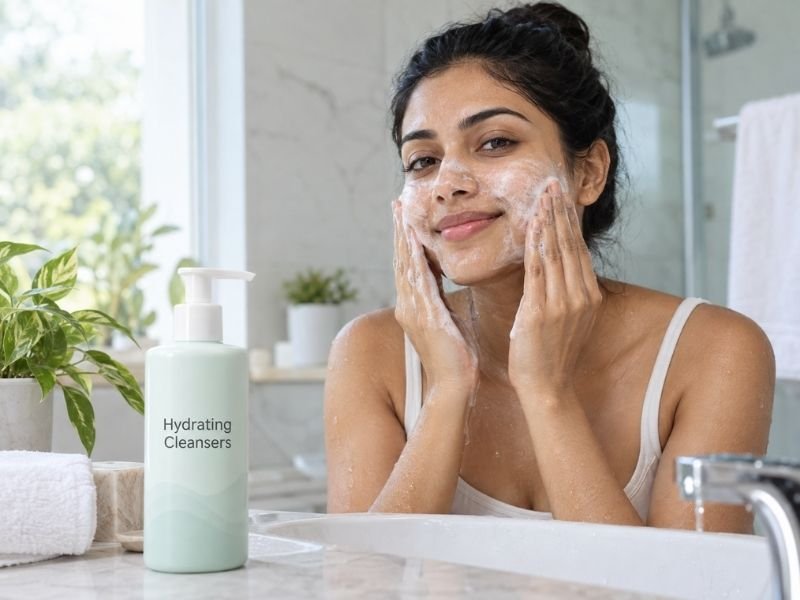
A cleanser is an important part of everyday skincare. For dehydrated-feeling skin, many people prefer cleansing options that leave the skin feeling comfortable rather than excessively tight.
Hydrating Gels and Lightweight Treatments
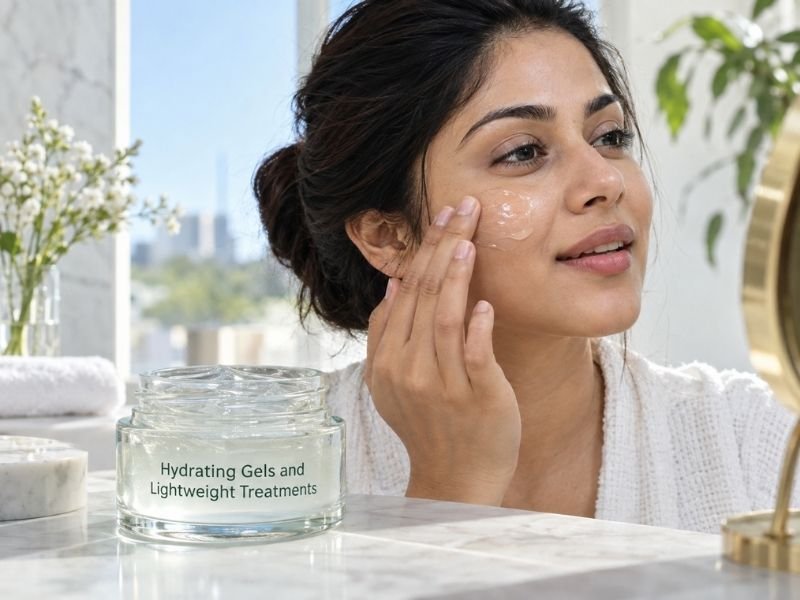
Gel-based and lightweight skincare textures can be appealing for people who want hydration without a heavy-feeling finish. They can be particularly convenient for warm weather or combination and oily skin preferences.
Moisturisers and Creams
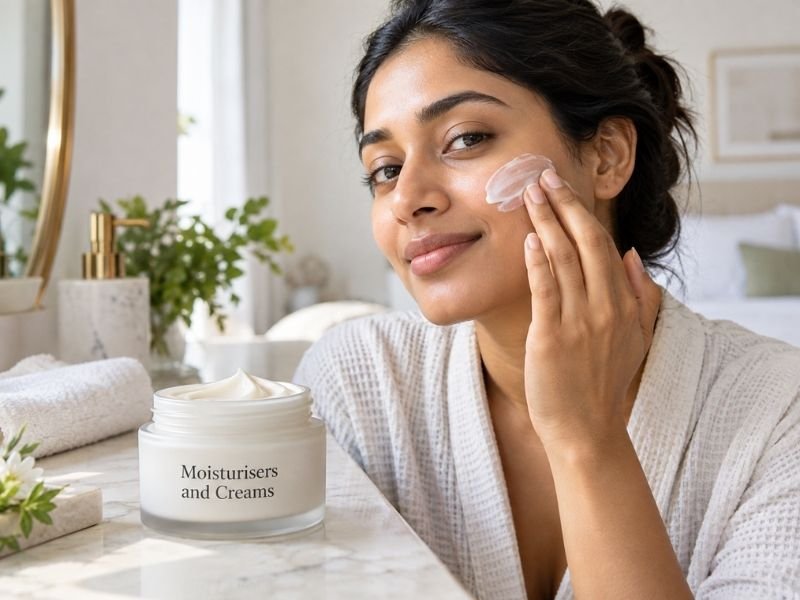
Moisturisers can help support a comfortable skincare routine by providing a layer of conditioning care. Cream-based textures may suit those who prefer richer skincare, while lighter formulations can appeal to people who dislike a heavy finish.
Body Hydration
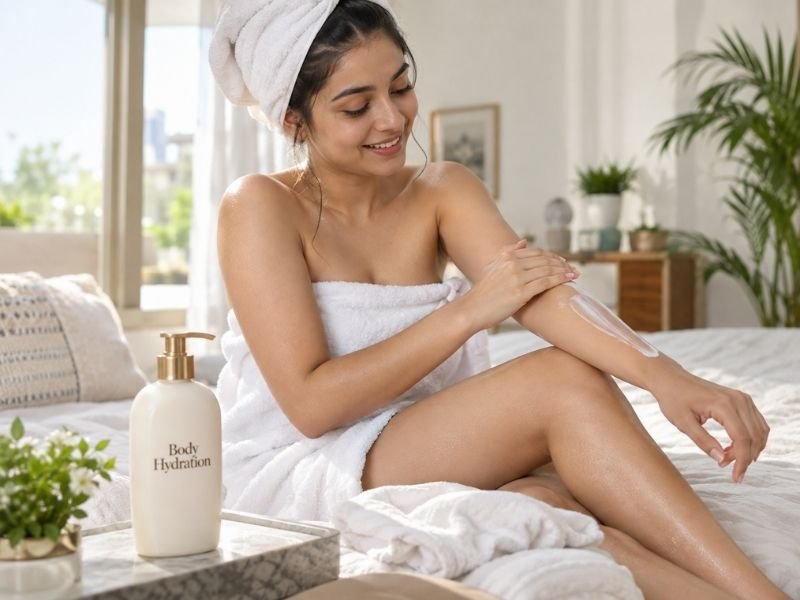
Hydration is not limited to facial skincare. Arms, legs, hands, feet and other areas can also benefit from regular moisturising care, particularly when the skin feels rough or dry.
Why Explore Skin Dehydration Care on SaleManch?
SaleManch provides a convenient place to explore skincare categories according to different personal needs and preferences. The Skin Dehydration category is useful for customers looking specifically for hydration-focused skincare rather than browsing an unrelated collection.
When exploring the category on SaleManch, customers can compare different types of skincare and consider which textures, purposes and routines fit their everyday preferences.
A good skincare choice is not necessarily the most complicated one. The goal is to find options that fit comfortably into a routine you can maintain consistently.
Tips for Choosing Products for Dehydrated Skin
- Understand your skin type: Dehydrated skin can occur with oily, dry or combination skin.
- Keep your routine simple: Start with essential cleansing and moisturising steps.
- Read ingredient information: Check the label carefully, especially if you have ingredient sensitivities.
- Choose the right texture: Lightweight gels may feel preferable to richer creams for some people, while others may prefer a more nourishing texture.
- Avoid over-cleansing: Excessive cleansing can leave some skin feeling uncomfortable or tight.
- Consider the season: Your skincare preferences may change between hot, humid weather and cooler, drier conditions.
- Give products time: Avoid constantly changing your routine before understanding how your skin responds.
- Pay attention to comfort: Tightness, dryness or discomfort can indicate that your current routine may need adjustment.
- Do not overcomplicate skincare: More products do not automatically mean better skincare.
- Seek professional advice when necessary: Persistent or severe skin concerns may require advice from a qualified dermatologist or skincare professional.
Frequently Asked Questions
What is skin dehydration?
Skin dehydration refers to a lack of water in the skin’s outer layers. It can make skin feel tight, rough or dull and may occur with different skin types.
Can oily skin become dehydrated?
Yes. Oily skin can still experience dehydration because oil production and water content are different aspects of skin condition.
What is the difference between dry and dehydrated skin?
Dry skin generally describes a skin type associated with lower oil production, while dehydrated skin describes a temporary or situational lack of water. A person can have dry and dehydrated skin at the same time.
What type of skincare is useful for dehydrated skin?
Hydrating cleansers, lightweight hydration products and moisturisers are commonly used as part of a hydration-focused routine. The right choice depends on skin type and personal preference.
Should I moisturise if my skin is oily?
Moisturising can still be part of an oily-skin routine. Choosing a comfortable, suitable texture can help make moisturising easier to incorporate into everyday skincare.
How often should I use hydrating skincare?
Frequency depends on the individual product and its instructions. Everyday cleansing and moisturising are common parts of many skincare routines, but product directions should always be followed.
Can weather affect skin dehydration?
Weather and environmental conditions can influence how the skin feels. Hot conditions, dry air, air conditioning and seasonal changes may all affect individual skincare needs.
Is a complicated skincare routine better for dehydrated skin?
Not necessarily. A simple, consistent routine can be easier to maintain and may be preferable to using many products without a clear purpose.
How should I choose between a gel and a cream?
Consider your skin type, preferred texture, climate and how the product feels on your skin. Lightweight gels may appeal to those who prefer a non-heavy texture, while creams may suit people who prefer richer skincare.
When should I seek professional skincare advice?
If persistent dryness, irritation, discomfort or another skin concern does not improve with a basic routine, consider consulting a qualified dermatologist or healthcare professional for personalised guidance.
Conclusion
Skin dehydration care is ultimately about building a practical routine that supports comfortable, hydrated and healthy-looking skin. Understanding the difference between hydration and moisture, considering your skin type and choosing products according to their purpose can make skincare more straightforward.
Explore the Skin Dehydration category on SaleManch to discover skincare options suited to different hydration preferences and build a routine that fits naturally into your everyday self-care.
Skin Dehydration