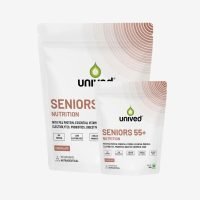
Seniors Nutrition: A Practical Guide to Healthy Ageing and Everyday Wellness

Introduction to Seniors Nutrition
Seniors Nutrition focuses on the dietary needs and everyday nutritional considerations that can become increasingly important with age. As people grow older, changes in appetite, activity levels, digestion, food preferences and overall dietary requirements can influence how they plan their meals.
A balanced approach to nutrition for seniors is not about following complicated diets. It is about making thoughtful food choices that provide a variety of essential nutrients while fitting comfortably into everyday routines. Adequate protein, vitamins, minerals, fibre, healthy fats and fluids can all have a place in a well-planned diet.
For families and older adults, understanding Seniors Nutrition can make it easier to select suitable foods and nutritional products according to individual preferences and professional guidance. SaleManch provides a dedicated space for exploring wellness-related categories while helping customers make informed choices.
Important Aspects of Seniors Nutrition
Protein and Everyday Dietary Needs

Protein is an important part of a balanced diet and is commonly obtained from foods such as pulses, beans, dairy products, eggs, nuts, seeds and other protein-rich foods. Older adults may have different dietary requirements depending on their activity level, eating habits and individual circumstances.
When considering nutritional products, it is useful to look beyond a single nutrient and consider the overall dietary pattern. Products should complement, rather than automatically replace, a varied diet unless specifically recommended by a qualified professional.
Vitamins and Minerals

Vitamins and minerals are essential nutrients involved in many normal bodily functions. Nutrients such as vitamin D, calcium, vitamin B12, iron and magnesium may be relevant when considering an older person’s overall dietary intake, although individual requirements differ.
A supplement is not automatically necessary simply because someone is older. Dietary gaps, existing health conditions, medications and laboratory findings can all affect whether supplementation is appropriate. A doctor or registered dietitian can provide personalised guidance where needed.
Hydration and Fluid Intake

Adequate fluid intake is another important consideration in Seniors Nutrition. Older adults may sometimes experience changes in thirst perception, making regular attention to hydration useful.
Water is generally the simplest choice for everyday hydration. Other fluids and foods with high water content can also contribute to total fluid intake. People with specific medical conditions may have fluid restrictions, so individual medical advice should take priority.
Fibre and Balanced Meals
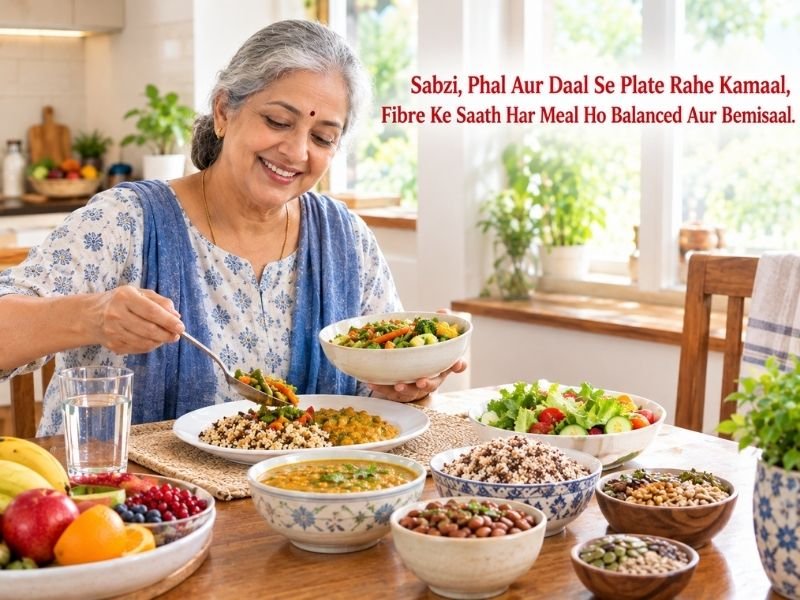
Fibre is found naturally in foods such as vegetables, fruits, whole grains, pulses, beans, nuts and seeds. Including a variety of fibre-containing foods can contribute to a balanced eating pattern.
However, dietary changes should be introduced according to individual tolerance. People who are not accustomed to high-fibre meals may prefer gradual changes alongside adequate fluid intake.
How to Choose the Right Products in Seniors Nutrition
Consider Individual Dietary Requirements
There is no single nutritional formula suitable for every senior. Dietary needs can vary based on age, activity, food preferences, allergies, existing medical conditions and medications.
Before selecting a supplement or specialised nutritional product, consider why it is being used and whether it fits the person’s existing diet. For individuals taking regular medicines or managing a health condition, professional advice is particularly important.
Check the Nutrition Label
Reading the label is one of the simplest ways to understand a nutritional product. Look at the serving size, ingredient list, nutrient quantities and recommended usage.
Do not judge a product solely by the number of listed nutrients. The overall formulation, serving requirements and suitability for the individual matter as well.
Watch for Allergens and Dietary Preferences
Check for ingredients that may conflict with allergies, intolerances or personal dietary choices. Depending on the individual, factors such as vegetarian or plant-based preferences, added sugars, flavouring ingredients and other components may be relevant.
Consider Convenience and Routine
A product that fits naturally into an established routine may be easier to use consistently. Packaging, preparation requirements, serving format and storage instructions can all influence convenience.
For seniors who live independently, simple preparation may be particularly useful. Family members and caregivers can also consider whether the product is practical for the person’s daily routine.
Popular Choices and Varieties in Seniors Nutrition
Seniors Nutrition can cover several broad areas depending on individual dietary goals and requirements. Nutritional products may be available in formats such as powders, capsules, tablets, liquids and other convenient forms.
Some nutritional choices focus on individual nutrients, while others are formulated around broader nutritional needs. The appropriate choice depends on the person’s diet and circumstances rather than simply selecting the product with the largest number of ingredients.
Whole foods should remain an important part of a balanced eating pattern whenever practical. Pulses, vegetables, fruits, whole grains, dairy or suitable alternatives, nuts, seeds and other nutrient-containing foods can contribute variety to everyday meals.
For seniors with changing appetites, meal planning can also focus on making food enjoyable, varied and easy to consume. Taste, texture and portion size may influence food choices just as much as nutritional composition.
Why Explore Seniors Nutrition on SaleManch?
SaleManch makes it convenient to explore different categories related to everyday shopping and wellness. The Seniors Nutrition category provides a focused starting point for customers who are researching nutritional choices for older adults.
Rather than choosing solely on marketing language, customers can compare information such as ingredients, serving instructions and nutritional details. This encourages a more informed approach to shopping.
For family members purchasing on behalf of parents, grandparents or other older adults, understanding the person’s dietary preferences and requirements before selecting a product can make the shopping process more purposeful.
Tips for Choosing Products from the Seniors Nutrition Category
- Start with the person’s diet: Consider what nutrients and foods are already regularly consumed.
- Read the complete label: Check ingredients, serving information and nutritional values rather than relying only on the front of the package.
- Avoid unnecessary complexity: More ingredients do not automatically mean a product is more suitable.
- Consider dietary preferences: Account for allergies, intolerances and personal food choices.
- Think about convenience: Choose formats that fit comfortably into the person’s daily routine.
- Check storage instructions: Make sure the product can be stored appropriately at home.
- Be cautious with supplements: Nutritional supplements should not be treated as substitutes for professional medical care.
- Ask a professional when necessary: A doctor or registered dietitian can help determine whether a particular nutritional product is appropriate.
- Keep the overall diet in focus: A supplement should be considered within the context of meals, hydration and lifestyle.
- Review choices periodically: Dietary needs and preferences can change over time.
Frequently Asked Questions
What is Seniors Nutrition?
Seniors Nutrition refers to dietary planning and nutritional considerations relevant to older adults. It focuses on maintaining a varied and balanced eating pattern that suits individual needs and preferences.
Why is nutrition important for older adults?
Good nutrition supports overall dietary adequacy and can help older adults meet their everyday nutrient requirements. Individual needs vary, so dietary choices should be personalised where necessary.
Which nutrients are important for seniors?
Protein, calcium, vitamin D, vitamin B12, iron, magnesium and other nutrients may be relevant depending on the person’s diet and circumstances. Individual requirements should be assessed rather than assumed.
Should every senior take nutritional supplements?
No. Supplements are not automatically necessary for every older adult. They may be appropriate in some situations, but a healthcare professional can help determine whether supplementation is suitable.
How can seniors get more protein through food?
Protein can come from foods such as pulses, beans, dairy products, eggs, nuts, seeds and other protein-rich foods. The best choices depend on dietary preferences and individual requirements.
Is hydration important in Seniors Nutrition?
Yes, adequate fluid intake is an important part of everyday nutrition. However, people with medical conditions involving fluid restrictions should follow advice from their healthcare professional.
What should I check before buying a senior nutrition product?
Check the ingredient list, serving information, nutritional details, allergens, dietary suitability, storage instructions and recommended usage. Individual dietary requirements should also be considered.
Can nutritional products replace regular meals?
Nutritional products should not automatically be considered replacements for balanced meals. Their appropriate use depends on the specific product and the individual’s nutritional circumstances.
How should families choose nutrition products for older adults?
Families should consider the person’s existing diet, preferences, allergies, medical circumstances and daily routine. Professional advice can be valuable when there are specific nutritional or medical concerns.
Where can I explore Seniors Nutrition options?
You can explore the Seniors Nutrition category on SaleManch and review available product information to make a more informed choice based on individual dietary needs.
Conclusion
Seniors Nutrition is best approached as part of a broader, balanced lifestyle rather than as a search for one perfect nutritional product. Paying attention to dietary variety, protein, vitamins, minerals, fibre, hydration and individual preferences can help create a more thoughtful approach to everyday eating.
When nutritional supplements are being considered, labels and ingredients should be reviewed carefully, and professional guidance should be sought when individual health circumstances require it. Explore the Seniors Nutrition category on SaleManch to discover options that can be considered alongside a balanced and personalised approach to nutrition.