
Sarees: A Complete Guide to Styles, Fabrics, Weaves and Choosing the Right Saree
Introduction to Sarees
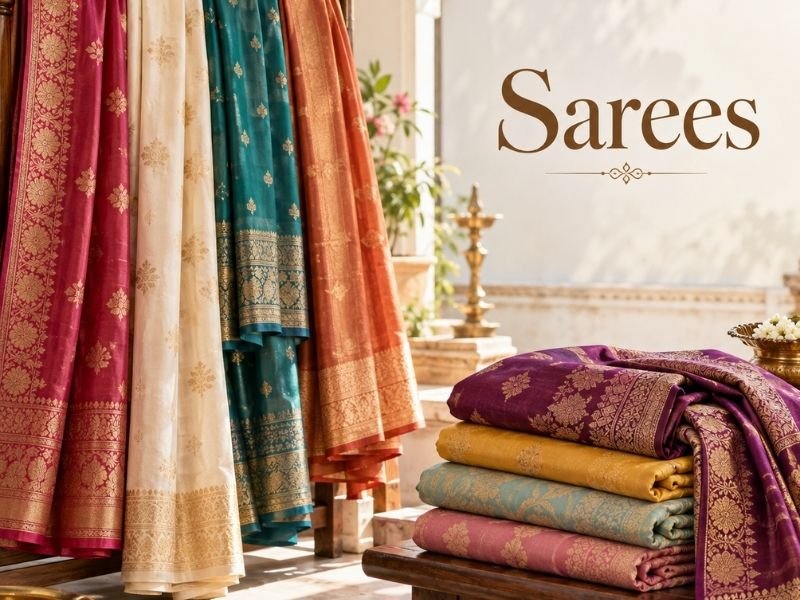
Sarees are among the most versatile and enduring garments in Indian fashion. Worn across generations and regions, a saree can reflect local craftsmanship, traditional weaving techniques, contemporary design preferences and personal style. From everyday cotton sarees to elegant silk blends and intricately patterned handloom varieties, there is a wide range of choices for different occasions and wardrobes.
The beauty of sarees lies in their adaptability. A simple weave can work well for everyday wear, while detailed borders, traditional motifs and refined fabrics can create a more festive appearance. Regional weaving traditions also give sarees distinctive identities through their textures, patterns, borders, colours and craftsmanship.
At SaleManch, exploring the saree category can help shoppers discover different traditional and contemporary styles while learning more about the craftsmanship and textile traditions associated with Indian sarees.
Types, Styles and Varieties of Sarees
Sarees can be understood through several factors, including fabric, weaving technique, regional tradition, patterns, borders and intended occasion.
Cotton Sarees
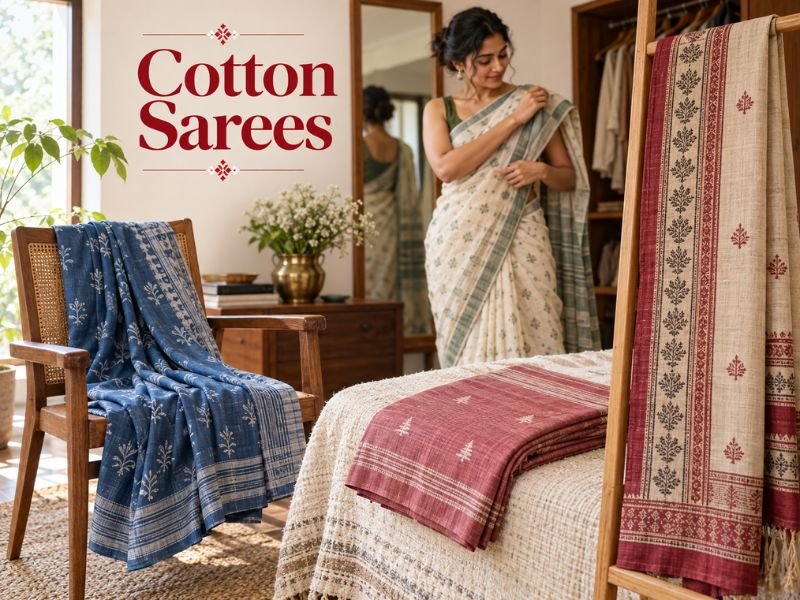
Cotton sarees are valued for their lightweight feel, breathable nature and versatile styling. They are commonly associated with comfortable everyday dressing and can also be suitable for workwear or casual occasions.
Different cotton weaving traditions create variations in texture, drape and appearance. Handloom cotton sarees can also showcase regional craftsmanship through distinctive borders and traditional motifs.
Silk and Silk-Blend Sarees
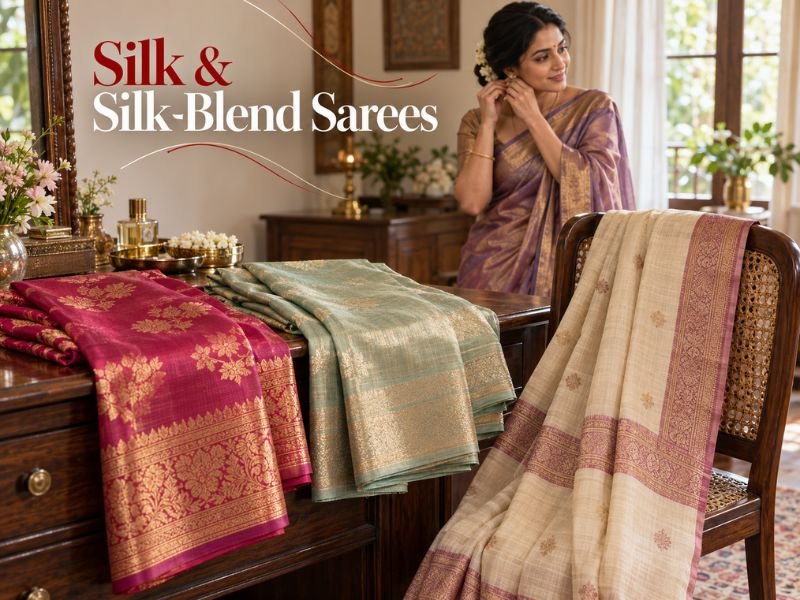
Silk sarees are traditionally associated with celebrations, ceremonies and special occasions. Their appearance can range from subtle and elegant to richly decorative depending on the weave, border and overall design.
Silk-blend and cotton-silk sarees provide another option for shoppers who appreciate the visual appeal of silk while looking for different textures and styling possibilities.
Handloom Sarees
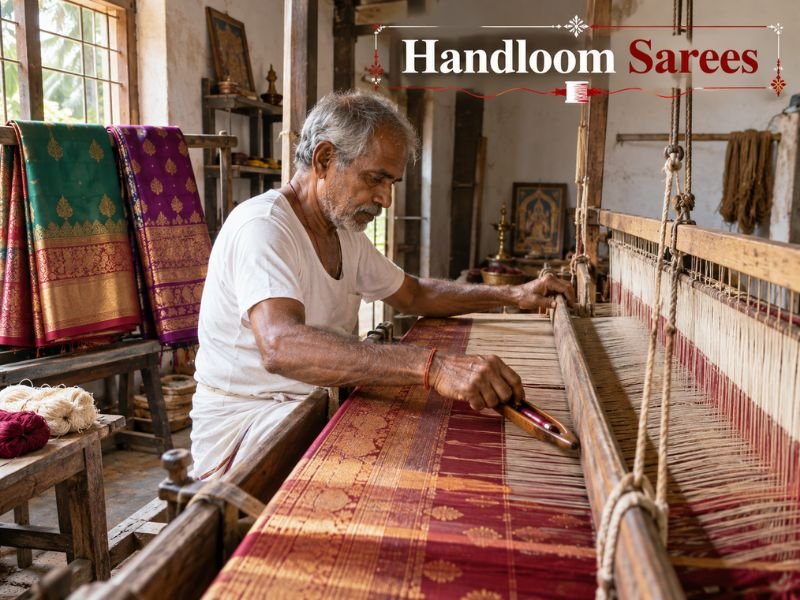
Handloom sarees represent India’s rich textile heritage. They are created using traditional weaving practices and are often recognised for their distinctive textures, regional designs and craftsmanship.
Handloom traditions vary significantly across India, making each weaving region known for its own visual language. When choosing a handloom saree, understanding the craft tradition can make the shopping experience more meaningful.
Printed and Patterned Sarees
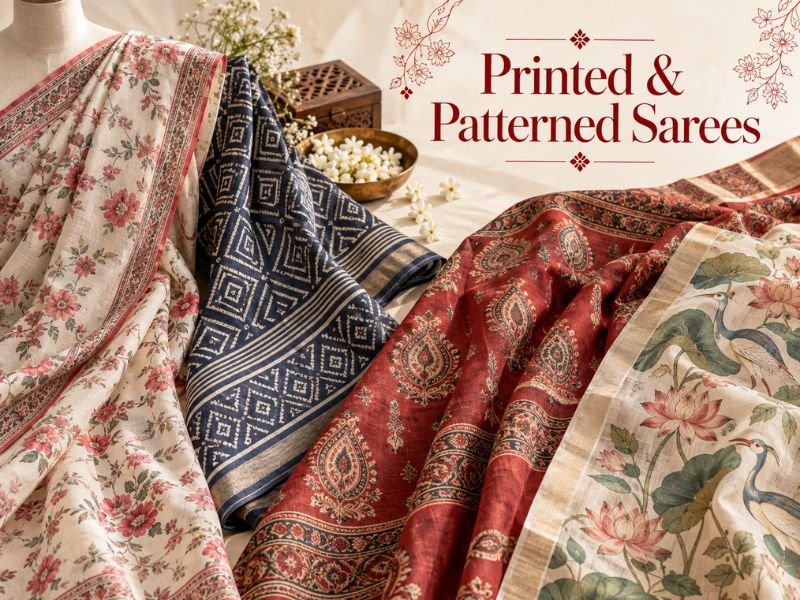
Printed sarees offer a broad range of styling possibilities. Floral patterns, geometric designs, traditional motifs, nature-inspired artwork and decorative borders can create very different looks.
The choice of pattern often depends on personal preference and the type of occasion. Subtle patterns can complement an understated wardrobe, while elaborate designs can create a more striking appearance.
Regional Weaves and Crafts
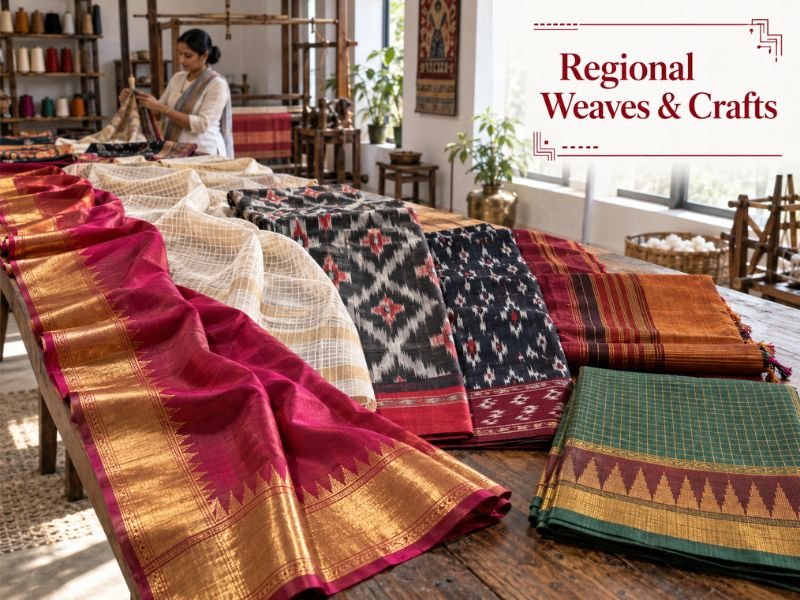
Indian sarees are closely connected to regional textile traditions. Different weaving centres are known for distinctive techniques, motifs, borders and fabric characteristics.
Some well-known craft traditions include Kanchipuram, Kota Doria, Pochampally, Sambalpuri, Ilkal, Narayanpet, Mangalagiri and Kalamkari-related textile traditions. Exploring these crafts allows shoppers to appreciate not only the garment but also the cultural heritage behind it.
How to Choose the Right Saree
Consider the Fabric
Fabric is one of the most important factors when choosing a saree. Think about where and when you intend to wear it. Cotton can be a practical choice for everyday styling, while silk and silk-blend fabrics may suit occasions where a more traditional or dressy appearance is preferred.
The texture and weight of the fabric can also influence how the saree falls and how comfortable it feels during wear.
Think About the Occasion
Consider whether the saree is intended for daily wear, office wear, family gatherings, festive occasions or formal events. The occasion can help narrow down suitable fabrics, colours, patterns and levels of detailing.
A versatile saree with a balanced design can work across multiple settings when styled differently.
Choose Colours Carefully
Colour is an important part of saree styling. Traditional colours such as red, maroon, green, yellow and blue remain popular, while softer shades, earthy tones and contemporary colour combinations offer a more modern appearance.
When selecting a colour, consider your existing blouse collection, jewellery and footwear so that the saree can be styled in multiple ways.
Look at the Border and Pallu
The border and pallu can significantly influence the overall appearance of a saree. Woven borders, zari details, contrast borders, temple-inspired patterns and decorative motifs can create different visual effects.
If you prefer a simple look, a restrained border may be suitable. More elaborate borders can make the saree feel more festive and traditional.
Check the Overall Weave
Before choosing a saree, look at the overall consistency of the fabric, weave and pattern. Understanding whether a saree is handwoven, powerloom or printed can also help you make a more informed choice according to your preferences.
Popular Saree Styles and Choices
The popularity of sarees comes from their enormous variety. Traditional handloom sarees continue to appeal to people who value craftsmanship and regional textile heritage, while cotton sarees remain a practical wardrobe choice.
Kalamkari-inspired designs are appreciated for their artistic motifs and storytelling traditions. Ikat-based sarees are recognised for their distinctive patterns created through resist-dyeing and weaving techniques. Kota Doria is known for its lightweight textile character, while regional cotton and silk traditions provide many different textures and appearances.
Modern saree styling also allows traditional garments to be paired with contemporary blouses, minimalist jewellery, statement accessories or different draping techniques. This makes sarees suitable for both classic and modern wardrobes.
Why Explore Sarees on SaleManch?
SaleManch provides a convenient place to explore fashion categories while discovering different Indian craft traditions. The saree collection brings together a broad category of traditional and contemporary textile styles, allowing shoppers to compare designs according to their preferred fabric, colour, craft and occasion.
For customers interested in Indian textiles, exploring sarees can also be an opportunity to learn about regional craftsmanship. Instead of looking only at appearance, shoppers can consider the story, technique and textile tradition associated with different styles.
Tips for Choosing Sarees
- Decide the primary purpose before selecting a saree.
- Check the fabric and weave carefully.
- Consider the colour with your existing wardrobe.
- Choose patterns according to your personal style.
- Pay attention to the border and pallu.
- Check whether a blouse piece is included when that matters to you.
- For handloom styles, learn about the associated regional craft.
- Consider how easily the saree can be paired with different accessories.
- Choose a design that feels comfortable and practical for the intended occasion.
- Always review the product information and care instructions before making a purchase.
Frequently Asked Questions
What is a saree?
A saree is a traditional Indian garment consisting of a long piece of fabric that is wrapped and draped around the body in different regional and contemporary styles.
Which fabric is best for a saree?
There is no single best fabric. Cotton, silk, silk blends and other textiles serve different purposes. The right choice depends on comfort, occasion, climate and personal preference.
Are cotton sarees suitable for everyday wear?
Yes. Cotton sarees are commonly chosen for everyday and workwear because of their versatile styling and comfortable textile characteristics.
What is a handloom saree?
A handloom saree is produced using a hand-operated loom. Handloom traditions vary by region and can feature distinctive weaving techniques, motifs, textures and borders.
What is the difference between handloom and powerloom sarees?
The primary difference is the type of loom and production process used to create the fabric. Handlooms are operated manually, while powerlooms use mechanical power to operate the weaving process.
How do I choose a saree for a special occasion?
Consider the occasion, fabric, colour, level of detailing, border and overall styling. Silk, silk blends and more decorative weaves can work well when a formal or festive appearance is desired.
How should I choose the colour of a saree?
Choose a colour based on your personal preference, occasion and existing wardrobe. Consider whether the saree can be paired easily with your preferred blouse and accessories.
What makes regional sarees different?
Regional sarees can differ in weaving techniques, textile materials, motifs, borders, patterns and cultural influences. These differences give each craft tradition its distinctive character.
How can I style a saree for a modern look?
A saree can be styled with contemporary blouses, minimal jewellery, modern footwear and different draping techniques. Keeping accessories balanced can create a clean and contemporary appearance.
What should I check before buying a saree online?
Check the fabric, weave type, dimensions, colour description, design details, included components, care information and seller-provided product information. Reviewing these details can help you choose a saree that matches your expectations.
Conclusion
Sarees combine fashion, craftsmanship and India’s diverse textile heritage in one timeless garment. From comfortable cotton styles and artistic prints to regional handloom traditions and elegant silk-based textiles, there are many ways to find a saree that suits your personal style and occasion.
Explore the saree collection on SaleManch to discover different fabrics, colours, weaves and Indian craft traditions, and find styles that complement your wardrobe with a touch of timeless Indian elegance.
Sarees