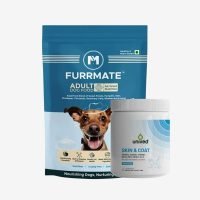
Pet Nutrition: A Practical Guide to Choosing the Right Nutrition for Your Pet

Introduction to Pet Nutrition
Pet nutrition plays an important role in the everyday care of dogs, cats and other companion animals. A suitable diet provides the nutrients pets need to support their normal growth, activity and overall wellbeing. Just like people, pets have different nutritional requirements depending on factors such as age, size, breed, activity level and individual needs.
The Pet Nutrition category covers a broad range of nutritional products designed to complement everyday pet care. Understanding what your pet actually needs can make it easier to choose suitable food, nutritional additions and wellness-oriented products without relying only on marketing descriptions.
A thoughtful approach to pet nutrition starts with the basics: a balanced diet, appropriate portions, clean drinking water and regular veterinary care. Additional nutritional products should be considered according to the pet’s individual circumstances rather than treated as a replacement for a complete diet.
Types, Styles and Important Aspects of Pet Nutrition
Pet nutrition can include several different types of products and nutritional approaches. Understanding these categories helps pet parents make more informed choices.
Everyday Pet Nutrition
Everyday nutrition is the foundation of pet care. Dogs and cats generally need diets that provide appropriate amounts of protein, fats, carbohydrates, vitamins, minerals and other nutrients. The right food should be selected according to the animal’s species and life stage.
Puppies, kittens, adult pets and senior animals can have different nutritional requirements. Portion sizes may also vary according to body size, activity and individual condition.
Nutritional Supplements
Nutritional supplements are products intended to complement an existing diet. They may come in forms such as powders, liquids, capsules, chews or other convenient formats.
Supplements should not automatically be considered necessary for every pet. Their suitability depends on the animal’s diet, age, health status and other factors. If your pet has a medical condition, takes medication or has specific nutritional requirements, it is sensible to consult a veterinarian before introducing a supplement.
Functional and Specialised Nutrition
Some pet nutrition products are designed around particular nutritional purposes or dietary preferences. These may be selected as part of a broader approach to maintaining a pet’s nutritional routine.
However, terms such as “wellness”, “support” or “natural” do not by themselves establish that a product is suitable for every animal. Reading the label carefully is essential.
How to Choose the Right Products in the Pet Nutrition Category
Choosing pet nutrition products should begin with your pet rather than the product description.
Consider Your Pet's Age and Life Stage
A young growing animal has different nutritional needs from an adult or senior pet. Look for products that clearly indicate the intended age group or life stage where applicable.
Check the Ingredients and Nutritional Information
Read the ingredient list and nutritional information before making a decision. Check what the product contains, how it is intended to be used and whether there are specific feeding or serving instructions.
For pets with known food sensitivities or dietary restrictions, checking ingredients becomes especially important.
Consider Species and Size
Nutrition suitable for one type of animal should not automatically be assumed to be suitable for another. Dogs, cats and other animals can have substantially different nutritional requirements.
Size can also influence feeding requirements. Follow the manufacturer’s directions and avoid assuming that a larger serving is necessarily better.
Think About the Purpose
Before selecting a nutritional product, identify why you are considering it. Is it intended as part of everyday nutrition, a dietary supplement or something recommended for a particular nutritional requirement?
Having a clear purpose can help prevent unnecessary additions to your pet’s routine.
Check Feeding Instructions
Always follow the recommended serving or feeding instructions on the packaging. Do not combine several nutritional products without considering their overall contribution to the pet’s diet.
Popular Styles, Varieties and Choices in Pet Nutrition

Pet nutrition products can vary considerably in their format and intended use. Common formats include dry foods, wet foods, treats, powders, liquids, chews and other convenient forms.
Powdered nutritional products can be convenient when they are designed to be incorporated into food according to their instructions. Liquid formats may offer another option for pet parents who prefer an easy-to-administer format. Treat-based nutritional products can also be convenient, but their contribution to the overall daily diet should be considered.
Another important distinction is between complete diets and supplementary products. A complete pet food is intended to provide the nutritional requirements of the animal when fed as directed, while a supplement generally serves a different purpose. Understanding this difference helps pet parents avoid treating a supplement as a substitute for balanced nutrition.
Why Explore Pet Nutrition on SaleManch?
SaleManch provides a convenient place to explore different categories of products, including pet nutrition and general wellness options. For pet parents, having access to nutritional choices in one shopping environment can make it easier to compare product information and identify options that fit their pet’s routine.
The most useful approach is to look beyond attractive packaging and focus on practical information such as ingredients, intended animal, feeding instructions, serving guidance and storage requirements.
SaleManch can be part of your shopping journey, while decisions about specialised diets or nutritional supplementation should be based on your pet’s individual needs and, where appropriate, professional veterinary guidance.
Tips for Choosing Products from the Pet Nutrition Category
- Know your pet’s basic nutritional needs: Consider species, age, size and activity level before choosing a product.
- Read the complete label: Do not rely only on the front of the package. Check ingredients, serving information and directions.
- Avoid unnecessary combinations: Using multiple supplements at the same time may make it difficult to understand what your pet is actually receiving.
- Introduce changes thoughtfully: Sudden changes to a pet’s diet may not always be suitable. Follow product instructions and observe your pet when making dietary changes.
- Store products correctly: Follow the manufacturer’s storage instructions to maintain product quality.
- Keep fresh water available: Good hydration is an important part of everyday pet care.
- Ask a veterinarian when necessary: Veterinary guidance is particularly important for pets with diagnosed conditions, dietary restrictions, allergies, medication use or unusual nutritional requirements.
- Keep the main diet balanced: Supplements should complement appropriate nutrition rather than replace a complete and suitable diet.
Frequently Asked Questions
What is pet nutrition?
Pet nutrition refers to providing animals with the food and nutrients required for their normal growth, daily activity and overall wellbeing. It includes the animal’s regular diet as well as appropriate supplementary nutritional products when needed.
Why is balanced nutrition important for pets?
Balanced nutrition helps provide the range of nutrients an animal needs as part of its everyday diet. Nutritional requirements can vary according to species, age, size, activity and individual circumstances.
Are pet supplements necessary for every animal?
No. Not every pet requires nutritional supplements. Whether a supplement is appropriate depends on the animal’s diet and individual needs. Veterinary advice can be useful when there is uncertainty.
Can puppies and adult pets have the same nutrition?
Their nutritional requirements can differ because growing animals have different needs from mature animals. Pet parents should select food and nutritional products appropriate for the relevant life stage.
How do I choose pet nutrition products?
Start by considering your pet’s species, age, size, activity level and dietary requirements. Then check the ingredients, nutritional information, intended use and feeding instructions.
Can I give my pet human nutritional supplements?
Human nutritional products should not automatically be given to animals. Ingredients and appropriate quantities can differ between humans and pets. Consult a veterinarian before using a human supplement for an animal.
Should I consult a veterinarian before using a pet supplement?
It is particularly advisable when your pet has a medical condition, takes medication, has allergies or follows a specialised diet. A veterinarian can help determine whether a supplement is appropriate.
What forms can pet nutrition products come in?
Depending on the category, nutritional products may be available as powders, liquids, chews, capsules, treats or other formats. The appropriate format depends on the product and the pet’s needs.
How should pet nutrition products be stored?
Storage requirements vary by product. Always follow the instructions on the packaging regarding temperature, moisture, light, refrigeration and keeping the container properly closed.
Can supplements replace a pet's regular food?
Generally, supplements are intended to complement a suitable diet rather than replace complete pet food. A pet’s main diet should remain appropriate for its species and life stage.
Conclusion
Good Pet Nutrition begins with understanding your pet’s individual requirements and maintaining a consistent, balanced dietary routine. From everyday nutrition to supplementary options, thoughtful selection can help pet parents make more informed choices.
Explore the Pet Nutrition category on SaleManch to discover nutritional options and compare the information available for products that may fit your pet’s routine. For specialised nutritional needs, always consider guidance from a qualified veterinarian.