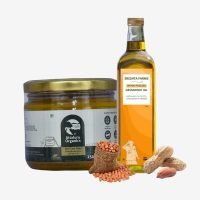
Oil & Ghee: A Practical Guide to Choosing Cooking Oils and Ghee
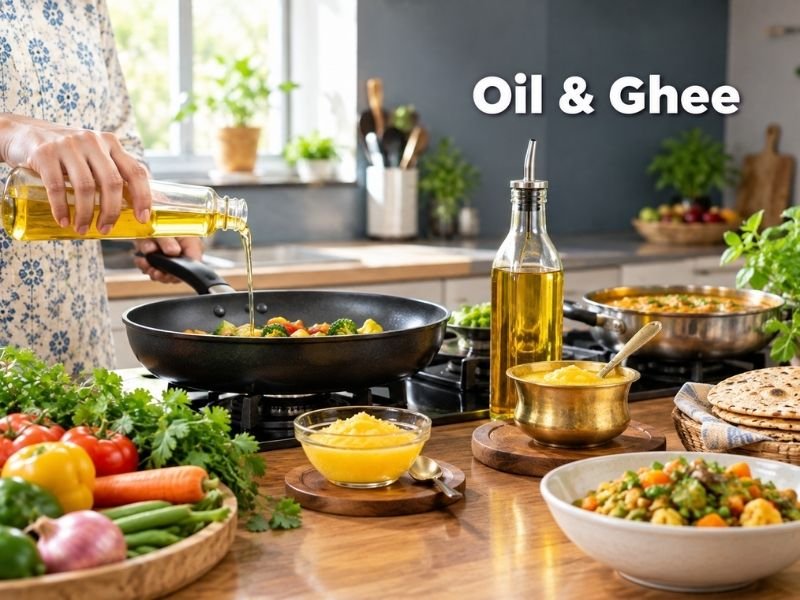
Introduction to Oil & Ghee
Oil & Ghee are everyday kitchen essentials used for cooking, frying, sautéing, baking and traditional food preparation. The choice of cooking fat can influence the flavour, texture and cooking characteristics of meals, which is why many households keep different varieties depending on their recipes and preferences.
Cooking oils can come from seeds, nuts, fruits and other plant sources, while ghee is a clarified dairy fat traditionally used across Indian cuisine. Each variety has its own characteristics, making it useful to understand factors such as source, processing method, intended cooking use, storage and nutritional information before making a choice.
Choosing Oil & Ghee does not have to be complicated. Understanding the basic differences between varieties can help households select products that suit their cooking style and dietary preferences.
Types, Styles and Important Aspects of Oil & Ghee
Plant-Based Cooking Oils
Plant-based oils are extracted from various seeds, nuts or fruits. Common examples include oils derived from groundnuts, sunflower seeds, mustard seeds, sesame seeds, coconut and other plant sources.
Different oils have distinct flavours and cooking characteristics. Some have a relatively neutral taste, while others can add a noticeable flavour to traditional dishes.
Wood-Pressed and Traditional Oils
The method used to extract an oil can affect its characteristics. Wood-pressed or traditionally pressed oils are produced using mechanical extraction methods rather than relying solely on industrial processing.
Consumers interested in traditionally produced oils may wish to check the product description for information about the extraction method, source and processing practices.
Ghee and Clarified Butter
Ghee is a traditional dairy fat made by removing milk solids and water from butter. It has a distinctive aroma and rich taste and is commonly used in Indian cooking, sweets and traditional recipes.
The source and preparation method can vary, so customers should review the product label for information about ingredients, origin and processing.
How to Choose the Right Products in the Oil & Ghee Category
Consider Your Cooking Requirements
Different cooking methods can call for different types of fats. Everyday Indian cooking may involve sautéing, shallow frying, deep frying, roasting, tempering and baking.
Consider how you usually cook before choosing an oil or ghee. A neutral-tasting oil may be useful when you do not want the fat to dominate the dish, while a more aromatic option may complement particular regional recipes.
Check the Source and Processing Method
The source of an oil is an important consideration. Look for clear information about the seed, nut or fruit from which it has been produced.
If traditional processing is important to you, check whether the label clearly states the extraction or pressing method. Avoid relying solely on marketing terms and read the product information carefully.
Review Ingredients and Nutrition Information
Before purchasing, check the ingredient list and nutritional information. This is particularly useful for people following specific dietary preferences.
For ghee, check whether the product contains only the expected dairy ingredient or whether additional ingredients are present. For oils, review the stated source and any relevant product information.
Check Packaging Information
Packaging should provide essential information such as net quantity, manufacturer or packer details, batch information, date markings and storage instructions where applicable.
Clear labelling can make it easier to make an informed purchase.
Popular Styles, Varieties and Choices
Groundnut and Other Seed Oils
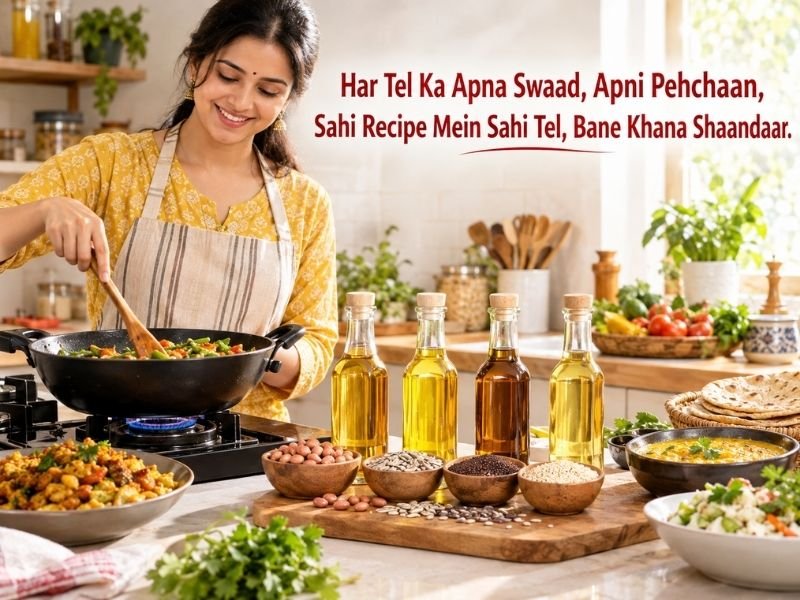
Seed and nut-based oils are widely used in Indian kitchens. Groundnut, sunflower, mustard and sesame oils can each provide different flavours and cooking characteristics.
The right choice often depends on the recipe, regional cooking style and personal preference.
Coconut-Based Oils

Coconut oil has a characteristic aroma and flavour and is used in several Indian regional cuisines. It can be used in cooking as well as selected traditional food preparations.
Its distinctive flavour makes it particularly suitable for recipes where coconut-based notes complement the dish.
Ghee for Traditional Cooking
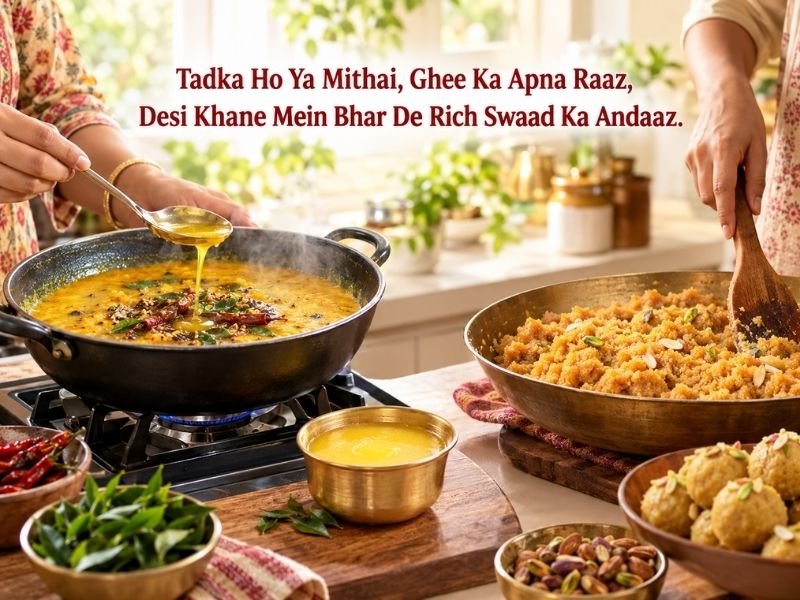
Ghee is commonly associated with Indian cuisine and can be used for tempering, roasting, preparing sweets and adding richness to various dishes.
It can also be selected based on preferences regarding dairy source, preparation method and traditional processing.
Blended and Specialised Options

Some cooking oils are made using combinations of different oil sources. Specialised options may also be formulated for particular culinary purposes.
When considering such products, reading the label is important so you understand the oil sources and intended use.
Why Explore Oil & Ghee on SaleManch?
SaleManch makes it convenient for customers to explore food and wellness categories in one place. The Oil & Ghee category is useful for households looking for cooking essentials while considering different sources, flavours and preparation methods.
Customers can compare available product information and choose according to their cooking habits, dietary preferences and household requirements. Paying attention to labels and product descriptions can make the shopping process more informed.
SaleManch focuses on making category discovery straightforward, allowing customers to explore everyday essentials alongside other lifestyle and wellness categories.
Tips for Choosing Oil & Ghee
- Identify your primary cooking needs: Consider whether you mainly sauté, fry, bake, roast or prepare traditional dishes.
- Check the source: Understand whether the oil comes from seeds, nuts, fruits or another plant source.
- Read the processing information: Look for details about extraction, pressing or clarification methods.
- Consider flavour: Choose a neutral or aromatic option according to the recipes you prepare.
- Read the complete label: Check ingredients, nutritional information and relevant product details.
- Check storage instructions: Oils and ghee should be stored according to the manufacturer’s recommendations.
- Look at packaging integrity: Avoid products with damaged, leaking or compromised packaging.
- Consider household preferences: Dietary choices and cooking traditions can influence the most suitable option.
- Use different varieties appropriately: Keeping more than one cooking fat can be practical when different recipes require different flavours or characteristics.
- Focus on overall dietary balance: Cooking fats are one part of the overall diet, so use them as part of a varied and balanced eating pattern.
Frequently Asked Questions
What is the difference between cooking oil and ghee?
Cooking oil generally refers to fats extracted from plant sources, while ghee is a clarified dairy fat made from butter. They have different flavours, textures and culinary uses.
Which cooking oil is best for everyday use?
There is no single cooking oil that is ideal for every household. The choice can depend on cooking method, flavour preference, dietary considerations and the product’s characteristics.
What is wood-pressed oil?
Wood-pressed oil is produced through mechanical pressing using traditional pressing equipment. Consumers should check the product label for specific information about the extraction process.
Can ghee be used for cooking?
Yes. Ghee is commonly used for several cooking methods, including tempering, sautéing, roasting and preparing traditional dishes.
How should cooking oils be stored?
Most cooking oils should be stored in a cool, dry place away from direct sunlight and according to the manufacturer’s instructions. Always check the label for specific storage guidance.
How should ghee be stored?
Storage requirements can vary by product. Follow the manufacturer’s instructions and keep the container properly closed when not in use.
How can I identify a good-quality cooking oil?
Start by checking the ingredient list, source, processing information, packaging, date markings and nutritional information. Clear and complete labelling helps with informed selection.
Does the type of oil affect the flavour of food?
Yes. Some oils have relatively mild flavours, while others have distinctive aromas that can influence the overall taste of a dish.
Can different oils be used for different recipes?
Yes. Many households choose different oils based on the recipe, cooking technique and desired flavour. This can be particularly useful for preparing a variety of regional dishes.
What should I check before buying Oil & Ghee online?
Check the ingredient list, source, processing information, packaging details, storage instructions, nutritional information and intended culinary use before making your choice.
Conclusion
Oil & Ghee are important kitchen staples, and understanding their sources, processing methods, flavours and intended uses can make everyday cooking choices easier. Whether you prefer traditional cooking fats or plant-based oils, careful label reading and consideration of your household’s cooking habits can help you select suitable options. Explore the Oil & Ghee category on SaleManch to discover cooking essentials suited to your everyday kitchen needs.