
Muscle Recovery: A Practical Guide to Supporting Recovery After Exercise

Introduction to Muscle Recovery
Muscle recovery is an important part of any active lifestyle. Whether you enjoy strength training, running, cycling, sports, yoga or regular fitness sessions, recovery gives the body time to adapt after physical activity.
Exercise places demands on muscles, energy stores and hydration levels. A well-planned recovery routine can therefore be just as important as the workout itself. Recovery is not limited to one particular food or supplement; it can involve adequate rest, balanced nutrition, hydration, appropriate movement and a consistent routine.
The right approach depends on your activity level, training goals, dietary preferences and individual needs. Understanding these factors can help you make more informed choices when exploring the muscle recovery category on SaleManch.
Important Aspects of Muscle Recovery
Muscle recovery is a broad category that covers several areas of post-workout care. Looking at recovery as a combination of habits rather than a single solution can make it easier to build a sustainable routine.
Protein and Everyday Nutrition
Protein is an important nutrient for maintaining and repairing body tissues. People who exercise regularly often pay attention to their overall protein intake as part of their nutrition routine.
Protein-based nutrition products can be available in different forms and may suit different dietary preferences. Plant-based and other protein options can be considered according to individual eating habits and nutritional requirements.
Hydration and Electrolytes
Fluid intake is another important part of post-exercise recovery. Sweating during physical activity can increase fluid requirements, particularly during longer or more intense sessions.
Electrolyte-focused nutrition is commonly considered alongside hydration. The appropriate approach can vary according to exercise duration, environment, sweating and individual requirements.
Rest, Sleep and Relaxation
Nutrition alone does not define muscle recovery. Rest and sleep are fundamental parts of an effective fitness routine.
Adequate sleep allows the body to recover from daily physical demands, while rest days can provide a break from strenuous training. Gentle activities such as walking or mobility exercises may also form part of a recovery routine, depending on individual circumstances.
Everyday Mobility
Recovery can also include simple mobility and stretching practices. Gentle movement may help maintain flexibility and make it easier to transition between training sessions.
A recovery routine should be comfortable and appropriate for your activity level rather than based on unnecessarily demanding exercises.
How to Choose the Right Products for Muscle Recovery
Choosing products within the muscle recovery category requires more than looking at a product name. Consider how a product fits into your overall routine.
Consider Your Fitness Routine
Start by identifying the type of activity you regularly perform. Someone participating in endurance activities may have different nutritional and hydration considerations from someone focused primarily on resistance training.
Your training frequency and duration can also influence what type of recovery support is relevant to you.
Check the Ingredients and Nutrition Information
Always read the product label carefully. Look for information about ingredients, serving guidance, nutritional values and any relevant dietary considerations.
If you follow a vegetarian, vegan or other specific diet, check the ingredient list rather than assuming a product is suitable.
Consider Convenience
Recovery products can come in different formats, including powders, capsules, drinks and topical formats. Convenience matters when building a routine that you can realistically maintain.
A format that fits easily into your daily schedule may be more practical than something that is difficult to prepare or use consistently.
Match Products to Your Personal Needs
Individual nutritional requirements vary. Factors such as age, activity level, diet and existing dietary intake can influence what is appropriate.
For specific nutritional concerns or medical conditions, professional advice from a qualified healthcare or nutrition professional is preferable to relying solely on general product information.
Popular Styles, Varieties and Choices in Muscle Recovery

The muscle recovery category can broadly be understood through several types of recovery support.
Protein-based nutrition is commonly associated with post-workout nutrition and can be available in different dietary formats.
Hydration-focused products are another category, particularly relevant to people who engage in activities involving significant fluid loss.
Electrolyte-based options may be considered as part of a broader hydration routine.
Recovery nutrition blends can combine different nutritional components and are designed for people looking for convenient options within their fitness routines.
Wellness and botanical options are also found within the broader recovery space. These should be evaluated carefully based on their ingredients, intended use and suitability for the individual.
Why Explore Muscle Recovery on SaleManch?
SaleManch provides a convenient place to explore different wellness and sports-nutrition categories while considering your own fitness routine and preferences.
The muscle recovery category is useful for customers who want to understand different approaches to post-exercise nutrition and everyday recovery. Instead of focusing on a single type of solution, shoppers can compare formats, ingredients and intended uses to identify options that fit their lifestyle.
A thoughtful approach to recovery can help you create a routine that combines sensible nutrition, hydration, rest and regular physical activity.
Tips for Choosing Products from the Muscle Recovery Category
- Read the complete label: Check ingredients, nutritional information and serving instructions before making a choice.
- Understand your routine: Consider whether your activities are strength-based, endurance-focused, recreational or a combination.
- Prioritise balanced nutrition: Recovery products should complement an overall balanced diet rather than replace varied everyday meals.
- Stay hydrated: Keep regular fluid intake in mind, especially around physically demanding activities.
- Consider dietary preferences: Check whether the ingredients match your vegetarian, vegan or other dietary requirements.
- Avoid unnecessary assumptions: A product marketed for recovery is not automatically suitable for every person or every workout.
- Follow usage directions: Use products according to the manufacturer’s instructions rather than assuming more is better.
- Think about consistency: Choose options that fit comfortably into your routine and are practical for regular use.
- Consider professional guidance: If you have specific dietary requirements, take medication or have a health concern, consult an appropriate healthcare professional before introducing supplements.
- Remember the basics: Sleep, rest, hydration, balanced meals and sensible training remain important parts of recovery.
Frequently Asked Questions
What is muscle recovery?
Muscle recovery refers to the period after physical activity when the body rests and adapts to the demands placed on it during exercise.
Why is recovery important after exercise?
Recovery gives the body time to rest after physical activity and supports the overall process of adapting to regular exercise.
What should I eat after a workout?
A balanced post-workout meal can include protein, carbohydrates, fluids and other nutrients according to your individual dietary needs.
Is protein important for muscle recovery?
Protein is an important nutrient for body tissues and is commonly included in nutrition routines for people who exercise regularly.
Should I drink more water after exercising?
Fluid needs vary between individuals and activities. Replacing fluids lost through normal daily activity and exercise is an important part of staying hydrated.
What are electrolytes?
Electrolytes are minerals involved in several normal bodily functions. They are commonly discussed in relation to hydration, particularly during activities that involve sweating.
Can I recover without supplements?
Yes. Muscle recovery involves several factors, including balanced nutrition, hydration, rest, sleep and appropriate exercise. Supplements are not automatically necessary for everyone.
When should recovery nutrition be taken?
Timing depends on the type of product and your overall diet and exercise routine. Always follow the manufacturer’s usage instructions.
Are muscle recovery products suitable for everyone?
Not necessarily. Individual dietary needs and health circumstances differ, so product suitability should be considered carefully.
How can I build a better muscle recovery routine?
Focus on the fundamentals first: consistent sleep, adequate rest, balanced meals, hydration and sensible training. Additional nutrition products can be considered based on individual needs.
Conclusion
Effective muscle recovery is about building sustainable habits rather than depending on one particular product. Balanced nutrition, hydration, rest, sleep and appropriate physical activity all have an important place in a well-rounded fitness routine. Explore the muscle recovery category on SaleManch to learn about different options and choose products that fit your individual lifestyle and preferences.
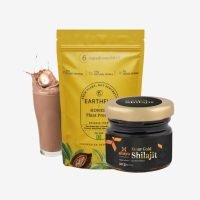
Muscle Recovery