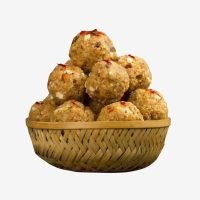
Indian Sweets: Explore Traditional Flavours and Timeless Indian Mithai
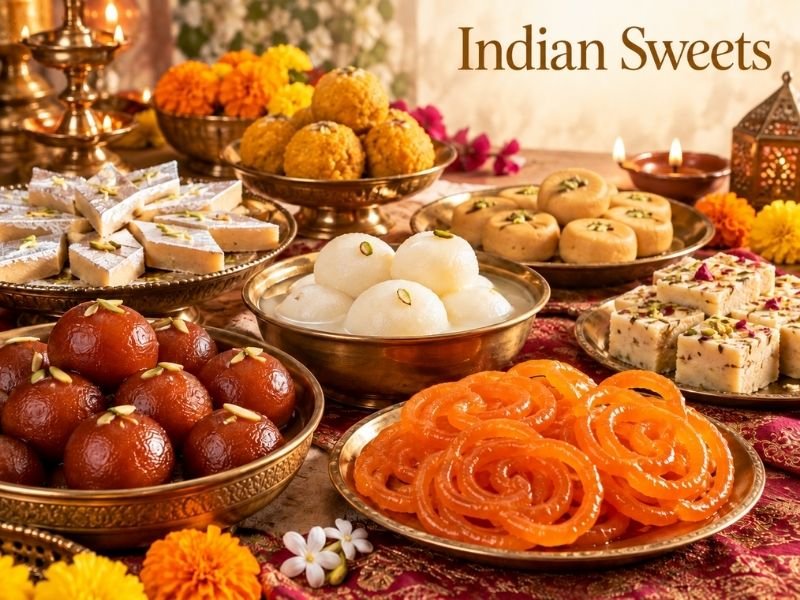
Introduction to Indian Sweets
Indian Sweets are an important part of the country’s food culture and are closely connected with celebrations, festivals, family gatherings and everyday moments of indulgence. From soft and rich mithai to traditional laddus and regional delicacies, Indian sweets reflect the diverse culinary traditions found across different parts of the country.
What makes Indian sweets special is the wide variety of ingredients, preparation methods, textures and flavours used throughout India. Depending on the region and recipe, sweets may be prepared with grains, pulses, nuts, seeds, milk-based ingredients, natural sweeteners, spices or other traditional ingredients.
Today, Indian Sweets can be enjoyed not only during festivals but also as thoughtful gifts, after-meal treats and convenient snacks for special occasions.
Types, Styles and Important Aspects of Indian Sweets
Indian sweets come in many forms, and each variety has its own traditional character. Understanding the basic types can help you explore the category according to your taste and occasion.
Traditional Laddus
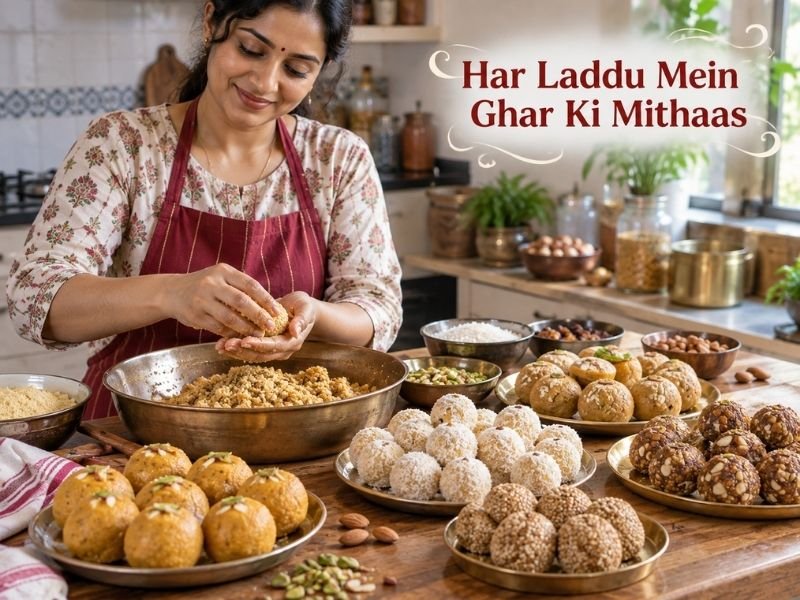
Laddu is one of the most recognisable forms of Indian mithai. These round sweets are traditionally prepared using ingredients such as flour, grains, pulses, nuts, seeds or other regional ingredients.
Different recipes create different textures, from soft and crumbly to slightly firm. Laddus can be associated with festivals, religious occasions, family celebrations and traditional gifting.
Grain and Seed-Based Sweets
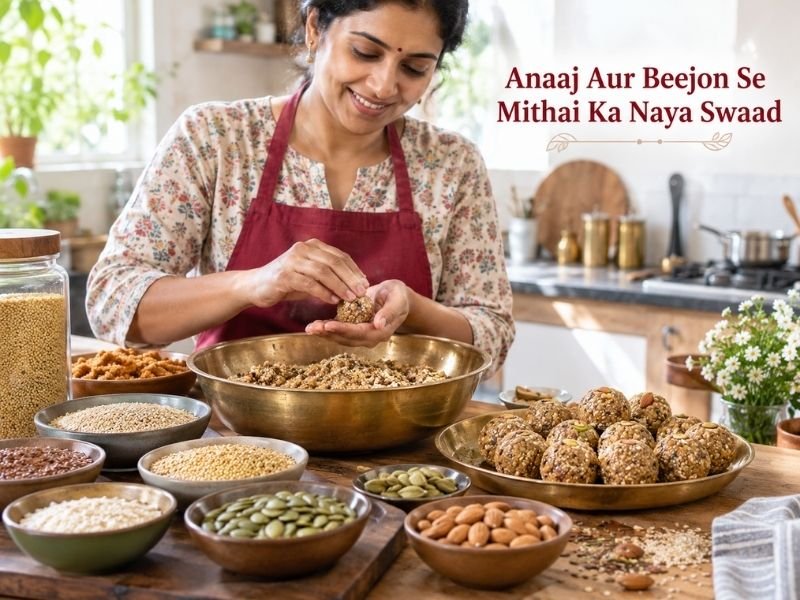
Indian culinary traditions also include sweets prepared with grains and seeds. Ingredients such as millets, sesame, flax seeds and other traditional foods can be incorporated into sweet preparations.
These varieties appeal to people who enjoy earthy flavours and traditional recipes while looking for alternatives to more conventional mithai.
Nut and Dry Fruit-Based Varieties
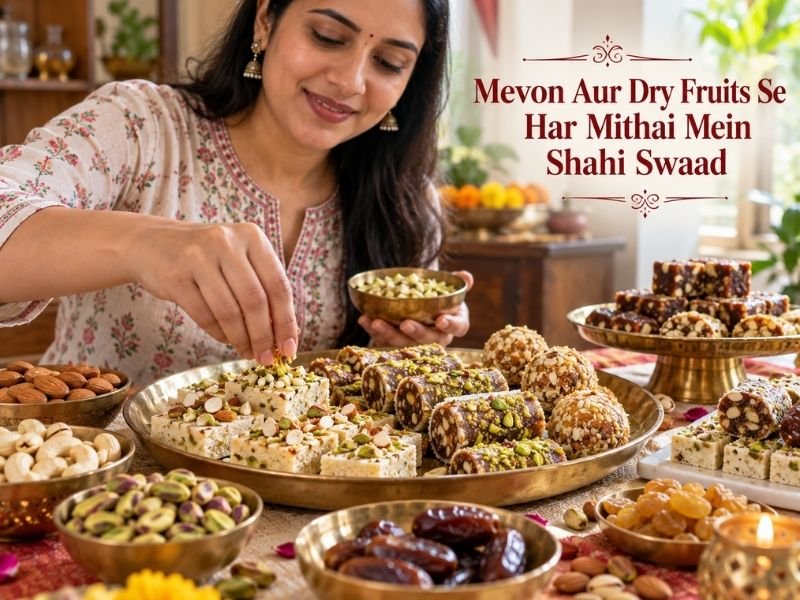
Nuts and dried fruits are widely used in Indian sweets for their distinctive flavour and texture. Depending on the recipe, almonds, cashews, pistachios, dates, raisins and other ingredients may be incorporated into mithai.
These sweets are often associated with festive occasions and gifting because of their rich taste and celebratory appeal.
How to Choose the Right Indian Sweets
Selecting Indian Sweets is largely a matter of personal taste, occasion and ingredient preference. A few simple considerations can make the choice easier.
Consider the Occasion
The occasion can influence the type of sweet you choose. Festive gatherings may call for traditional mithai, while a family meal may be suited to smaller or simpler sweet treats.
For gifting, consider varieties that are easy to serve and suitable for the recipient’s preferences.
Check the Ingredients
Always review the ingredient information before purchasing packaged sweets. This is particularly important if you have dietary preferences, allergies or sensitivities.
Look for clear information about the primary ingredients, sweeteners and other components used in the preparation.
Think About Texture and Flavour
Indian sweets range from soft and creamy to chewy, crumbly, dense or crunchy. Some have mild flavours, while others have stronger notes from spices, nuts or roasted ingredients.
Choosing according to your preferred texture and flavour can make the experience more enjoyable.
Consider Traditional Preferences
Regional food traditions can also influence your choice. If you enjoy exploring Indian cuisine, trying sweets associated with different culinary traditions can be an interesting way to discover new flavours.
Popular Styles, Varieties and Choices
The diversity of Indian Sweets is one of their greatest attractions. Different regions have developed distinctive recipes based on locally available ingredients and culinary traditions.
Some sweets are grain-based, while others rely on milk, nuts, seeds, fruits or pulses. Traditional sweeteners such as jaggery may be used in some recipes, while other preparations use sugar.
Laddus, barfi, peda, halwa, jalebi, rasgulla, rasmalai and many other forms of mithai represent only a portion of India’s extensive sweet-making traditions. Regional variations can differ considerably in taste, preparation and texture even when they share similar ingredients.
Indian sweets can also be enjoyed in different settings. They may be served after meals, offered to guests, exchanged during festivals or presented as gifts during important occasions.
Why Explore Indian Sweets on SaleManch?
SaleManch makes it convenient for customers to explore different food and lifestyle categories in one online shopping destination. The Indian Sweets category brings attention to traditional flavours that have long been part of Indian food culture.
For customers interested in regional foods and traditional recipes, exploring Indian Sweets can be a simple way to discover different combinations of ingredients, textures and preparation styles.
SaleManch also provides an online shopping experience where customers can review available product information before making their selection. This can be useful when choosing sweets for personal enjoyment, family occasions or gifting.
Tips for Choosing Indian Sweets
- Read the ingredient information: Check what ingredients and sweeteners are used.
- Choose according to the occasion: Consider whether the sweets are intended for personal use, guests, celebrations or gifting.
- Think about flavour preferences: Decide whether you prefer mild, nutty, fruity, grain-based or richer flavours.
- Consider texture: Choose between soft, chewy, crumbly, dense or other textures according to preference.
- Explore regional traditions: Trying different regional styles can introduce you to new Indian flavours.
- Check dietary requirements: If you have allergies or specific dietary restrictions, carefully review the available information.
- Pay attention to storage guidance: Follow the storage instructions provided with packaged sweets.
- Buy an appropriate quantity: Consider the number of people and occasion when deciding how much to purchase.
- Serve thoughtfully: Many Indian sweets can be presented as part of festive meals, family gatherings or traditional celebrations.
Frequently Asked Questions
Which Indian sweets are best for festivals and celebrations?
Popular choices include Gulab Jamun, Rasgulla, Kaju Katli, Motichoor Laddu, Besan Laddu, Jalebi, Soan Papdi and Barfi. The best sweet depends on the occasion, region and personal preference. For festivals such as Diwali, sweets like Kaju Katli, Laddu and different varieties of Barfi are especially popular.
Why are Indian Sweets important in Indian culture?
Indian Sweets have a strong connection with festivals, celebrations, religious occasions, family gatherings and traditional gifting.
How should Indian sweets be stored to keep them fresh?
Storage depends on the type of sweet. Milk-based sweets such as Rasgulla, Rasmalai and certain Barfi varieties generally need refrigeration, while dry sweets such as Kaju Katli, Besan Laddu and Soan Papdi can usually be kept in an airtight container in a cool, dry place. Always follow the storage instructions provided by the sweet maker or manufacturer.
What are some common types of Indian Sweets?
Common types include laddus, barfi, peda, halwa, jalebi and several milk-based, grain-based, nut-based and regional sweet preparations.
Are Indian Sweets only eaten during festivals?
No. Although sweets are especially popular during festivals and celebrations, they can also be enjoyed as desserts, snacks, gifts or treats during everyday occasions.
What ingredients are commonly used in Indian Sweets?
Ingredients vary considerably. Common choices include grains, flour, milk-based ingredients, nuts, seeds, dried fruits, fruits, pulses, sugar and traditional sweeteners.
How do I choose Indian Sweets for gifting?
Consider the recipient’s flavour preferences, dietary requirements, the occasion and the type of sweet that is convenient to serve and share.
How should packaged Indian Sweets be stored?
Storage requirements vary according to the type of sweet. Always follow the storage instructions provided on the packaging.
Can Indian Sweets vary by region?
Yes. India’s different regions have their own culinary traditions, ingredients and preparation methods, resulting in a wide variety of distinctive sweets.
What should I check before buying Indian Sweets?
Check the ingredient information, dietary suitability, storage instructions, flavour and texture preferences, and any other information provided for the particular sweet.
Conclusion
Indian Sweets bring together India’s diverse culinary traditions, regional flavours and festive culture in a delicious and memorable way. Whether you enjoy traditional mithai, grain-based preparations, nut-rich varieties or regional specialities, there is a wide world of flavours to explore.
Explore the Indian Sweets category on SaleManch and discover traditional sweet choices suited to celebrations, gifting, family occasions and everyday enjoyment.