Foodgrains: A Practical Guide to Everyday Grains and Healthy Meal Choices
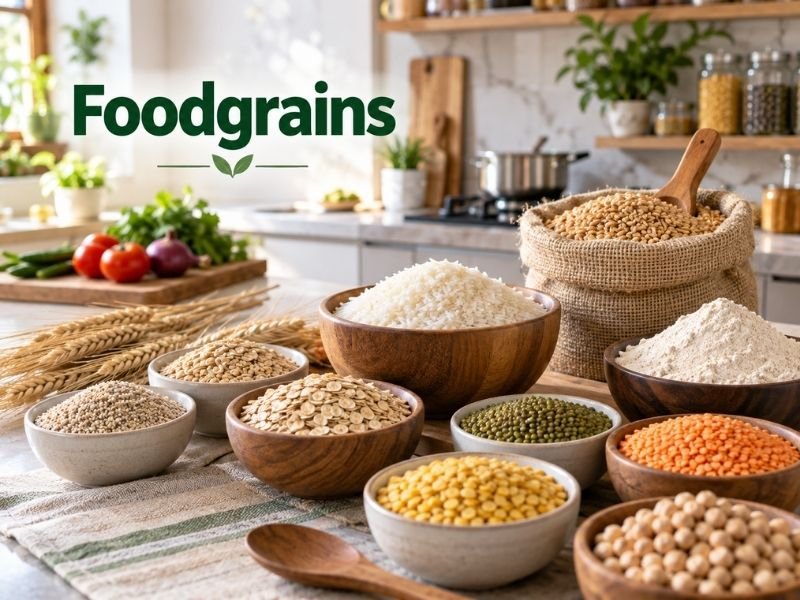
Introduction to Foodgrains
Foodgrains are an important part of everyday meals and form the foundation of many traditional and modern diets. From rice and wheat to millets, oats and other cereal grains, these foods are used in countless recipes across Indian households. They can be prepared as staple meals, breakfast dishes, snacks, porridges and other convenient foods.
Choosing the right foodgrains is not only about taste. Factors such as grain variety, cooking method, texture, convenience, storage and individual dietary preferences can all influence the right choice.
At SaleManch, the Foodgrains category provides a convenient place to explore grain-based food options for different household needs and cooking preferences.
Types, Styles and Important Aspects of Foodgrains
Foodgrains come in many varieties, each with its own culinary characteristics. Understanding the broad categories can make it easier to select suitable options.
Rice and Rice-Based Grains

Rice is one of the most widely consumed grains in India and is used in dishes ranging from everyday meals to regional specialities. Different varieties can differ in grain size, texture, aroma and cooking characteristics.
Rice-based grain combinations can also provide variety to regular meals while allowing households to experiment with different flavours and textures.
Wheat and Other Cereal Grains
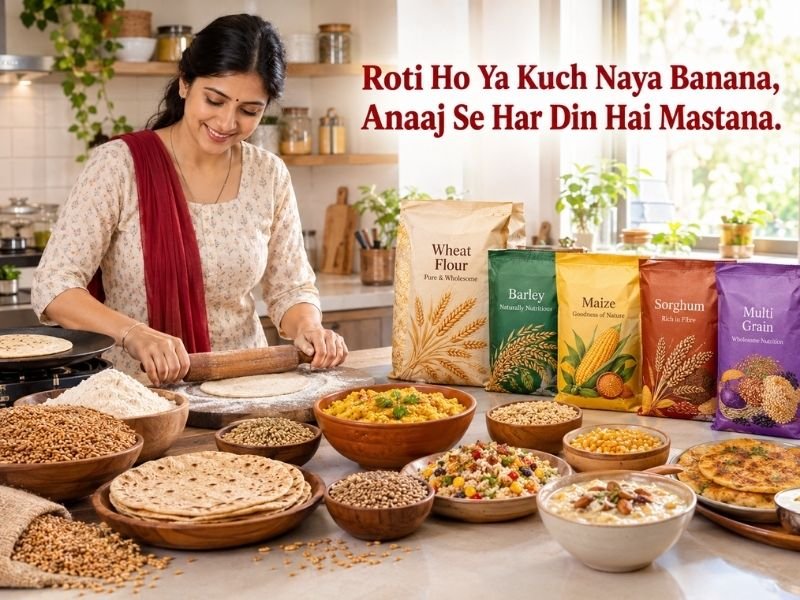
Wheat is another major staple grain, commonly used for breads, rotis and other preparations. Other cereals can be incorporated into meals in different forms depending on culinary traditions and personal preferences.
Millets and Alternative Grains

Millets have become increasingly popular as people explore greater variety in their everyday grain choices. Common millet varieties include foxtail, little, pearl, finger and sorghum-based grains.
Their versatility makes them suitable for dishes such as porridges, savoury preparations, steamed foods and other grain-based recipes.
Oats and Grain-Based Breakfast Choices

Oats are commonly used for breakfast and can be prepared in both sweet and savoury ways. Different forms, such as rolled or minimally processed varieties, can provide different textures and preparation experiences.
How to Choose the Right Foodgrains
Selecting foodgrains becomes easier when you consider how you actually intend to use them.
Consider Your Cooking Purpose
Start by deciding what you want to prepare. A grain suitable for everyday rice dishes may not be the same choice you would make for porridge, breakfast recipes, steamed preparations or baked foods.
Choosing according to the intended recipe can improve both cooking convenience and the final texture.
Check the Grain Variety
Different grains offer different culinary characteristics. Consider factors such as grain size, texture, flavour and how familiar you are with preparing that particular variety.
If you are trying an unfamiliar grain, checking the recommended cooking instructions can help you understand preparation requirements.
Read the Ingredient and Product Information
When purchasing packaged foodgrains, carefully read the label. Look at the ingredient list, net quantity, storage instructions, preparation guidance and relevant product information.
This is particularly useful when selecting grain blends or products containing more than one cereal or grain.
Consider Your Household Preferences
The best foodgrain is one that fits naturally into your household’s meals. Consider taste preferences, cooking habits, family requirements and how frequently you expect to use the grain.
There is no need to choose only one variety. Keeping different grains in rotation can make everyday meals more interesting.
Popular Styles, Varieties and Choices Related to Foodgrains
Foodgrains can be selected in several forms depending on preparation and convenience.
Whole or minimally processed grains are often chosen by people who prefer traditional cooking methods. Grain mixes combine different varieties for greater diversity in meals.
Millet-based choices are useful for experimenting with regional and contemporary recipes. Oats and other breakfast grains can be prepared with milk, water, vegetables, spices, fruits or other ingredients according to personal taste.
Grains can also be available in forms designed for specific cooking applications, making them suitable for porridges, breakfast preparations, savoury dishes and everyday meals.
The important point is to select a form that matches your cooking routine rather than choosing solely based on popularity.
Why Explore Foodgrains on SaleManch?
Foodgrains are everyday essentials, but finding suitable varieties can sometimes require comparing different types and formats. SaleManch makes it easier to explore this category online from one convenient destination.
Whether you are looking for familiar staples or want to introduce more variety into your kitchen, browsing the Foodgrains category can help you discover options suited to different cooking styles.
SaleManch focuses on providing customers with an organised shopping experience, making it simpler to explore categories and understand the products available within them.
Tips for Choosing Foodgrains
- Check packaging carefully: Make sure the packaging is intact and properly sealed.
- Read storage instructions: Follow the manufacturer’s recommendations for keeping grains fresh.
- Look at the ingredient list: This is especially important for blended or flavoured grain products.
- Choose an appropriate quantity: Select a quantity that matches your household’s consumption and storage space.
- Consider cooking time: Some grains require soaking or longer cooking, while others are designed for quicker preparation.
- Experiment gradually: If you are new to a grain, begin by incorporating it into familiar recipes.
- Store correctly: Keep grains in a clean, dry and suitable storage environment as directed on the packaging.
- Compare varieties: Look beyond the name and consider texture, preparation method and intended use.
- Follow preparation instructions: Proper cooking can significantly affect the texture and overall eating experience.
- Prioritise your preferences: Dietary choices and meal preferences vary from household to household, so choose accordingly.
Frequently Asked Questions
What are foodgrains?
Foodgrains are edible cereal and grain-based foods commonly used as staple ingredients in meals. They include familiar grains as well as alternative varieties such as millets and oats.
Which foodgrains are commonly used in India?
Rice and wheat are among the most commonly consumed staples. Millets, oats and other grains are also used in many Indian households and recipes.
Are millets considered foodgrains?
Yes. Millets are cereal grains and are widely used as foodgrains in traditional and contemporary cooking.
How should foodgrains be stored?
Storage depends on the specific product and packaging instructions. Generally, grains should be kept in a clean, dry environment and protected from moisture.
Can different grains be mixed together?
Yes, grain combinations and blends can be used in many recipes. However, preparation requirements can vary depending on the grains being combined.
Are foodgrains suitable for breakfast?
Many grains can be used for breakfast preparations, including porridges, savoury dishes and other grain-based recipes.
How do I choose a grain for a particular recipe?
Consider the recipe’s required texture, cooking method and preparation time. Choosing a grain that suits the intended dish generally makes preparation easier.
Should I check the ingredient list before buying packaged grains?
Yes. Reading the ingredient list helps you understand whether the product contains a single grain or a combination of ingredients.
How can I introduce new grains into my meals?
Start by replacing or combining them with familiar ingredients in recipes you already enjoy. This allows you to explore new textures and flavours gradually.
Where can I explore foodgrain options online?
You can explore the Foodgrains category on SaleManch to discover grain-based options for different cooking preferences and everyday meal requirements.
Conclusion
Foodgrains are a simple but essential part of everyday cooking, offering plenty of variety in terms of taste, texture, preparation and meal options. From familiar staples to alternative grains and convenient breakfast choices, selecting the right grain can bring more flexibility to your kitchen.
Explore the Foodgrains category on SaleManch and discover options that fit naturally into your everyday cooking routine.