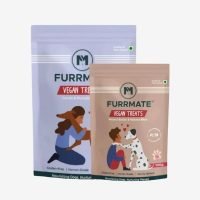
Dog Superfood: A Practical Guide to Better Everyday Nutrition for Dogs

Introduction to Dog Superfood
Choosing suitable food for a dog is an important part of responsible pet care. Dog Superfood generally refers to nutrient-focused foods or food additions that are intended to complement a dog’s everyday diet. These may be made with carefully selected ingredients and can come in different forms, depending on the dog’s dietary needs and feeding routine.
For pet parents, understanding what makes a food suitable is more useful than simply choosing something because it is labelled as a “superfood”. Dogs have different nutritional requirements based on factors such as age, size, activity level, breed characteristics and individual health needs. A thoughtful approach can help you select food that fits naturally into your dog’s routine.
Types, Styles and Important Aspects of Dog Superfood
Dog superfood is not limited to one particular type of food. Different formats and ingredient combinations can suit different feeding preferences.
Complete and Balanced Dog Food
Some dog foods are designed to provide a substantial part of a dog’s regular nutritional requirements. When choosing a complete food, pet parents should look at the nutritional information and feeding guidance provided on the packaging.
A complete diet should be appropriate for the dog’s life stage and should be fed according to the manufacturer’s recommendations.
Plant-Based and Alternative Diet Options
Plant-based dog food is another category that some pet parents may consider. However, dogs require specific nutrients in appropriate amounts, so a plant-based diet should not be selected simply because individual ingredients appear healthy.
Always check the nutritional adequacy of the food and consider professional veterinary advice when making significant dietary changes.
Treats and Functional Food Additions
Some dog foods are intended as treats or supplementary additions rather than complete meals. These can be useful for training, enrichment or occasional variety.
Treats should generally remain a smaller part of a dog’s overall diet. Feeding too many extras can affect the nutritional balance of the daily routine.
Ingredient-Focused Choices
Pet parents may also look for foods featuring particular ingredients such as vegetables, grains, seeds or plant-based sources. The presence of a familiar ingredient alone, however, does not determine whether a food is suitable for every dog.
The complete nutritional profile matters more than one individual ingredient.
How to Choose the Right Products in This Category
Selecting Dog Superfood should begin with your dog’s individual requirements rather than marketing claims.
Consider Your Dog's Age and Life Stage
Puppies, adult dogs and senior dogs can have different nutritional requirements. Choose food that is clearly intended for the appropriate life stage whenever possible.
Check the Nutritional Information
Read the label carefully before introducing a new food. Look for information about ingredients, guaranteed analysis, feeding instructions, storage requirements and the intended use of the product.
Look Beyond Marketing Terms
Words such as “natural”, “premium” or “superfood” can sound appealing, but they should not replace checking the actual nutritional information. A suitable food should fit your dog’s overall diet.
Consider Allergies and Food Sensitivities
Some dogs may have known allergies or sensitivities to particular ingredients. If your dog has previously reacted to a food, carefully check ingredient lists before making a selection.
For dogs with diagnosed dietary conditions, discuss suitable food choices with a veterinarian.
Think About Your Dog's Routine
The right food should also be practical for your dog’s feeding schedule. Consider whether you are looking for a regular meal, an occasional treat or a supplementary food.
Popular Styles, Varieties and Choices

Dog Superfood can cover a broad range of feeding preferences. Some pet parents prefer conventional complete meals, while others may look for plant-based alternatives or foods incorporating particular plant ingredients.
Texture and format can also influence a dog’s acceptance. Some dogs prefer softer food, while others may respond better to dry or bite-sized formats. Individual preferences vary considerably, so introducing a new food gradually can be a sensible approach.
Another important consideration is dietary consistency. Constantly changing a dog’s food may make it harder to identify which ingredient suits or disagrees with the animal. When introducing something new, following the product’s feeding guidance can help maintain a structured routine.
Why Explore This Category on SaleManch?
SaleManch brings different shopping categories together in one convenient online destination, making it easier for customers to explore products according to their requirements.
The Dog Superfood category is useful for pet parents who want to compare different types of dog food and understand their available choices before deciding what fits their dog’s routine.
Rather than choosing solely on appearance or promotional language, customers can use product information to consider ingredients, intended use, feeding guidance and other relevant details.
SaleManch also provides a broader shopping experience where customers can explore multiple categories from the same platform.
Tips for Choosing Products from This Category
- Read the complete label: Check ingredients, nutritional information and feeding instructions before buying.
- Match the food to your dog’s life stage: Puppies, adults and senior dogs may require different nutritional profiles.
- Consider portion guidance: Follow the recommended serving information rather than assuming that more food is better.
- Introduce new food gradually: Sudden dietary changes may not suit every dog.
- Check ingredients carefully: Pay attention to ingredients your dog is known to avoid.
- Separate meals from treats: Supplementary foods and treats should fit appropriately into the overall daily diet.
- Store food correctly: Follow the storage instructions on the packaging to help maintain product quality.
- Keep your dog’s preferences in mind: Taste and texture can influence whether a dog accepts a new food.
- Avoid relying only on the word “superfood”: Look at the complete nutritional profile and intended purpose.
- Seek veterinary guidance when necessary: Dogs with specific health or dietary requirements may need individually tailored nutrition.
Frequently Asked Questions
What is Dog Superfood?
Dog Superfood is a general term used for nutrient-focused dog foods or food additions. It can refer to different types of complete foods, supplementary foods or treats depending on the product.
Is Dog Superfood suitable for every dog?
Not necessarily. Dogs have different nutritional requirements depending on age, size, activity level and individual circumstances. A suitable choice should match the dog’s specific needs.
Can Dog Superfood replace regular dog food?
It depends on the product. Some foods are formulated as complete meals, while others are intended only as treats or supplementary additions. Always check the product’s intended use.
Is plant-based food suitable for dogs?
Some dogs can consume nutritionally complete plant-based diets, but nutritional adequacy is important. A plant-based diet should provide the nutrients a dog requires rather than simply containing plant ingredients.
How should I introduce a new dog food?
A gradual transition is generally preferable to an abrupt change. Follow the feeding instructions provided with the food and monitor how your dog responds.
Can puppies eat the same food as adult dogs?
Not always. Puppies have different nutritional requirements during growth, so food specifically formulated for puppies may be more appropriate.
How do I check whether dog food is suitable?
Check the intended life stage, ingredient list, nutritional information, feeding instructions and any relevant dietary information on the packaging.
Are dog treats considered complete nutrition?
Generally, treats are intended as supplementary foods rather than replacements for a complete daily diet. Check the product information for its intended purpose.
How should Dog Superfood be stored?
Storage requirements vary. Follow the instructions printed on the packaging, particularly after opening, to help preserve the food’s quality.
Should I consult a veterinarian before changing my dog's diet?
If your dog has a medical condition, known food sensitivity, unusual dietary requirement or persistent digestive concerns, consulting a veterinarian before making major dietary changes is a sensible choice.
Conclusion
Choosing Dog Superfood is ultimately about understanding your dog’s nutritional needs and selecting food that fits its age, lifestyle, dietary requirements and regular feeding routine. By reading labels carefully and looking beyond marketing terms, pet parents can make more informed decisions. Explore the Dog Superfood category on SaleManch to discover options that can fit different pet-care preferences and feeding routines.