
Dental Issues: Understanding Everyday Oral Care and Dental Hygiene
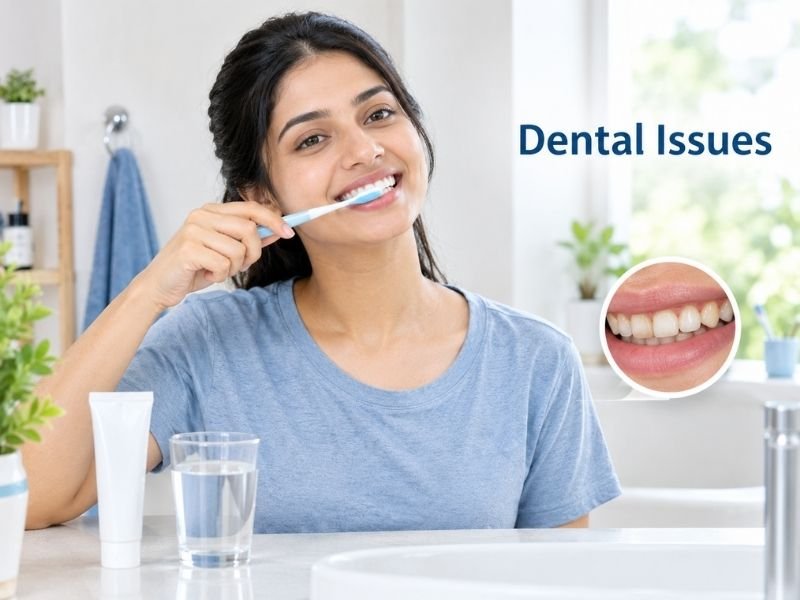
Introduction to Dental Issues
Dental Issues can affect people of all ages and may range from everyday concerns such as plaque buildup and bad breath to problems involving the teeth, gums and overall oral hygiene. Good dental care begins with consistent daily habits that help maintain a clean and comfortable mouth.
Oral care is not only about having clean-looking teeth. Regular brushing, appropriate oral hygiene products, healthy habits and professional dental check-ups all play an important role in maintaining everyday dental hygiene. Paying attention to changes in the mouth can also help people recognise when professional advice may be appropriate.
A thoughtful oral care routine can be simple and practical. The key is choosing suitable products and using them correctly as part of consistent dental hygiene.
Types and Important Aspects of Dental Issues
Dental concerns can involve different parts of the mouth, including teeth, gums and the surrounding oral tissues. Understanding the common areas of concern can make everyday oral care easier to manage.
Plaque and Tooth Cleanliness
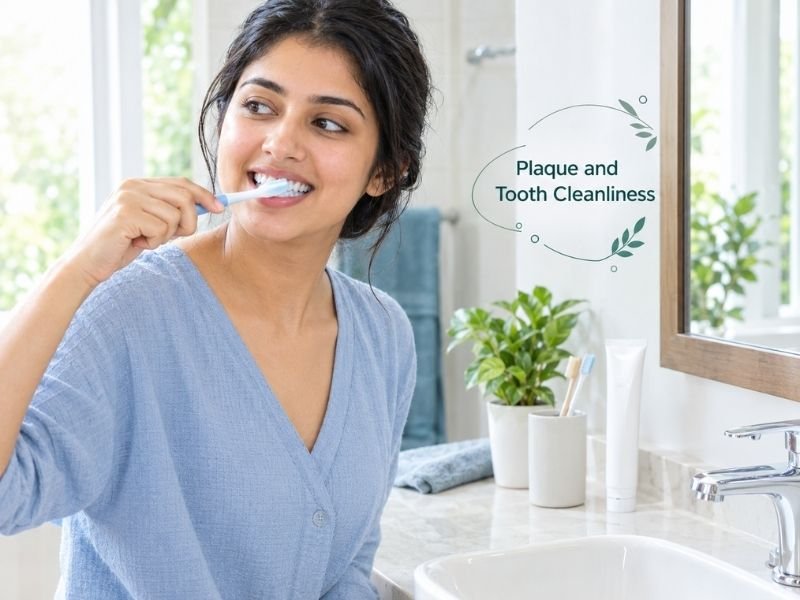
Plaque is a sticky layer that can accumulate on teeth. Regular brushing helps remove plaque and food particles from the tooth surfaces.
Maintaining a consistent brushing routine is therefore one of the most basic aspects of oral hygiene. Paying attention to areas that are commonly missed can also help make cleaning more thorough.
Gum Care
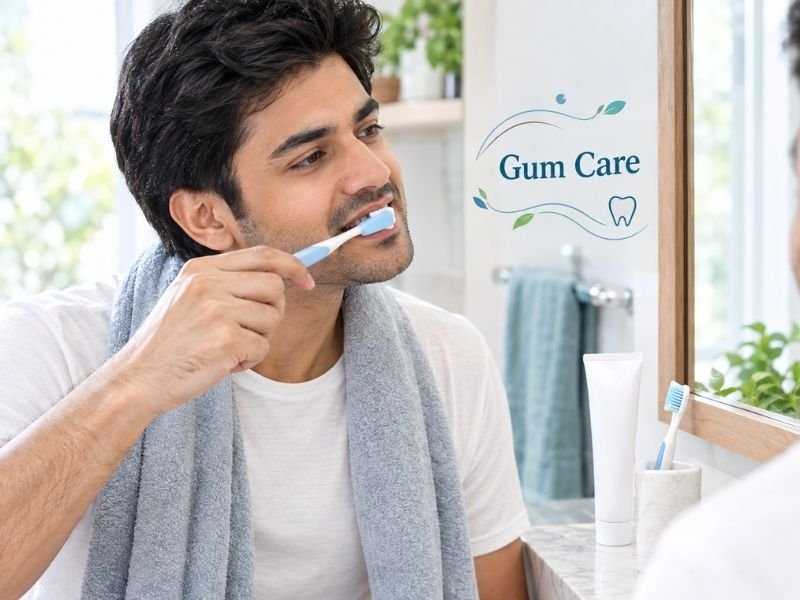
Healthy gums are an important part of overall oral hygiene. Gum care involves gently cleaning along the gumline while avoiding unnecessarily aggressive brushing.
Changes such as persistent bleeding, swelling, tenderness or discomfort should not simply be ignored. A dental professional can assess persistent symptoms and recommend appropriate care.
Tooth Sensitivity and Discomfort
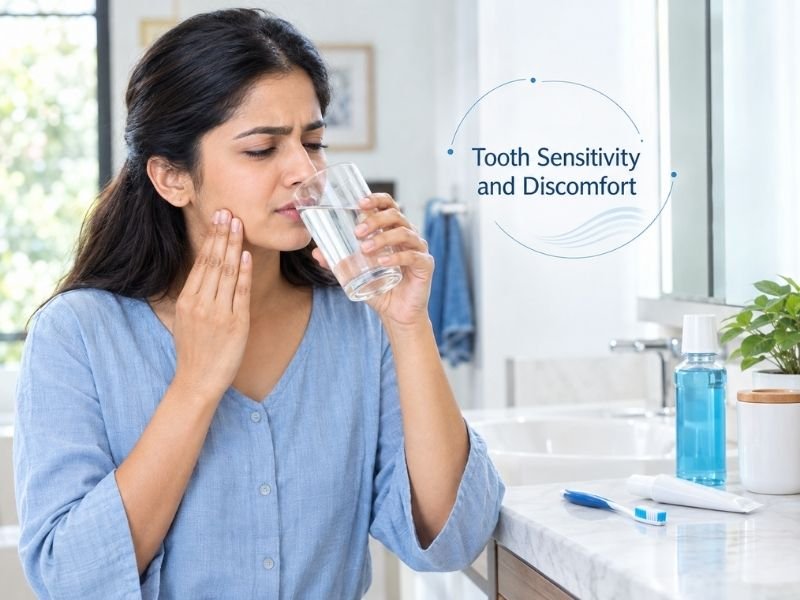
Some people experience sensitivity when consuming hot, cold, sweet or acidic foods and drinks. Sensitivity can have different causes, so the appropriate approach depends on the underlying reason.
If sensitivity is persistent, severe or worsening, consulting a qualified dentist is preferable to relying only on general oral care products.
Bad Breath and Oral Freshness
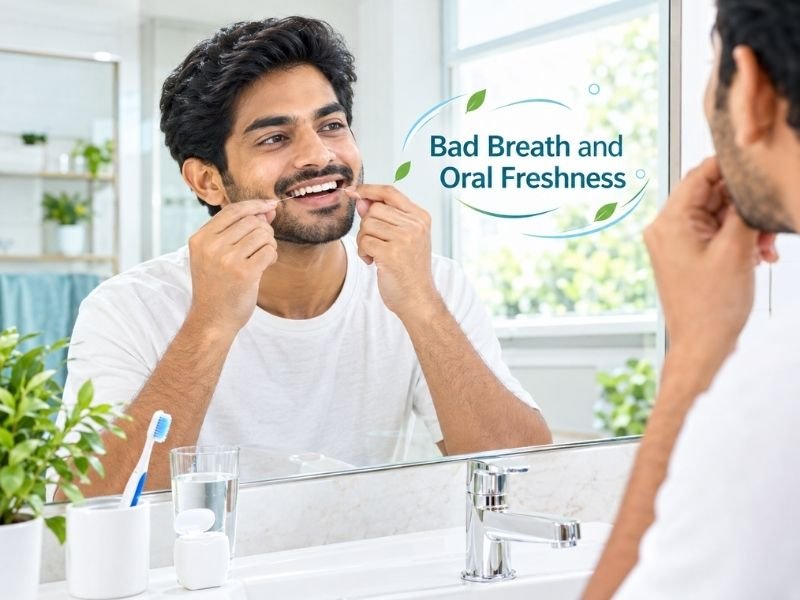
Bad breath can sometimes be associated with food particles, oral hygiene habits, dry mouth or other factors. Regular brushing, cleaning between teeth and maintaining general oral hygiene can support a fresher-feeling mouth.
Persistent bad breath may require professional evaluation, particularly when it continues despite consistent oral hygiene.
How to Choose the Right Products for Dental Care
Consider Your Oral Care Needs
Start by identifying what you want from your everyday dental routine. Basic cleaning, gum care, freshness and general oral hygiene may require different considerations.
Avoid choosing a product solely because of a popular ingredient or marketing claim. Look at the intended use and instructions before making a decision.
Check Ingredients and Usage Directions
Always read the product label carefully. Check the ingredients, recommended usage and any instructions or precautions provided by the manufacturer.
For oral care products, following the recommended method of use is particularly important because they are used directly in the mouth.
Choose Products Suitable for Your Routine
The best dental hygiene routine is one that you can follow consistently. Consider how easily a product fits into your morning and evening routine and whether its intended use matches your requirements.
If you have a specific dental condition or have been given instructions by your dentist, follow professional guidance when selecting oral care products.
Consider Your Family's Different Needs
Children, adults and older people can have different oral care requirements. Products should be selected according to the intended age group and usage instructions rather than assuming that one option is appropriate for everyone.
Popular Styles, Varieties and Choices in Oral Care
Everyday Tooth Cleaning
Tooth-cleaning products form the foundation of most oral hygiene routines. Regular brushing helps clean tooth surfaces and remove accumulated food particles and plaque.
Herbal and Plant-Based Oral Care
Some people prefer oral care products formulated with herbal or plant-based ingredients. These can be considered according to personal preference, provided the product is used according to its directions.
Natural or herbal labelling does not automatically mean a product is suitable for every individual, so checking the formulation remains important.
Gum-Focused Oral Hygiene
People who pay particular attention to gum care may look for oral hygiene options intended for regular gum and mouth care. Gentle brushing technique and proper cleaning habits remain important regardless of the product chosen.
Complete Oral Hygiene Routines
A broader routine may include brushing, cleaning between teeth, maintaining a clean tongue and scheduling regular dental check-ups. Different steps can complement one another and help make oral hygiene more thorough.
Why Explore Dental Care on SaleManch?
SaleManch provides a convenient place to explore everyday personal-care categories, including oral hygiene. The Dental Issues category can help customers discover options relevant to maintaining their regular dental care routine.
Rather than selecting a product based only on appearance or promotional messaging, customers can consider their personal oral care preferences, intended use, ingredients and directions.
SaleManch encourages customers to make informed choices across its categories. For oral care, that means paying attention to everyday hygiene while recognising that persistent or serious dental concerns should be discussed with a qualified dental professional.
Tips for Choosing Products for Dental Hygiene
- Brush consistently: Regular brushing is one of the foundations of everyday oral hygiene.
- Use a gentle technique: Avoid excessive pressure while brushing, particularly around the gumline.
- Clean between teeth: Food particles and plaque can remain in areas that a toothbrush may not reach effectively.
- Read product labels: Check directions, ingredients and intended use before trying a new oral care product.
- Do not ignore persistent symptoms: Ongoing pain, swelling, bleeding or sensitivity deserves professional attention.
- Maintain regular dental check-ups: Professional examinations can help identify concerns that may not be obvious during everyday brushing.
- Limit unnecessary sugary exposure: Frequent consumption of sugary foods and drinks can be unfavourable for dental health, so moderation is a sensible part of oral care.
- Replace worn-out toothbrushes: Follow appropriate replacement guidance and avoid continuing to use brushes whose bristles have become excessively worn.
- Keep oral care personal: A product that suits one person may not be appropriate for another.
- Follow professional advice: If a dentist has recommended a particular treatment or oral care routine, prioritise that guidance.
Frequently Asked Questions
What are common Dental Issues?
Common dental concerns can include plaque buildup, tooth decay, gum problems, bad breath and tooth sensitivity. The appropriate response depends on the specific concern.
How often should I brush my teeth?
A commonly recommended routine is brushing twice a day, but individual circumstances may require additional guidance from a dental professional.
Is brushing enough for good oral hygiene?
Brushing is essential, but oral hygiene can also involve cleaning between teeth, maintaining general mouth cleanliness and having regular dental check-ups.
Why is gum care important?
Gums surround and support the teeth, making their cleanliness and condition an important part of overall oral hygiene.
What should I do if my gums bleed while brushing?
Occasional bleeding can have different causes, but persistent or recurrent bleeding should be discussed with a dentist rather than ignored.
Can dental hygiene help with bad breath?
Good oral hygiene can help address some common causes of bad breath. Persistent bad breath may have other causes and should be professionally assessed if it does not improve.
How do I choose an oral care product?
Consider the intended purpose, ingredients, usage instructions and your individual oral care needs. If you have a specific dental concern, professional advice can help guide your choice.
Are herbal oral care products suitable for everyone?
Not necessarily. Individual needs and sensitivities differ, so read the formulation and directions carefully and seek professional advice when appropriate.
When should I visit a dentist?
A dentist should be consulted for persistent tooth pain, swelling, recurring bleeding, significant sensitivity, damaged teeth or other ongoing oral concerns.
Can children use the same dental products as adults?
Not always. Age-specific instructions and formulations may differ, so choose products according to the recommended age range and follow appropriate dental guidance.
Conclusion
Good oral hygiene starts with consistent everyday habits and informed product choices. Understanding common Dental Issues, following a practical dental care routine and seeking professional advice when concerns persist can support better oral hygiene. Explore the dental care category on SaleManch to find oral care options that fit your everyday routine and personal preferences.

Dental Issues