Dals and Pulses: A Complete Guide to Everyday Indian Staples
Introduction to Dals and Pulses
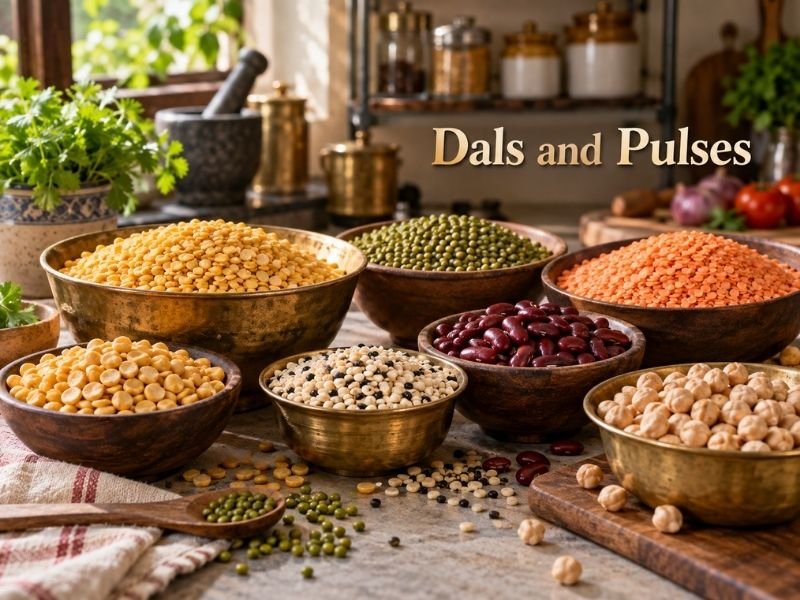
Dals and Pulses are an essential part of Indian cooking and are used across a wide variety of traditional and modern meals. From everyday dal and rice to soups, curries, snacks and savoury preparations, pulses offer versatility and can easily fit into different regional cuisines.
The category includes a broad range of dried legumes that differ in size, colour, texture, cooking time and culinary use. Choosing the right variety can make a noticeable difference to the taste and texture of a dish.
For households that regularly prepare Indian meals, keeping suitable dals and pulses in the kitchen can make everyday cooking more convenient while providing plenty of options for meal planning.
Types, Varieties and Important Aspects of Dals and Pulses
Dals and pulses come in numerous forms, and understanding their basic differences can make shopping and cooking easier.
Split and Whole Pulses
Pulses may be available as whole grains or split forms. Split dals generally cook differently from whole pulses and are commonly used when a softer consistency is desired.
Whole pulses are often suitable for preparations where a firmer texture is preferred. The choice depends largely on the recipe and cooking method.
Common Indian Dal Varieties
Indian kitchens use several familiar varieties, including toor dal, moong dal, masoor dal, urad dal and chana dal. Each has its own culinary characteristics.
Toor dal is widely used in traditional dal preparations, while moong dal is commonly used for lighter dishes. Masoor dal can be used in everyday curries and soups, while urad dal has an important role in several South Indian preparations.
Chana dal is frequently used in curries, snacks and savoury recipes.
Whole Pulses and Legumes
Whole legumes such as chickpeas, kidney beans, black gram and other beans are also part of the wider pulses family.
These ingredients can be soaked before cooking and are commonly used in curries, salads, stews and regional specialities.
Unpolished and Processed Options
Dals can differ according to how they are processed. Some may retain more of their natural outer layers, while others may be processed to produce a particular appearance or cooking characteristic.
When choosing between different forms, consider your cooking preferences, recipe requirements and the information provided on the package.
How to Choose the Right Dals and Pulses
Selecting Dals and Pulses is not simply about choosing a familiar name. A few practical considerations can help you select the right option for your kitchen.
Choose According to the Recipe
Think about what you regularly cook. If you frequently prepare everyday dal, select varieties that suit those recipes. If you enjoy making traditional snacks, fermented foods or regional dishes, consider pulses commonly used for those preparations.
Consider Whole or Split Forms
Whole and split pulses can produce different textures and may require different preparation methods. Check the recipe before choosing the form.
Check the Ingredient Information
For packaged pulses, read the label carefully. Check the ingredient information, net quantity, storage instructions and any preparation guidance provided by the manufacturer.
Look at the Packaging
Good packaging helps protect dry foods from moisture, contamination and handling during storage and transportation. Choose properly sealed packaging and check that it is intact when received.
Consider Household Consumption
Different households use pulses at different rates. Buying an appropriate quantity can help maintain freshness and reduce unnecessary storage.
Popular Styles, Varieties and Choices
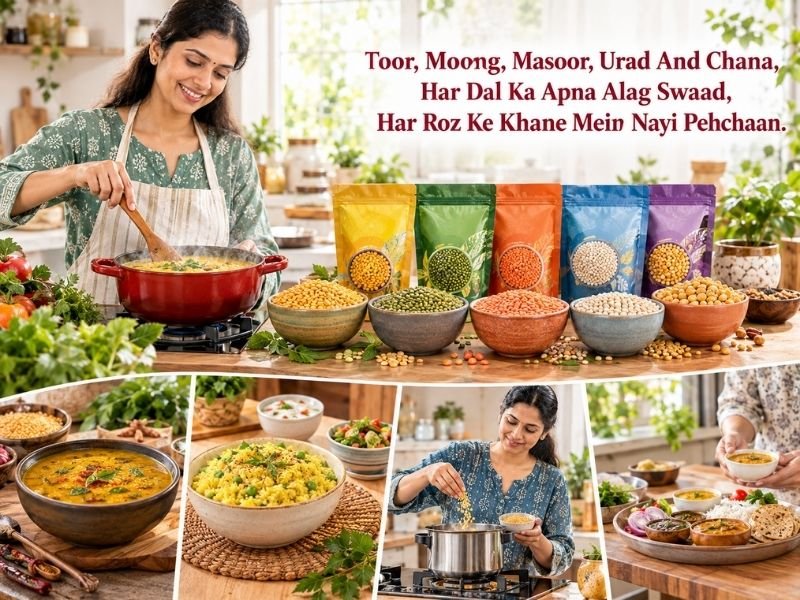
The variety available within Dals and Pulses makes them suitable for many different cooking traditions.
- Toor dal is commonly associated with everyday dal, sambar and several regional preparations.
- Moong dal can be used in dals, khichdi, soups and other dishes where a relatively soft texture is preferred.
- Masoor dal is versatile and can be prepared as a simple dal, curry or soup.
- Urad dal is important in various South Indian foods and is also used in savoury snacks and traditional recipes.
- Chana dal works well in curries, savoury preparations, stuffing and snacks.
Beyond these familiar choices, households can explore different whole pulses and regional varieties to add greater diversity to everyday meals.
Why Explore Dals and Pulses on SaleManch?
SaleManch provides a convenient place to explore everyday food categories while allowing customers to consider different varieties according to their cooking habits.
The Dals and Pulses category is particularly useful for households looking to explore staple ingredients for regular Indian meals. Instead of selecting ingredients based only on familiarity, customers can compare the type, form, packaging information and intended culinary use before making a decision.
SaleManch also brings food and lifestyle categories together in a straightforward shopping environment, making it easier to discover ingredients that can become part of everyday kitchen routines.
Tips for Choosing Dals and Pulses
1. Buy According to Your Cooking Habits
Choose varieties that you actually use regularly. This helps avoid unnecessary long-term storage.
2. Check the Pack Before Opening
Look for properly sealed packaging and make sure there is no visible damage or moisture exposure.
3. Store in a Dry Place
Once opened, store pulses in a clean, dry and suitable airtight container. Keep them away from moisture and direct exposure to heat.
4. Follow Recipe-Specific Preparation
Some pulses benefit from soaking, while others can be cooked directly. Follow the preparation method appropriate for the particular variety.
5. Rotate Your Pantry Stock
Use older packets first and replenish your regular staples as needed. Good pantry organisation helps maintain freshness.
6. Explore Different Varieties
Using different dals and pulses can bring variety to everyday meals. Experiment with regional recipes and cooking styles to make better use of your pantry staples.
7. Read Product Information
Before purchasing packaged food, review the available ingredient, storage, preparation and packaging information.
Frequently Asked Questions
What are Dals and Pulses?
Dals and pulses are dried edible legumes commonly used in Indian and international cooking. They include various whole and split varieties.
What is the difference between dal and pulses?
“Pulses” is a broader term for dried edible seeds of leguminous plants, while “dal” commonly refers to split or prepared pulses used in Indian cuisine.
Which dals are commonly used in Indian cooking?
Common varieties include toor dal, moong dal, masoor dal, urad dal and chana dal, along with numerous regional and whole-pulse varieties.
Should pulses be soaked before cooking?
Some whole pulses benefit from soaking, while many split dals can be cooked without prolonged soaking. The appropriate method depends on the specific variety and recipe.
How should Dals and Pulses be stored?
Store them in a cool, dry place away from moisture. After opening a packet, an appropriate airtight container can help protect the contents during pantry storage.
Can whole and split pulses be used interchangeably?
Not always. Whole and split forms can differ in cooking time, texture and preparation requirements, so it is better to select the form specified by the recipe.
How can I choose the right dal for a recipe?
Consider the recipe’s traditional ingredients, desired texture and cooking method. The type of dal recommended by the recipe is generally the best starting point.
Are Dals and Pulses suitable for everyday cooking?
Yes. They are widely used in everyday meals across Indian households and can be prepared in many different ways.
How can I keep my pulse pantry organised?
Keep different varieties in clearly labelled, dry containers and use older stock before newer purchases. This makes it easier to identify ingredients while cooking.
What should I check before buying packaged pulses?
Check the product name, ingredient information, packaging condition, storage instructions and other details provided on the package.
Conclusion
Dals and Pulses are versatile kitchen staples that support countless Indian recipes, from simple everyday meals to traditional regional dishes. Understanding the differences between varieties, whole and split forms, and appropriate storage methods can make everyday cooking easier and more enjoyable.
Explore the Dals and Pulses category on SaleManch to discover options suited to your kitchen preferences and everyday cooking needs.