
Bone & Joint Health: A Practical Guide to Supporting Strong Bones and Healthy Joints

Introduction to Bone & Joint Health
Bone & Joint Health is an important part of maintaining an active and comfortable lifestyle at every stage of life. Bones provide structure and support, while joints allow different parts of the body to move. Taking care of both involves a combination of balanced nutrition, regular physical activity, healthy lifestyle habits and appropriate rest.
The nutritional needs associated with bone and joint health can vary from person to person. Age, activity levels, dietary habits and overall lifestyle can all influence individual requirements. This makes it useful to understand the different nutritional and wellness options available before choosing products in this category.
At SaleManch, the Bone & Joint Health category is intended to help customers explore options associated with everyday nutritional and wellness routines.
Important Aspects of Bone & Joint Health
Bone and joint wellness is not based on one particular nutrient or product. A broader approach can help support an active lifestyle.
Essential Nutrients for Bone Health
Several nutrients play important roles in normal bone development and maintenance. Calcium and vitamin D are particularly well known in relation to bone health.
Calcium is found in foods such as dairy products, leafy vegetables, pulses and certain fortified foods. Vitamin D is associated with calcium absorption and normal bone function. Other nutrients, including protein and several vitamins and minerals, can also contribute to overall nutritional wellbeing.
Joint-Friendly Lifestyle Habits
Joints benefit from regular, appropriate movement. Activities such as walking, stretching, mobility exercises and strength training can form part of an active lifestyle when suitable for the individual.
Maintaining a healthy body weight, avoiding prolonged inactivity and using appropriate exercise techniques can also be useful components of a general joint-care routine.
Physical Activity and Mobility
Regular physical activity helps maintain strength and mobility. However, exercise should be appropriate to an individual’s fitness level.
Gradually increasing activity rather than making sudden changes can make a fitness routine easier to maintain. Rest and recovery are also important, particularly for people who exercise frequently.
Healthy Ageing
Bone and joint considerations can become increasingly relevant as people get older. Maintaining a balanced diet, staying physically active and paying attention to adequate nutrition can support an active lifestyle throughout adulthood.
People with specific nutritional concerns may benefit from discussing their requirements with a qualified healthcare professional.
How to Choose the Right Products for Bone & Joint Health
Choosing products in the Bone & Joint Health category requires attention to ingredients, intended use and personal nutritional needs.
Check the Nutritional Information
Start by reviewing the label carefully. Look at the ingredients, nutritional values, serving information and recommended usage.
If you are specifically looking for nutrients associated with bone health, check whether the product provides those nutrients and in what quantity.
Consider Your Dietary Requirements
Different people follow different eating patterns. Some may prefer plant-based options, while others may have dietary restrictions or sensitivities.
Always check the complete ingredient list to determine whether a product fits your dietary preferences.
Consider Your Lifestyle
Your lifestyle can influence the type of nutritional support you may be looking for. Someone who exercises regularly may have different priorities from someone primarily focused on everyday wellness.
Think about your routine, activity level and existing diet before selecting a product.
Understand the Intended Purpose
Read the product description and label to understand its intended purpose rather than relying only on general category terminology.
Nutritional supplements should complement a balanced diet and should not automatically be viewed as replacements for nutritious foods.
Popular Styles, Varieties and Choices in Bone & Joint Health

The Bone & Joint Health category can include several broad types of nutritional and wellness choices.
Vitamin and mineral-based nutrition may focus on nutrients commonly associated with maintaining normal bones and overall nutritional wellbeing.
Plant-based nutritional options can be relevant for customers who prefer products derived from plant sources or follow particular dietary patterns.
Herbal and botanical wellness products represent another broad category. When considering these options, customers should review ingredients, usage directions and any relevant precautions carefully.
Nutrition products for active lifestyles may be considered by people who regularly participate in exercise and want to incorporate additional nutritional support into their routine.
Different formats may also be available, including tablets, capsules, powders and other convenient forms. The best format is generally the one that suits an individual’s routine and preferences while being used according to the manufacturer’s instructions.
Why Explore Bone & Joint Health on SaleManch?
SaleManch makes it easier for customers to explore wellness categories in one place and learn about different approaches to everyday nutrition and active living.
The Bone & Joint Health category can be useful for customers who want to explore nutritional products associated with maintaining an active lifestyle. Instead of choosing something solely because of a general health claim, customers can compare ingredients, formats, intended uses and dietary suitability.
A thoughtful approach also means considering the basics first: a varied diet, regular movement, adequate rest and healthy lifestyle habits.
Tips for Choosing Products from the Bone & Joint Health Category
- Read the label carefully: Check ingredients, serving information and nutritional values before making a decision.
- Look at key nutrients: If you are seeking nutritional support for bones, pay attention to nutrients such as calcium and vitamin D.
- Consider your diet: Think about what nutrients you already receive from your regular meals.
- Check dietary compatibility: Review ingredients if you follow a vegetarian, vegan or other specialised diet.
- Follow recommended usage: Do not exceed the manufacturer’s suggested serving unless advised by an appropriate professional.
- Choose a convenient format: Tablets, capsules or powders may suit different routines and preferences.
- Maintain regular movement: Nutrition works best as part of a broader healthy lifestyle that includes suitable physical activity.
- Do not overlook rest: Adequate recovery and sleep are important components of an active lifestyle.
- Avoid unnecessary combinations: Taking several products with overlapping ingredients may not always be appropriate. Check labels carefully.
- Seek professional advice when needed: If you have a diagnosed condition, take medication, are pregnant or have specific nutritional concerns, consult a qualified healthcare professional before using supplements.
Frequently Asked Questions
What is Bone & Joint Health?
Bone & Joint Health refers broadly to maintaining the normal structure, function and mobility of bones and joints through appropriate nutrition, physical activity and healthy lifestyle habits.
Which nutrients are important for bone health?
Calcium and vitamin D are well-known nutrients associated with normal bone health. Protein and other vitamins and minerals also contribute to overall nutritional wellbeing.
Why is calcium important for bones?
Calcium is an essential mineral involved in maintaining normal bones and several other functions in the body. Adequate intake is therefore an important part of a balanced diet.
What is the role of vitamin D in bone health?
Vitamin D contributes to normal calcium absorption and utilisation and plays a role in maintaining normal bones.
Can exercise support bone and joint wellness?
Regular, appropriate physical activity can be an important part of an active lifestyle. The type and intensity of exercise should be suitable for the individual.
Are Bone & Joint Health supplements necessary for everyone?
No. Nutritional requirements differ between individuals. A balanced diet may provide many essential nutrients, while supplementation may be appropriate in certain circumstances based on individual needs.
How should I choose a bone health supplement?
Review the ingredients, nutritional information, serving instructions, dietary suitability and intended purpose. Consider whether it complements your existing diet and lifestyle.
Are plant-based options available for bone and joint nutrition?
Plant-based nutritional options may be available, depending on the product. Always check the ingredient list and nutritional information to confirm suitability.
Can older adults benefit from paying attention to bone health?
Bone health remains important throughout adulthood, and nutritional needs can change with age. Older adults should consider their overall diet, activity and individual nutritional requirements.
What is the best way to maintain bone and joint health?
A balanced diet, suitable physical activity, adequate rest, healthy lifestyle habits and attention to individual nutritional needs can all form part of a sensible approach to bone and joint wellness.
Conclusion
Good Bone & Joint Health is supported by consistent everyday habits rather than a single product or nutrient. Balanced nutrition, appropriate movement, adequate rest and informed choices can all contribute to maintaining an active lifestyle. Explore the Bone & Joint Health category on SaleManch to learn about different nutritional and wellness options and choose according to your individual needs and preferences.
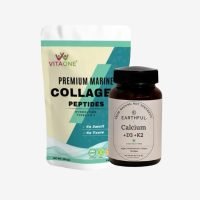
Bone & Joint Health