Atta, Flours and Sooji: A Practical Guide to Everyday Cooking Essentials
Introduction to Atta, Flours and Sooji
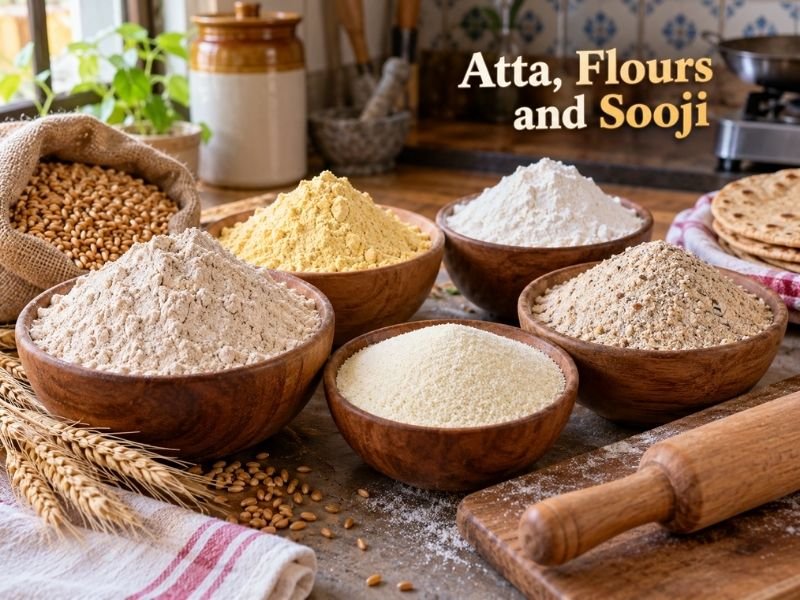
Atta, flours and sooji are essential ingredients in Indian kitchens, forming the foundation of countless everyday meals, snacks and traditional recipes. From soft rotis and chapatis to dosas, batters, sweets, breakfast dishes and baked preparations, different types of flour and sooji offer versatility for home cooking.
The Atta, Flours and Sooji category brings together staple ingredients made from cereals, grains, millets, pulses and other plant-based sources. Choosing the right flour depends largely on the recipe, preferred texture, cooking method and personal dietary preferences.
Understanding the differences between these ingredients can make everyday cooking easier and help you select products that suit your kitchen routine.
Types, Styles and Varieties of Atta, Flours and Sooji
The category covers a broad range of ingredients, each with its own traditional uses and cooking characteristics.
Wheat Atta for Everyday Indian Cooking
Wheat atta is one of the most commonly used flours in Indian households. It is traditionally used for preparing chapatis, rotis, parathas and other flatbreads. Its texture, fineness and suitability for kneading can influence the softness and handling of the dough.
For regular cooking, it is useful to select atta according to the type of dishes prepared most frequently at home.
Millet and Alternative Grain Flours
Millet-based flours have become increasingly familiar in Indian cooking because different regions have long used grains such as ragi, bajra and jowar in traditional recipes.
These flours can be used in rotis, pancakes, porridges and other preparations, depending on the particular grain and recipe. Since different flours behave differently when mixed with water, recipes may require adjustments in consistency and preparation technique.
Sooji and Semolina
Sooji, also known as semolina or rava, is commonly used in dishes such as upma, halwa, certain breakfast preparations and snacks. Its granular texture distinguishes it from finely milled flour.
The coarseness of sooji can affect the final texture of a dish, making it important to consider the recipe before choosing a particular variety.
Specialty and Blended Flours
Some flour varieties combine different grains or ingredients to create a particular cooking profile. Blended flours can be useful for people who want variety in their everyday meals or are looking for ingredients suited to specific recipes.
When choosing a blended flour, checking the ingredient list is especially important so that you know exactly what the product contains.
How to Choose the Right Products in This Category
Selecting atta, flour or sooji is easier when you start with the intended use rather than choosing solely by appearance.
Consider the Recipe and Cooking Method
Think about what you plan to prepare. A flour suitable for chapatis may not provide the same results in a cake, dosa, snack or traditional sweet. Sooji, similarly, has a different texture and function from finely milled flour.
Choosing according to the recipe can help achieve the desired consistency and cooking result.
Check the Ingredient List
Always review the ingredients before purchasing packaged flour products. This is particularly important when choosing blended, grain-based or specialty varieties.
The ingredient list can help you identify the primary grain or ingredients and check for anything you may prefer to avoid.
Consider Your Household Preferences
Different family members may have different preferences regarding grains, textures and cooking styles. Consider the dishes prepared regularly in your household and choose ingredients that fit naturally into your routine.
Check Packaging and Storage Information
Look at the packaging carefully and check the recommended storage instructions. Flour and sooji should generally be kept protected from moisture and contamination.
A clean, dry and well-sealed storage container can help maintain the ingredient’s usability after opening.
Popular Styles, Varieties and Choices
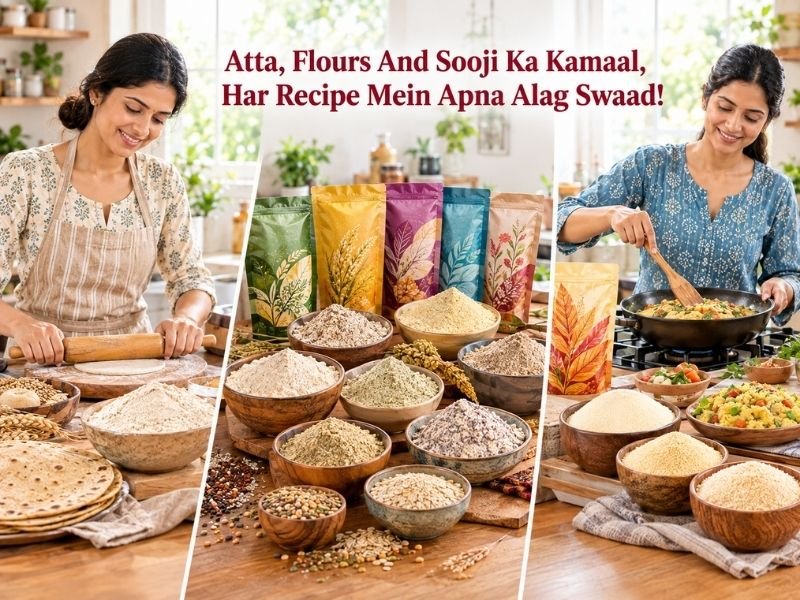
Indian cooking offers considerable variety when it comes to flour and grain-based ingredients. Traditional wheat atta remains a household staple, while millet flours and other grain varieties are commonly used for regional recipes and culinary experimentation.
Different grades of semolina can also be selected according to the texture required for a particular dish. Fine, medium and coarse textures can produce noticeably different results.
For those exploring alternative ingredients, blended flours can provide another option. However, there is no single flour that is ideal for every recipe. The best choice depends on what you cook, the texture you prefer and how the ingredient fits into your regular kitchen routine.
Why Explore This Category on SaleManch?
SaleManch provides a convenient place to explore everyday food and kitchen-related categories in one online shopping environment. The Atta, Flours and Sooji category is useful for customers looking for staple ingredients for regular home cooking as well as ingredients for trying different recipes.
A category-focused shopping experience can make it easier to compare ingredient information, packaging details and suitability before making a decision.
Whether you are preparing traditional Indian meals, experimenting with different grains or simply replenishing kitchen staples, SaleManch offers a convenient way to explore this category.
Tips for Choosing Products from This Category
- Start with your recipe: Select an ingredient based on what you intend to cook.
- Read the ingredient list: Check the composition carefully, especially for blended flours.
- Consider texture: Fine, medium and coarse textures can produce different cooking results.
- Think about frequency of use: Choose quantities that suit your household’s regular consumption and storage capacity.
- Check packaging: Look for clear packaging information and intact packaging.
- Follow storage instructions: Keep flour and sooji away from moisture and unsuitable storage conditions.
- Avoid unnecessary assumptions: A flour being labelled as a particular type does not mean it is suitable for every recipe.
- Compare before choosing: Review ingredients, variety and intended use rather than selecting only on appearance.
- Experiment gradually: When trying an unfamiliar flour, start with recipes specifically designed for that ingredient.
- Keep your kitchen routine in mind: The most practical choice is one that works with the meals you regularly prepare.
Frequently Asked Questions
What are atta, flour and sooji?
Atta and flour are milled ingredients commonly made from grains, cereals, millets or other plant sources. Sooji, also called semolina or rava, is a granular form of milled grain commonly used in Indian cooking.
What is atta commonly used for?
Atta is widely used for preparing Indian flatbreads such as chapatis, rotis and parathas. Its suitability can vary depending on the type and milling characteristics.
What is sooji used for?
Sooji is commonly used in dishes such as upma, halwa, breakfast preparations and various snacks. Different textures of sooji may be suited to different recipes.
Are all flours interchangeable?
No. Different flours have different textures and cooking characteristics. Substituting one flour for another can change the consistency, texture and final result of a recipe.
What should I check before buying flour?
Check the ingredient list, flour type, texture, packaging information and storage instructions. Your intended recipes should also guide your choice.
What are millet flours used for?
Millet flours such as those made from ragi, jowar or bajra are used in various traditional and contemporary preparations, including flatbreads and breakfast dishes.
How should atta and flour be stored?
They should generally be protected from moisture and contamination and stored according to the instructions provided on the packaging. A clean, dry and properly sealed container is useful after opening.
What is the difference between fine and coarse sooji?
The main difference is particle size and texture. Fine and coarse sooji can behave differently during cooking and may be selected according to the requirements of a particular recipe.
Are blended flours suitable for everyday cooking?
Blended flours can be used for everyday cooking when their ingredients and characteristics suit your recipes and preferences. Always check the ingredient information before choosing one.
How do I choose between different types of flour?
Consider the recipe, desired texture, ingredients, cooking method, household preferences and storage requirements. Choosing according to your actual cooking needs is usually the most practical approach.
Conclusion
Atta, flours and sooji are versatile kitchen essentials with an important place in everyday Indian cooking. From traditional flatbreads to breakfast dishes, snacks and regional recipes, the right ingredient can make preparation more convenient and help achieve the desired texture.
Explore the Atta, Flours and Sooji category on SaleManch to discover ingredients suited to your cooking preferences and everyday kitchen needs.