Allergies: Understanding Allergy Support and Everyday Wellness Choices

Introduction to Allergies
Allergies occur when the immune system reacts to a substance that is generally harmless to most people. These substances, known as allergens, can be found in the environment, food, medicines and other everyday surroundings. Allergy-related concerns can vary considerably from one person to another, making it important to understand individual triggers and choose products carefully.
Common allergy triggers may include pollen, dust mites, mould, animal dander, insect stings and certain foods. Some people experience seasonal symptoms, while others may encounter triggers throughout the year.
The Allergies category on SaleManch is intended for customers exploring products associated with general wellness and allergy-related care. However, products in this category should not automatically be considered treatments or replacements for professional medical advice.
Types and Important Aspects of Allergies
Seasonal Allergies

Seasonal allergies are commonly associated with exposure to airborne allergens that vary according to the time of year. Changes in pollen levels can be relevant for people who are sensitive to particular plants.
Keeping track of when symptoms appear can help individuals identify possible environmental patterns and discuss them with a healthcare professional.
Environmental Allergies

Dust, mould, pet dander and other substances in indoor or outdoor environments can act as allergens for some individuals. Reducing exposure to known triggers may be an important part of managing allergy concerns.
Regular cleaning, appropriate ventilation and attention to known personal triggers can support a more comfortable environment.
Food-Related Allergies
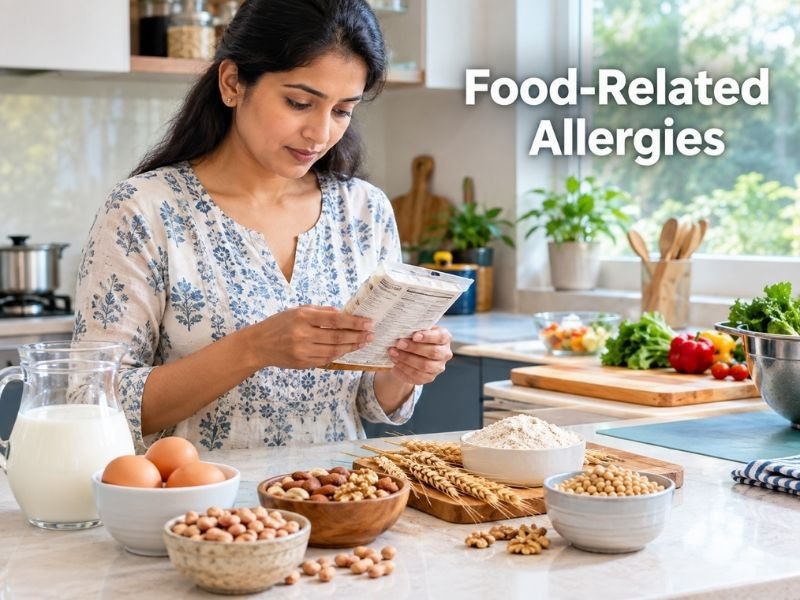
Food allergies involve an immune response to specific food proteins. Common examples include reactions to milk, eggs, peanuts, tree nuts, soy, wheat, fish and shellfish, although many other foods can also cause allergies.
People with known food allergies need to pay close attention to ingredient lists and possible cross-contact information. A suspected food allergy should be evaluated by a qualified healthcare professional rather than self-diagnosed.
Skin-Related Allergic Reactions
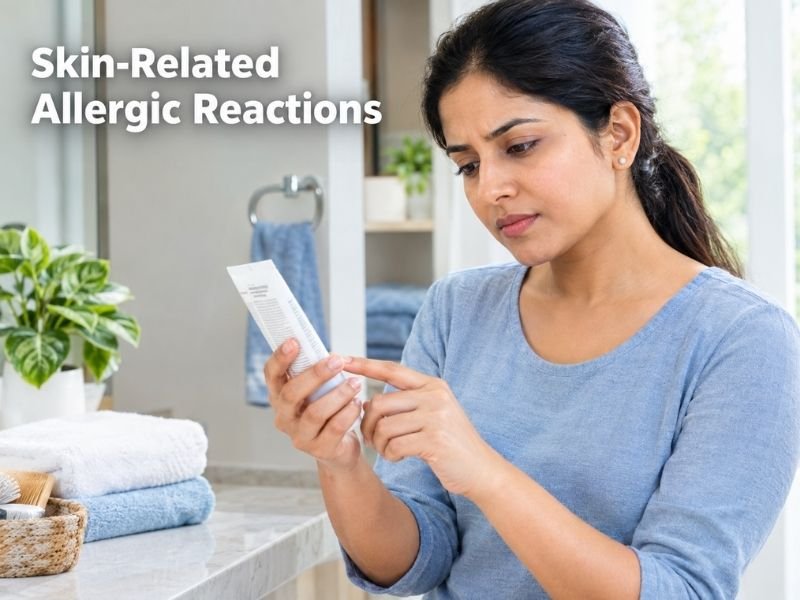
Some allergens or irritants can affect the skin and may result in symptoms such as itching, redness or irritation. Personal-care products, materials and environmental substances can sometimes be relevant.
If a reaction is persistent, severe or unexplained, professional evaluation is advisable.
How to Choose the Right Products in This Category
Understand the Purpose
Before selecting a product, identify why you are considering it. Products marketed for general wellness may have different intended uses, ingredients and directions.
Understanding the intended purpose helps prevent unsuitable choices and unrealistic expectations.
Read the Ingredient List
Always review the ingredients carefully, particularly if you already know that you are sensitive to particular substances. Do not assume that a product is suitable simply because it is described using terms such as natural, herbal or wellness-focused.
If you have a known allergy, compare the ingredient information with your personal requirements.
Check Usage Instructions
Follow the directions provided on the packaging. Pay attention to recommended serving or usage instructions, storage requirements and warnings.
Using more than the recommended amount does not necessarily provide greater benefits and may be inappropriate.
Consider Your Personal Circumstances
Everyone’s allergy profile is different. Age, existing health conditions, medications and previous reactions can all be relevant when considering a wellness product.
If you take regular medication or have a diagnosed medical condition, consult a qualified healthcare professional before starting a new supplement or herbal preparation.
Popular Choices and Approaches Related to Allergy Wellness
General Wellness Products
Some consumers explore wellness products as part of their broader daily routines. Such products may contain different combinations of nutrients, botanical ingredients or other components.
The presence of an ingredient does not automatically mean that it will prevent or treat an allergic reaction. Product information should therefore be considered carefully.
Herbal and Botanical Preparations
Herbal and botanical products are commonly used in traditional wellness practices. Their formulations and intended purposes can differ significantly.
Natural origin also does not guarantee that a product is suitable for everyone. People with allergies should check ingredients carefully and consider professional advice where appropriate.
Lifestyle and Environmental Awareness
Managing allergies often involves more than selecting a product. Identifying personal triggers, maintaining a suitable environment and following advice from healthcare professionals can all be relevant.
Keeping a simple record of when symptoms occur may also help identify possible patterns.
Why Explore the Allergies Category on SaleManch?
SaleManch provides customers with a dedicated category for exploring products associated with allergy-related wellness. A category-based shopping experience can make it easier to review options and compare information according to individual preferences.
When browsing the Allergies category, customers should focus on ingredients, intended use and usage instructions rather than relying on broad health claims. Products should be selected according to personal circumstances, and medical concerns should be discussed with an appropriate healthcare professional.
SaleManch is a convenient place to explore wellness-oriented choices while encouraging customers to make informed decisions.
Tips for Choosing Products from This Category
1. Know Your Triggers
If you have a diagnosed allergy, keep track of substances that you need to avoid and check product labels accordingly.
2. Read Labels Every Time
Ingredients and formulations can change. Make it a habit to review the current label rather than relying only on previous experience with a product.
3. Do Not Confuse Wellness With Treatment
A dietary supplement or herbal product should not automatically be regarded as a treatment for an allergy or as a substitute for prescribed medication.
4. Be Careful With New Ingredients
If you have a history of allergic reactions, introducing products containing unfamiliar ingredients requires particular care.
5. Follow Recommended Directions
Use products only according to their stated directions. If instructions are unclear, seek clarification from the manufacturer or a qualified professional.
6. Seek Medical Attention for Serious Reactions
Some allergic reactions can become severe. Difficulty breathing, swelling of the lips or tongue, fainting or other signs of a serious allergic reaction require urgent medical attention.
Frequently Asked Questions
What are allergies?
Allergies are immune-system reactions to substances that are usually harmless to most people. The substances that trigger these reactions are called allergens.
What are common allergy triggers?
Common triggers include pollen, dust mites, mould, animal dander, insect stings and certain foods. Individual triggers can vary significantly.
Can allergies occur at any age?
Yes. Allergies can develop at different stages of life, although the specific causes and symptoms vary between individuals.
Are seasonal allergies different from food allergies?
Yes. Seasonal allergies are generally associated with environmental allergens that vary during particular times of the year, while food allergies involve reactions to specific food proteins.
Can herbal products treat allergies?
Herbal products should not automatically be considered treatments for allergies. Their ingredients and intended uses vary, and medical advice may be appropriate.
How can I choose an allergy-related wellness product?
Review the ingredients, intended purpose, directions, warnings and other information provided on the packaging. Consider your personal allergies and health circumstances before making a choice.
Should people with food allergies read ingredient labels?
Yes. Carefully checking ingredient information is important for anyone who needs to avoid specific food allergens.
Can natural ingredients cause allergic reactions?
Yes. Natural or botanical ingredients can still cause allergic reactions in susceptible individuals. Always check the complete ingredient list.
When should I consult a doctor about allergies?
Consult a healthcare professional if symptoms are persistent, recurrent, unexplained or interfering with everyday life. Professional evaluation is particularly important for suspected food or medication allergies.
What should I do during a severe allergic reaction?
A severe allergic reaction can be a medical emergency. Symptoms such as difficulty breathing, significant swelling, fainting or rapidly worsening symptoms require urgent medical attention.
Conclusion
Understanding your personal triggers and reading product information carefully are important parts of making informed choices about Allergies and everyday wellness. No single product can replace appropriate diagnosis, trigger avoidance or professional medical care when required.
Explore the Allergies category on SaleManch with a focus on ingredients, intended use and your individual requirements, and make wellness choices that fit responsibly into your everyday routine.