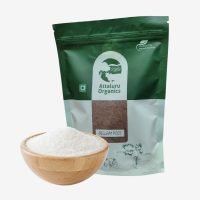
Salt, Sugar and Jaggery: A Practical Guide to Everyday Kitchen Essentials
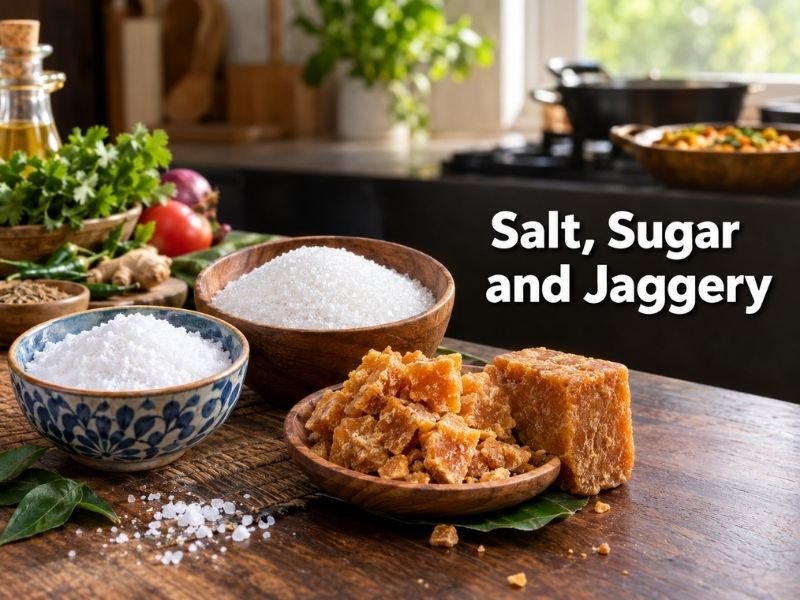
Introduction to Salt, Sugar and Jaggery
Salt, sugar and jaggery are among the most familiar ingredients found in Indian kitchens. They may seem simple, but each has its own flavour, texture, culinary purpose and place in traditional cooking. From everyday meals and beverages to sweets, snacks and festive recipes, these ingredients are used in many different ways.
The Salt, Sugar and Jaggery category brings together essential sweetening and seasoning ingredients that can be useful for everyday cooking. Understanding their differences can help shoppers make more informed choices based on taste, cooking method, recipe requirements and personal preferences.
While these ingredients are commonly used in food preparation, moderation is important, particularly when considering overall dietary intake. Choosing the right form and using the appropriate quantity can make cooking more convenient while allowing the natural character of a recipe to stand out.
Types, Styles and Important Aspects of Salt, Sugar and Jaggery
Salt, sugar and jaggery are available in different forms, textures and levels of processing. Their suitability often depends on how they are intended to be used.
Different Forms of Salt

Salt is primarily used as a seasoning and can influence the overall taste of a dish. Common forms include fine salt, coarse salt, crystal salt and other specialty varieties. The size of the grains can affect how quickly salt dissolves and how easily it can be measured.
Fine salt is convenient for everyday cooking because it mixes easily with other ingredients. Coarser varieties may be useful for particular cooking methods or recipes where texture matters.
When choosing salt, consider the recipe, grain size, packaging and ingredient information rather than selecting solely on appearance.
Common Types of Sugar
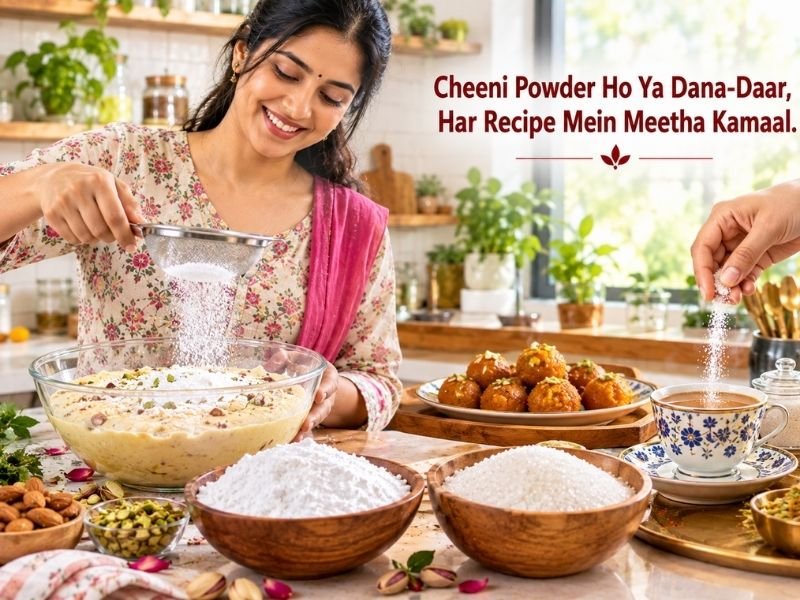
Sugar is widely used to sweeten beverages, desserts, baked foods and traditional Indian preparations. It can be found in forms such as granulated sugar, powdered sugar and other speciality varieties.
Granulated sugar is versatile and commonly used for cooking and beverages. Powdered forms can be convenient when a recipe requires quick incorporation into mixtures, frostings or certain desserts.
The right choice depends largely on the recipe and the texture required.
Jaggery in Traditional Cooking

Jaggery is a traditional sweetening ingredient used in many Indian recipes. It is commonly available in blocks, pieces, granules or powdered forms. Its characteristic colour and distinct flavour can add depth to sweets, beverages and savoury preparations.
Powdered jaggery can be particularly convenient when a recipe requires easy mixing or portioning. Block or solid forms may be preferred for traditional preparation methods where the ingredient is dissolved or processed before use.
Because jaggery can vary in colour, texture and flavour, shoppers should check the product information and storage guidance before making a selection.
How to Choose the Right Products in This Category
Consider the Intended Use
Start by deciding how you plan to use the ingredient. Everyday cooking, baking, beverages, desserts and traditional recipes may require different textures or forms.
For example, a fine ingredient may dissolve more readily, while a coarse or solid form may be better suited to recipes where gradual melting or a particular texture is desired.
Check the Ingredient Information
Read the label carefully before choosing a packaged food ingredient. Look for information about ingredients, net quantity, storage instructions, manufacturer or packer details, and relevant dates where applicable.
Clear product information helps you understand what you are purchasing and whether it suits your requirements.
Choose the Right Texture
Texture can make a practical difference in cooking. Powdered ingredients are generally convenient for quick mixing, while crystals, granules and blocks may be more appropriate for specific culinary techniques.
Think about your usual recipes and preparation habits before selecting a particular form.
Consider Storage Requirements
Salt, sugar and jaggery should be stored according to the instructions provided on their packaging. Moisture can affect the texture of many dry ingredients, so appropriate storage can help maintain their usability.
A clean, dry and suitable container can also make frequently used kitchen ingredients easier to organise.
Popular Styles, Varieties and Choices Related to the Category
The popularity of different forms often depends on regional cooking traditions and household preferences. Indian cuisine uses sweet and salty ingredients across a wide range of dishes, making versatility an important consideration.
Salt is used in curries, dals, vegetables, snacks, doughs and many other preparations. Sugar is common in beverages, desserts, sweets and baking. Jaggery is closely associated with several traditional recipes and can be used in both sweet and savoury preparations.
The availability of different textures and forms also gives home cooks greater flexibility. Some people prefer ingredients that can be measured and mixed quickly, while others may choose traditional forms for particular recipes.
Why Explore Salt, Sugar and Jaggery on SaleManch?
SaleManch provides a convenient place to explore everyday categories from one online destination. The Salt, Sugar and Jaggery category is relevant for shoppers looking for commonly used kitchen ingredients and traditional sweetening or seasoning options.
When exploring the category, customers can consider the form, intended use, ingredient information, packaging details and storage requirements that best match their household needs.
A useful shopping experience is not only about finding an ingredient but also about understanding whether its form and characteristics are appropriate for the intended recipe.
Tips for Choosing Products from This Category
- Identify your purpose first: Choose an ingredient according to the recipe or cooking method rather than selecting only by appearance.
- Compare forms: Consider whether powdered, granulated, coarse or solid forms would be more convenient for your regular cooking.
- Read labels carefully: Check ingredients, quantity, storage information and other relevant package details before purchasing.
- Think about frequency of use: If an ingredient is used regularly, choose a form that is easy to measure, store and handle.
- Store properly: Follow the storage instructions and protect dry ingredients from excess moisture.
- Use moderation: Salt and added sugars are best used thoughtfully as part of an overall balanced eating pattern.
- Consider recipe tradition: Traditional recipes may call for a specific form of jaggery, sugar or salt, so selecting the appropriate texture can make preparation easier.
- Check packaging condition: Before purchasing, look for intact packaging and clear product information.
Frequently Asked Questions
What are salt, sugar and jaggery commonly used for?
Salt is primarily used for seasoning, while sugar and jaggery are commonly used for sweetening beverages, desserts, traditional recipes and various cooked preparations.
Is jaggery the same as sugar?
No. Jaggery and sugar are different sweetening ingredients with differences in processing, texture, colour and flavour. They can also behave differently in recipes.
What forms of jaggery are available?
Jaggery can commonly be found in solid blocks, pieces, granules or powdered forms. The most suitable form depends on the recipe and personal convenience.
Which form of sugar is convenient for baking?
Granulated and powdered forms can serve different purposes in baking. The appropriate choice depends on the recipe and the texture required.
Why are there different types of salt?
Salt can differ in grain size, texture and other characteristics. Different forms may be selected according to cooking methods, recipes and personal preference.
How should jaggery be stored?
Jaggery should generally be stored according to the instructions on its packaging and protected from unsuitable moisture and storage conditions.
Can jaggery be used in traditional Indian recipes?
Yes, jaggery is traditionally used in many Indian preparations, including sweets, beverages and certain savoury dishes.
How should I choose between powdered and solid ingredients?
Consider how the ingredient will be used. Powdered forms can be convenient for mixing and measuring, while solid forms may suit recipes that require dissolving or gradual incorporation.
What should I check before buying packaged kitchen ingredients?
Check the ingredient information, quantity, packaging condition, storage instructions and other details provided on the package.
Should salt and sweeteners be consumed in large quantities?
No. Salt and added sweeteners should generally be used in moderation as part of an overall balanced diet. Individual dietary needs can vary, so appropriate guidance may be useful when specific dietary restrictions apply.
Conclusion
Salt, sugar and jaggery remain important kitchen essentials with diverse culinary uses across Indian households. Understanding their forms, textures, applications and storage requirements can make everyday shopping and cooking more convenient. Explore the Salt, Sugar and Jaggery category on SaleManch to find options suited to your cooking preferences and everyday kitchen needs.