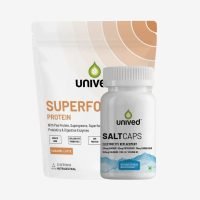
Super Foods: A Practical Guide to Nutrient-Rich Foods for Everyday Wellness

Introduction to Super Foods
Super Foods are commonly understood as nutrient-dense foods that can contribute valuable nutrients as part of a varied and balanced diet. The term is often used for foods that naturally contain vitamins, minerals, protein, fibre, healthy fats or other naturally occurring nutrients.
The idea behind Super Foods is not that one food can provide everything the body needs. Instead, they can be incorporated into everyday meals to increase variety and introduce nutrient-rich ingredients into a balanced eating pattern. Options may range from plant-based foods and seeds to algae, whole grains, fruits, vegetables and other naturally nutrient-dense ingredients.
For Indian households, Super Foods can be particularly practical when incorporated into familiar meals, breakfast options, beverages or snacks.
Types, Varieties and Important Aspects of Super Foods
Plant-Based Super Foods

Many foods commonly described as Super Foods come from plants. Fruits, vegetables, legumes, seeds, nuts, whole grains and certain leafy or aquatic plants can provide a range of nutrients.
Plant-based foods can be used in many different ways, making them suitable for people with different dietary preferences. Their nutritional profiles can vary considerably, so variety remains important.
Greens and Leafy Nutrient Sources

Green vegetables and other green plant-based ingredients are often valued for their nutritional content. They may provide nutrients such as fibre, vitamins and minerals depending on the specific food.
Green ingredients can be incorporated into smoothies, meals, soups or other recipes according to personal preference.
Seeds, Nuts and Natural Ingredients

Seeds and nuts are commonly included in nutrient-focused diets because they can provide protein, fats, fibre and other nutrients. Examples include chia seeds, flaxseeds, pumpkin seeds, sunflower seeds, almonds and walnuts.
Because different seeds and nuts have different nutritional profiles, using a variety rather than depending on just one option can add dietary diversity.
Whole-Food Super Food Ingredients

Whole grains, pulses, berries, fruits and vegetables can also be part of a Super Foods-focused eating pattern. These foods can provide combinations of carbohydrates, fibre, vitamins, minerals and other naturally occurring nutrients.
How to Choose the Right Products in the Super Foods Category
Consider Your Dietary Requirements
The right choice depends on individual dietary preferences and requirements. Some people may prefer plant-based options, while others may be looking for ingredients that complement a protein-focused or high-fibre eating pattern.
Before choosing a packaged Super Food, consider how it fits into your existing diet rather than selecting it solely because it is marketed as a nutrient-rich food.
Check the Ingredient List
For packaged foods and nutrition products, read the complete ingredient list. Look for clear information about the primary ingredients and any additional components.
If you follow a particular dietary pattern, checking ingredients can help you avoid products that do not match your preferences.
Review Nutritional Information
Nutritional information can provide useful details about serving size, protein, carbohydrates, fats, fibre, vitamins, minerals and other relevant nutrients.
Do not assume that a product is nutritionally suitable simply because it uses the term “Super Food”. Compare the actual nutrition information with your dietary needs.
Consider Serving Size
A product’s nutritional values are often provided per serving. Understanding the serving size helps you interpret the information correctly and compare different products more meaningfully.
Consider Ease of Use
Convenience can be an important factor when choosing Super Foods. Powders, seeds, dried ingredients and ready-to-use foods may be easier to incorporate into busy routines than ingredients requiring extensive preparation.
Choose formats that you are realistically likely to use consistently.
Popular Styles, Varieties and Choices Related to Super Foods
Spirulina and Algae-Based Foods

Algae-based ingredients such as spirulina are often included in nutrient-focused diets. They can be available in different formats and are generally used as an addition to meals or beverages.
When choosing such products, check the ingredient list, serving information and manufacturer’s directions.
Super Greens

Super greens generally refer to combinations of green vegetables, leafy ingredients, grasses or other plant-based components. They may be available as whole foods, powders or drink mixes.
The ingredients can vary significantly between products, so reading the label is important.
Protein-Rich Super Foods

Some nutrient-dense foods and specialised nutrition products provide protein alongside other nutrients. Plant-based sources can include pulses, seeds, nuts and certain grains, while other options may use different protein sources.
The appropriate choice depends on individual dietary requirements and the role of protein in the overall diet.
Natural Seeds and Whole Ingredients

Seeds, nuts, fruits and whole grains can be simple ways to add variety to everyday meals. They can be used in breakfast bowls, salads, homemade snacks, smoothies and traditional recipes.
Why Explore Super Foods on SaleManch?
SaleManch provides a convenient place to explore wellness and nutrition-related categories. The Super Foods category can help customers discover different types of nutrient-focused ingredients and food formats in one place.
When exploring the category, customers can compare ingredient lists, nutritional information, serving guidance and product descriptions according to their individual preferences.
Rather than treating Super Foods as a replacement for balanced meals, customers can view them as part of a broader approach to dietary variety. This makes informed selection more important than simply following food trends.
Tips for Choosing Super Foods
- Read the ingredient list: Understand exactly what a packaged product contains.
- Check nutritional information: Look at the nutrients provided per serving.
- Consider your overall diet: Choose foods that complement rather than unnecessarily duplicate your existing dietary intake.
- Prefer variety: Different foods provide different combinations of nutrients.
- Check serving instructions: Follow the manufacturer’s recommended usage for packaged products.
- Consider dietary preferences: Check whether the ingredients suit vegetarian, vegan or other dietary requirements.
- Watch for allergens: Carefully review allergen information if you have known food allergies or sensitivities.
- Choose practical formats: Select foods that fit naturally into your daily routine.
- Do not rely on marketing claims alone: Evaluate the actual ingredients and nutrition information.
- Keep meals balanced: Super Foods work best as part of a varied diet containing different food groups.
Frequently Asked Questions
What are Super Foods?
Super Foods is a general term commonly used for foods that are particularly nutrient-dense or contain a useful combination of nutrients. It is not a formal nutritional category.
Are Super Foods a replacement for a balanced diet?
No. Individual foods cannot provide every nutrient required by the body. Super Foods are best considered as part of a varied and balanced eating pattern.
What are some common types of Super Foods?
Commonly discussed examples include fruits, vegetables, whole grains, seeds, nuts, pulses, algae-based foods and other nutrient-rich ingredients.
Are Super Foods suitable for everyone?
Suitability depends on individual dietary requirements, allergies, intolerances and preferences. People with specific dietary concerns should check ingredients carefully and seek professional guidance when appropriate.
How should I choose a Super Food product?
Check the ingredients, nutritional information, serving size, dietary suitability, allergen information and manufacturer’s instructions before making a choice.
Are powdered Super Foods useful?
Powdered formats can be convenient ways to incorporate certain ingredients into meals or beverages. Their suitability depends on the ingredients, nutritional profile and how they fit into the individual’s overall diet.
Can Super Foods be included in everyday meals?
Yes. Many nutrient-rich foods can be incorporated into breakfast, snacks, salads, beverages and regular meals according to personal preferences.
Should I choose one Super Food or several?
Dietary variety is generally more useful than relying heavily on one food. Different foods provide different nutrients and can contribute to a more diverse eating pattern.
What should I check before buying Super Foods online?
Review the ingredient list, nutrition information, serving size, allergen details, storage instructions and intended use. Clear product information can support a more informed decision.
Can Super Foods support an active lifestyle?
Nutrient-rich foods can form part of the diet of an active person, but nutritional needs vary according to activity level, age and individual circumstances. Overall dietary balance remains important.
Conclusion
Super Foods can be a practical way to introduce greater variety and nutrient-rich ingredients into everyday eating habits. From plant-based ingredients and seeds to greens, whole foods and specialised nutrition formats, the most suitable choice depends on individual dietary preferences and requirements. By reading labels carefully and focusing on overall dietary balance, customers can make more informed choices. Explore the Super Foods category on SaleManch to discover options that can complement your everyday food routine.