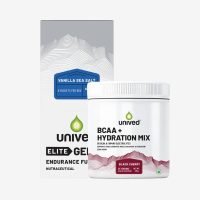
Sports Nutrition: A Practical Guide to Nutrition for Active Lifestyles

Introduction to Sports Nutrition
Sports Nutrition is an important part of an active lifestyle, helping people understand how food, fluids and nutritional products can fit around physical activity. Whether you enjoy regular workouts, recreational sports, running, cycling, strength training or endurance activities, nutrition is closely connected with how you plan and manage your routine.
Sports nutrition is not limited to professional athletes. Beginners and everyday fitness enthusiasts can also benefit from learning about appropriate nutrition before, during and after exercise. The right approach depends on factors such as activity level, exercise duration, personal dietary preferences and overall nutritional needs.
A balanced everyday diet remains the foundation, while sports nutrition products may be considered as part of a broader nutrition strategy when appropriate.
Types and Important Aspects of Sports Nutrition
Protein and Protein-Based Nutrition
Protein is an important nutrient in the diet and plays a role in maintaining and building body tissues. People who exercise regularly often pay particular attention to their protein intake.
Protein-focused sports nutrition products can come in different forms, including powders, ready-to-mix preparations and other convenient formats. The appropriate choice depends on dietary preferences, existing food intake and individual nutritional requirements.
Hydration and Electrolyte Nutrition
Fluid intake becomes an important consideration during physical activity, particularly when exercise is prolonged or takes place in warm conditions.
Hydration-focused products may contain electrolytes or other ingredients intended for use around exercise. However, requirements vary considerably between individuals and activities, so hydration should be planned according to the nature and intensity of the activity.
Energy and Endurance Nutrition
Long-duration physical activities can require careful attention to energy intake. Sports nutrition may include convenient sources of carbohydrates or other nutrients intended to be consumed around extended exercise sessions.
These formats can be particularly relevant to endurance-oriented activities where carrying and consuming conventional meals during exercise may not be practical.
Recovery-Oriented Nutrition
Nutrition after physical activity is another important aspect of sports nutrition. Meals containing appropriate amounts of protein, carbohydrates and fluids can form part of a normal post-exercise routine.
Some specialised nutrition products are designed around recovery-related dietary requirements, but they should complement rather than replace a balanced diet.
Pre-Workout Nutrition
Food consumed before exercise can influence how comfortable and prepared a person feels during training. The ideal meal or snack depends on the timing of exercise, activity type and individual tolerance.
Some people prefer a regular meal several hours before training, while others may choose a lighter snack closer to exercise.
How to Choose the Right Sports Nutrition Products
Consider Your Activity
Begin by understanding what you actually do. Someone participating in occasional fitness sessions may have very different nutritional requirements from someone training regularly for endurance events.
Choose products based on your activity rather than assuming that every sports nutrition product is necessary.
Understand Your Nutritional Needs
Consider what you already receive from your normal diet. Sports nutrition products should fit into your overall nutritional intake rather than being treated as a substitute for nutritious everyday meals.
If you have specific dietary requirements, consult a qualified healthcare or nutrition professional before making significant changes.
Check the Ingredient List
Always read the ingredient information and nutritional panel. Pay attention to ingredients that may conflict with allergies, dietary preferences or personal restrictions.
This is particularly important when choosing products containing caffeine, sweeteners, dairy ingredients, plant-based ingredients or other specific components.
Consider Timing and Convenience
Think about when you intend to use the product. Pre-workout, during-exercise and post-workout nutrition can have different purposes.
Packaging and preparation also matter. A product that is easy to carry and prepare may be more practical for people who train away from home.
Check Serving Information
Read the manufacturer’s serving guidance carefully. Avoid assuming that a larger quantity is automatically better. Your nutritional requirements depend on your diet, activity and individual circumstances.
Popular Sports Nutrition Choices

Sports nutrition covers several broad areas, allowing active individuals to choose according to their routine.
Protein nutrition is commonly considered by people who want convenient ways to increase dietary protein.
Electrolyte and hydration products may be useful in situations where fluid and electrolyte intake requires additional planning, particularly during prolonged activity.
Carbohydrate-based sports nutrition can provide convenient energy during longer exercise sessions where traditional meals are impractical.
Caffeine-containing products are another category sometimes used by active individuals. Because caffeine affects people differently, personal tolerance and total daily intake should always be considered.
Recovery-focused nutrition can complement normal meals following demanding physical activity.
The important point is that sports nutrition should be personalised rather than approached as a one-size-fits-all solution.
Why Explore Sports Nutrition on SaleManch?
SaleManch provides a convenient place to explore different categories related to everyday wellness and active lifestyles. The Sports Nutrition category brings together nutritional formats intended for different stages and styles of physical activity.
For customers, having a dedicated category makes it easier to explore products according to their nutritional preferences and fitness routines. It also encourages shoppers to consider ingredients, serving information and intended use rather than selecting products solely based on marketing terminology.
Whether you are beginning a fitness routine or regularly participating in physical activities, understanding the different areas of sports nutrition can help you make more informed choices.
Tips for Choosing Sports Nutrition Products
- Start with your diet: Understand your everyday food intake before adding specialised nutrition products.
- Match products to your activity: Different activities have different nutritional demands.
- Read nutrition labels: Check serving size, ingredients and nutritional information carefully.
- Consider dietary preferences: Look for formats that fit your personal eating pattern.
- Think about timing: Decide whether the product is intended for use before, during or after exercise.
- Stay hydrated: Water remains an important part of everyday physical activity and hydration planning.
- Be careful with caffeine: Consider your total caffeine intake and individual tolerance.
- Avoid unnecessary products: Not every active person needs every type of sports nutrition.
- Follow usage instructions: Use products according to the manufacturer’s directions.
- Seek professional guidance when needed: If you have a medical condition, take medication or follow a specialised diet, consult an appropriate healthcare professional before using supplements.
Frequently Asked Questions
What is Sports Nutrition?
Sports Nutrition refers to the use of food, fluids and specialised nutritional products as part of an active lifestyle. It considers nutrition before, during and after physical activity.
Is Sports Nutrition only for professional athletes?
No. Sports nutrition can be relevant to anyone who participates in physical activity, including recreational exercisers, fitness enthusiasts and people involved in organised sports.
Why is protein important in Sports Nutrition?
Protein is an essential nutrient involved in maintaining and building body tissues. Active individuals may pay particular attention to protein intake depending on their diet and exercise routine.
What are electrolytes?
Electrolytes are minerals that carry an electrical charge in the body. They include substances such as sodium and potassium and are involved in several normal bodily processes.
When should sports nutrition products be consumed?
Timing depends on the type of product and the individual’s activity. Some products are designed for use before exercise, some during prolonged activity and others after training. Always follow the product’s instructions.
Do I need sports nutrition products if I exercise regularly?
Not necessarily. Many active people can meet their nutritional needs through a balanced diet. Specialised products may provide convenience in particular situations but are not automatically necessary.
What should I check before buying a sports nutrition product?
Check the ingredients, nutritional information, serving guidance, intended use and any dietary considerations relevant to you.
Are sports nutrition products suitable for beginners?
Some products may be used by beginners, but the need for specialised nutrition depends on the individual’s activity, diet and goals. Beginners should generally focus first on balanced nutrition, adequate fluids and consistent training.
Is hydration part of Sports Nutrition?
Yes. Hydration is an important part of nutrition for physical activity. Fluid requirements can vary depending on exercise duration, intensity, environment and individual factors.
Can Sports Nutrition replace regular meals?
Sports nutrition products should generally not be viewed as a replacement for a varied, balanced diet. Whole foods provide a broad range of nutrients and should remain an important part of everyday nutrition.
Conclusion
Sports Nutrition is about making informed choices that complement an active lifestyle. Understanding protein, hydration, energy, recovery, ingredients and timing can help individuals build a nutrition routine that fits their particular activities and preferences.
Explore the Sports Nutrition category on SaleManch to discover nutritional options for different active-lifestyle needs and make choices based on your personal routine, dietary preferences and product information.