
Anti-oxidants: A Simple Guide to Antioxidant Wellness and Everyday Nutrition
Introduction to Antioxidants
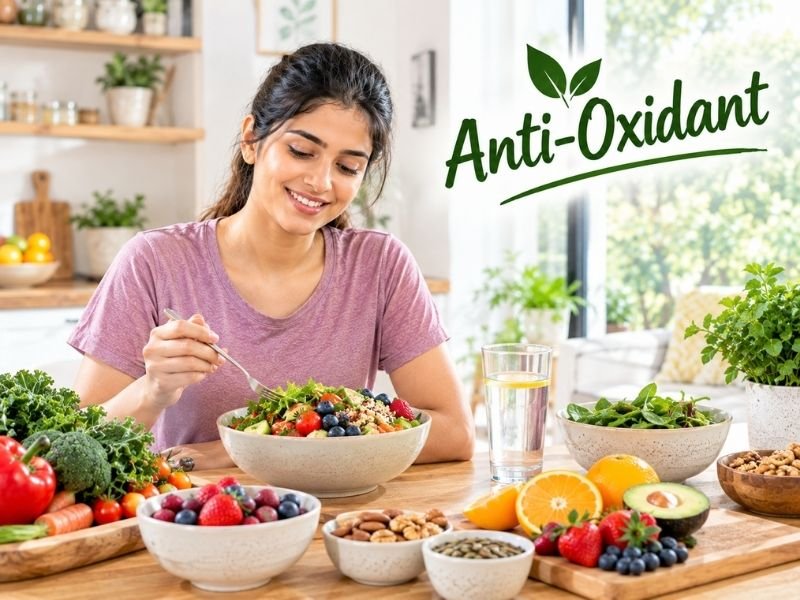
Antioxidants are naturally occurring compounds that are widely found in fruits, vegetables, herbs, spices, grains and other foods. They are also commonly used in nutritional and wellness products designed to complement everyday dietary habits.
The term antioxidants is often associated with general wellness because these compounds help the body deal with oxidative stress as part of its normal biological processes. A balanced diet containing a variety of plant-based foods is an important foundation for overall nutrition, while antioxidant-focused products can be considered according to individual dietary preferences and requirements.
At SaleManch, the Anti-Oxidants category brings together wellness choices associated with nutrients, plant-based ingredients, herbs and nutritional support. Understanding the different types can help you make more informed choices.
Types and Important Aspects of Antioxidants
Vitamin-Based Antioxidant Nutrients
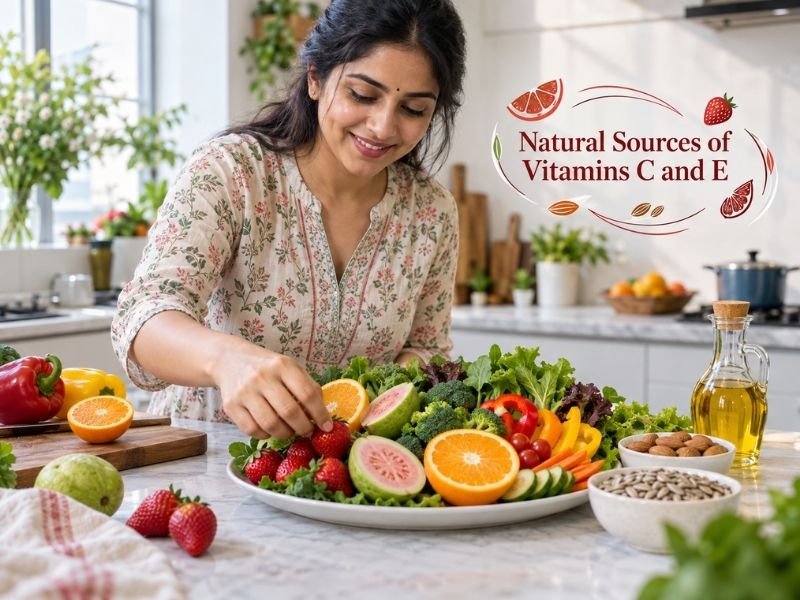
Certain vitamins are commonly associated with antioxidant activity. Vitamins such as vitamin C and vitamin E are well-known examples found naturally in a range of foods.
Vitamin C is present in fruits and vegetables, while vitamin E occurs in foods such as nuts, seeds and vegetable oils. Nutritional products containing these nutrients may be suitable for people looking to complement their regular dietary intake.
Mineral and Trace-Nutrient Support
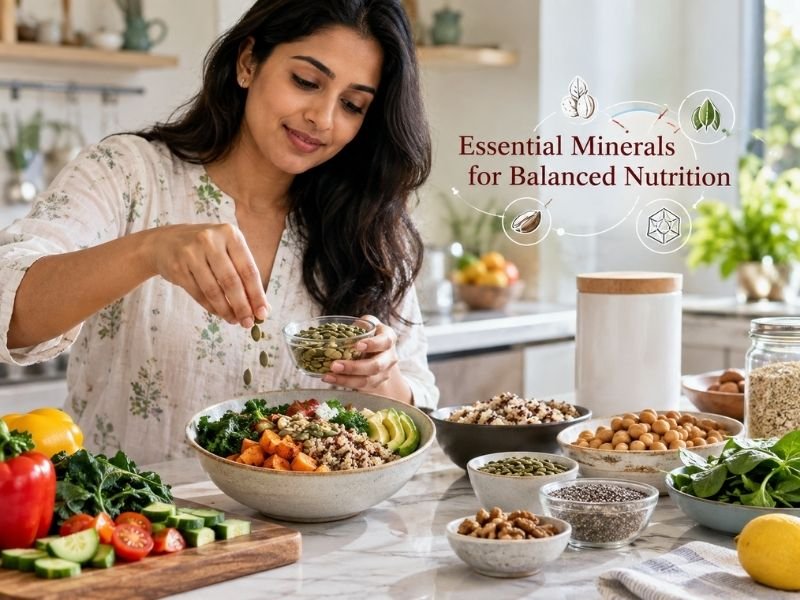
Some minerals are also involved in the body’s natural antioxidant defence systems. Zinc and other essential nutrients have important biological roles beyond antioxidant activity.
When considering nutritional products, it is useful to look at the complete ingredient information rather than choosing something solely because it is marketed around a single nutrient.
Plant-Based Antioxidant Sources
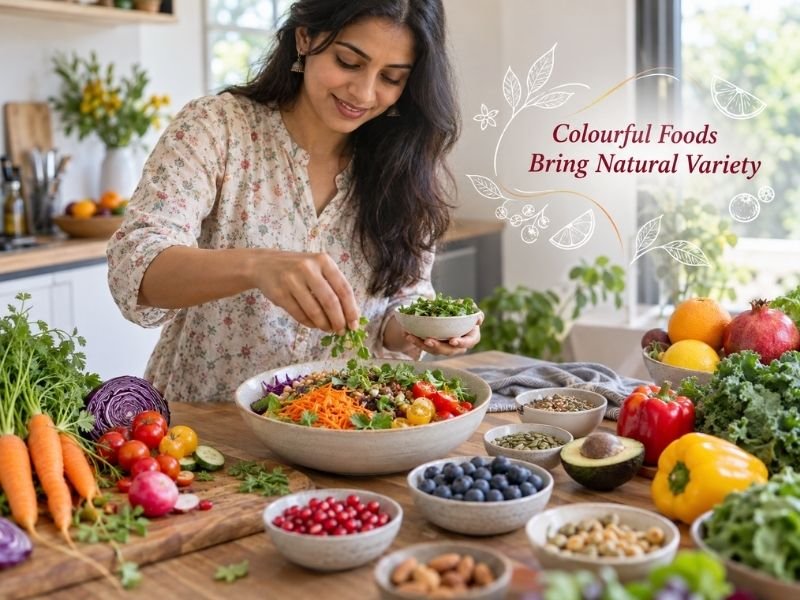
Many plants contain naturally occurring compounds such as polyphenols, flavonoids and carotenoids. Colourful fruits and vegetables are particularly well known for providing a variety of these compounds.
Herbs, botanical ingredients, seeds and plant extracts can also be part of antioxidant-focused nutrition. Their composition can vary considerably, so checking the ingredient information is important.
Herbal and Traditional Ingredients
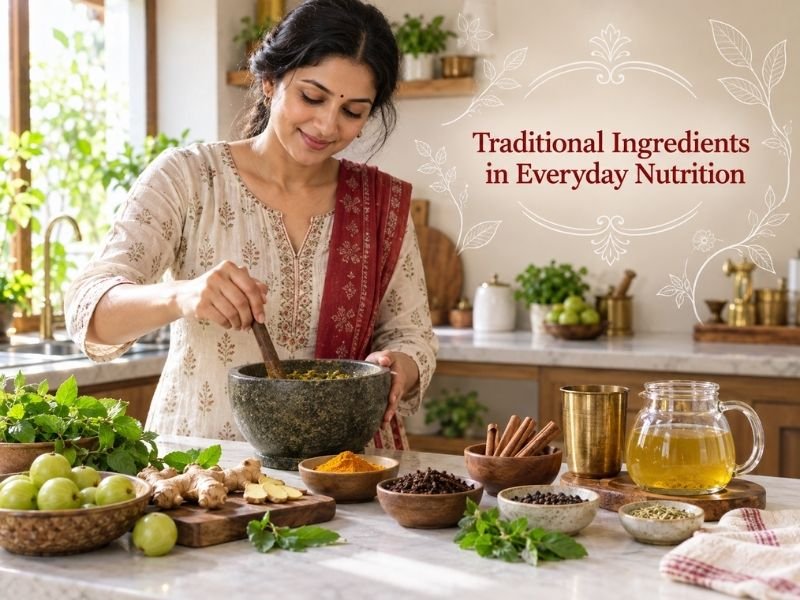
Traditional Indian wellness practices have long included herbs and botanical ingredients as part of dietary routines. Ingredients commonly associated with traditional wellness may appear in different forms, including powders, capsules, extracts and other preparations.
It is important to distinguish traditional use from scientifically established medical treatment. Antioxidant-focused products should be viewed as part of broader nutrition and wellness rather than as replacements for professional medical care.
How to Choose the Right Products in This Category
Check the Ingredients
Start by reading the complete ingredient list. Look for clearly stated nutrients, botanical ingredients and other components instead of relying only on front-label descriptions.
Understanding what a product contains makes it easier to compare different options according to your own dietary preferences.
Consider Your Dietary Purpose
Think about why you are exploring antioxidant nutrition. You may simply want to increase your intake of particular nutrients, explore plant-based ingredients or complement an existing dietary routine.
Choosing according to a clear purpose can prevent unnecessary purchases and help you select something that fits naturally into your lifestyle.
Consider the Form
Antioxidant-focused nutrition can come in several forms, including powders, capsules, tablets, oils, drinks and other preparations.
The most suitable format is often the one that fits comfortably into your existing routine. Consider convenience, serving instructions and personal preference before deciding.
Read Usage Information Carefully
Always follow the manufacturer’s recommended serving or usage instructions. More is not necessarily better, particularly with concentrated nutritional products.
If you have dietary restrictions, take regular medicines, are pregnant or have a health condition, consider speaking with a qualified healthcare professional before introducing new supplements into your routine.
Popular Styles, Varieties and Choices
The antioxidant category covers a broad range of nutritional approaches rather than one single type of product.
Vitamin-focused options may appeal to people interested in specific essential nutrients. Mineral-based choices can provide nutrients that have several roles within normal body functions. Botanical and herbal options offer another approach, particularly for people who prefer plant-derived ingredients.
There are also products built around combinations of nutrients and botanical ingredients. These can be convenient, but combination formulas make it especially important to check the complete ingredient list and serving information.
Another consideration is dietary preference. Some people prefer plant-derived ingredients, while others may be comfortable with different nutritional sources. Checking labels can help you make a choice that aligns with your preferences.
Why Explore the Anti-Oxidants Category on SaleManch?
Exploring the Anti-Oxidants category on SaleManch gives customers a convenient way to discover different types of nutritional and wellness choices in one place.
The category covers broad themes including vitamins, minerals, botanical ingredients and general wellness nutrition. Rather than focusing on one particular ingredient, shoppers can explore different approaches and decide what fits their personal preferences.
SaleManch also provides a broader shopping environment where customers can explore wellness alongside other everyday categories. This makes it easier to consider nutritional choices as part of a wider lifestyle rather than treating one product as a complete solution.
Tips for Choosing Antioxidant Products
- Read the full label: Check ingredients, serving information and directions before making a decision.
- Understand the ingredient: Learn what the main nutrient or botanical ingredient is and why it is included.
- Avoid exaggerated claims: Be cautious of products making unrealistic promises about health, ageing, detoxification or disease treatment.
- Consider your diet first: A varied diet containing fruits, vegetables, whole grains, nuts and seeds can provide many naturally occurring antioxidant compounds.
- Check your dietary requirements: Consider allergies, dietary restrictions and personal preferences before choosing a product.
- Do not automatically choose the highest strength: Nutritional needs vary, and higher quantities are not automatically more beneficial.
- Follow recommended usage: Use products according to their stated directions rather than exceeding the suggested amount.
- Consider professional advice when needed: People with specific health circumstances or medication requirements should seek appropriate professional guidance.
- Store products properly: Follow the storage instructions on the packaging to help maintain product quality.
- Think about consistency: A wellness routine is generally more meaningful when it complements balanced eating, adequate sleep, physical activity and other healthy lifestyle habits.
Frequently Asked Questions
What are antioxidants?
Antioxidants are compounds that help protect cells from oxidative damage as part of the body’s normal biological processes. They occur naturally in many foods and are also available through nutritional products.
Why are antioxidants important in nutrition?
Antioxidant compounds are involved in the body’s natural defence mechanisms against oxidative stress. Eating a varied diet can provide a range of naturally occurring antioxidant compounds.
Which foods naturally contain antioxidants?
Fruits, vegetables, nuts, seeds, whole grains, herbs and spices can contain various antioxidant compounds. Different foods provide different nutrients and plant compounds.
Are antioxidants only available through supplements?
No. Many antioxidants and antioxidant-related nutrients occur naturally in everyday foods. Supplements are an additional option and should not be considered a replacement for a balanced diet.
What are common antioxidant nutrients?
Vitamin C, vitamin E and certain minerals are commonly associated with antioxidant functions. Various plant compounds, including polyphenols and carotenoids, are also widely studied for their antioxidant properties.
Are herbal ingredients considered antioxidants?
Some herbs and botanical ingredients contain compounds with antioxidant activity. However, their composition and effects can differ, so checking the ingredient information is important.
How should I choose an antioxidant supplement?
Consider the ingredients, serving information, dietary requirements, product format and your personal nutritional goals. Avoid choosing solely on broad marketing claims.
Can I take antioxidant supplements every day?
Whether a particular supplement is appropriate for daily use depends on its ingredients and your individual circumstances. Follow the manufacturer’s directions and seek professional advice when appropriate.
Are antioxidant products suitable for everyone?
Not necessarily. Individual dietary needs vary, and some ingredients may not be appropriate for certain people. Read the label carefully and seek professional guidance if you have specific health or dietary concerns.
Can antioxidant products replace a healthy diet?
No. Antioxidant-focused products should complement, rather than replace, a balanced and varied diet. Overall nutrition and lifestyle habits remain important for general wellbeing.
Conclusion
Antioxidants are a broad area of nutrition encompassing vitamins, minerals and naturally occurring plant compounds. Understanding ingredients, choosing products according to personal needs and maintaining sensible dietary habits can help make antioxidant nutrition a more informed part of everyday wellness.
Explore the Anti-Oxidants category on SaleManch to discover wellness choices that fit your nutritional preferences and lifestyle.
Anti-Oxidants