
Essential Oils: A Complete Guide to Choosing and Using Essential Oils
Introduction to Essential Oils
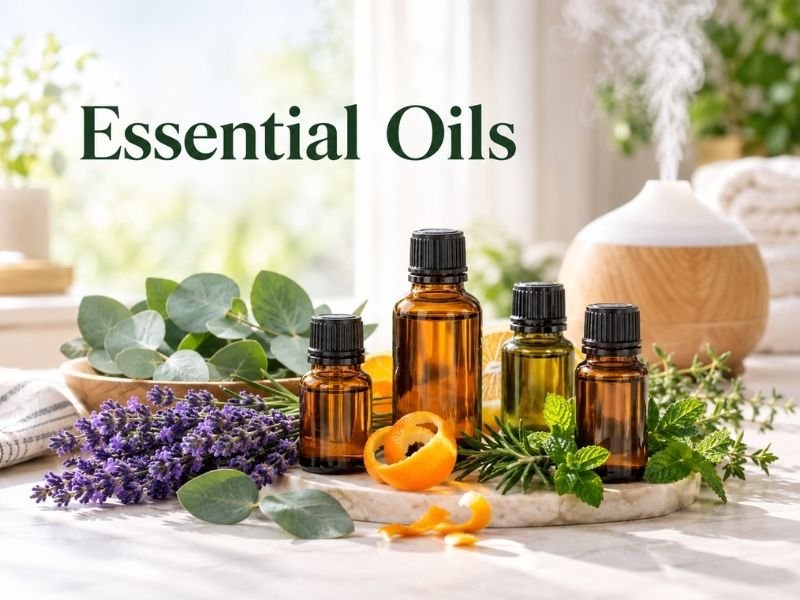
Essential oils are concentrated aromatic oils obtained from various parts of plants, including flowers, leaves, roots, seeds, fruits and stems. They are widely associated with personal care, home fragrance, relaxation rituals and traditional wellness practices.
Because essential oils are highly concentrated, choosing and using them correctly is important. Different oils have different aromas, characteristics and intended applications, so understanding the basics can help you select products that fit your personal preferences and routine.
Whether you are interested in aromatic experiences, hair and body care, massage routines or creating a pleasant environment at home, learning about essential oils can make your choices more informed.
Types, Styles and Important Aspects of Essential Oils
Essential oils vary considerably depending on the plant source, extraction method, aroma and intended use. Understanding these differences is useful when exploring the category.
Floral Essential Oils
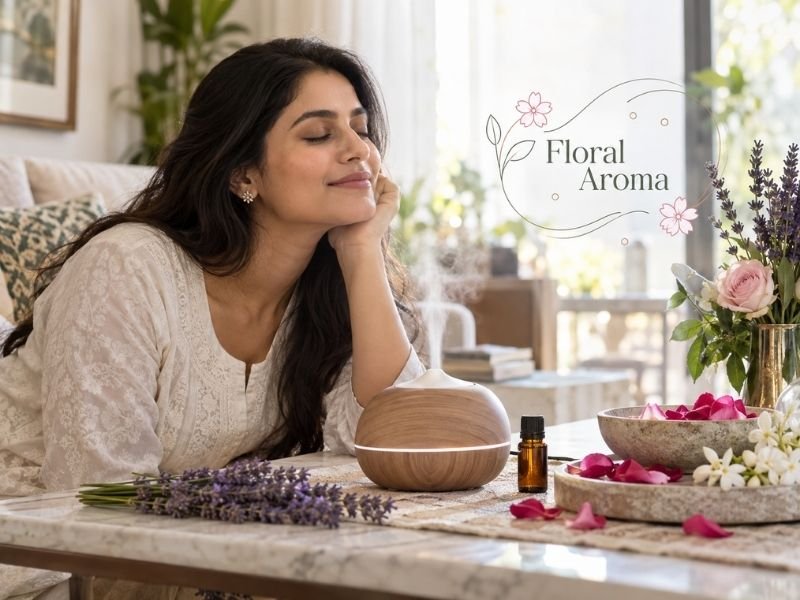
Floral oils are associated with flowers and are often recognised for their distinctive, delicate aromas. They are commonly considered for fragrance-focused routines, personal-care applications and relaxation rituals.
Their scent profiles can range from soft and sweet to rich and intense, making them suitable for different aromatic preferences.
Citrus Essential Oils
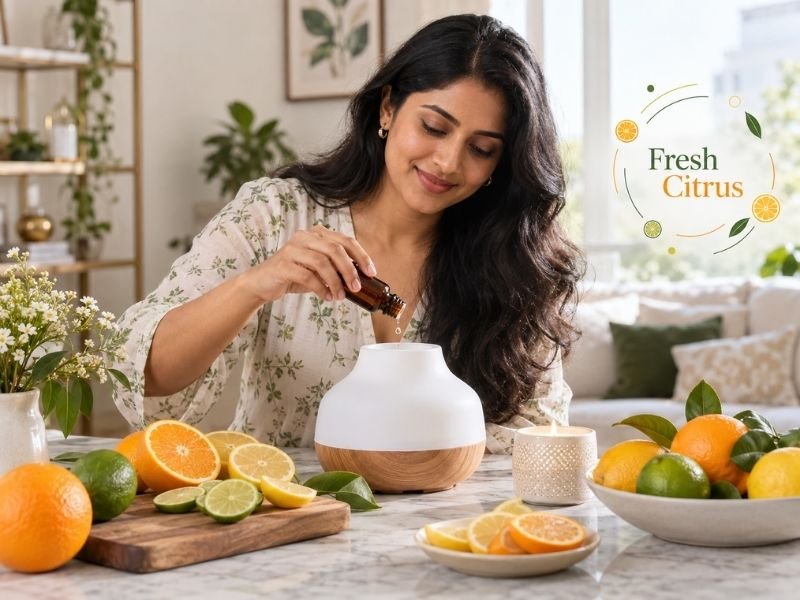
Citrus oils are derived from citrus fruits and are generally known for fresh, bright and refreshing aromas. They can be appealing for home fragrance and aromatic routines where a lively scent is preferred.
When using citrus oils, always check the product’s specific directions, particularly when applying them to skin.
Herbal and Green Aromas

Herbal essential oils are associated with aromatic plants and herbs. Their scent profiles may range from fresh and green to earthy and intense.
These oils are often chosen based on personal fragrance preferences and their compatibility with particular home or personal-care routines.
Woody and Earthy Essential Oils

Woody oils are typically associated with trees, bark or other woody plant materials. They tend to have deeper, warmer aromas and can be useful for people who prefer rich and grounding fragrance profiles.
Understanding Aroma Strength
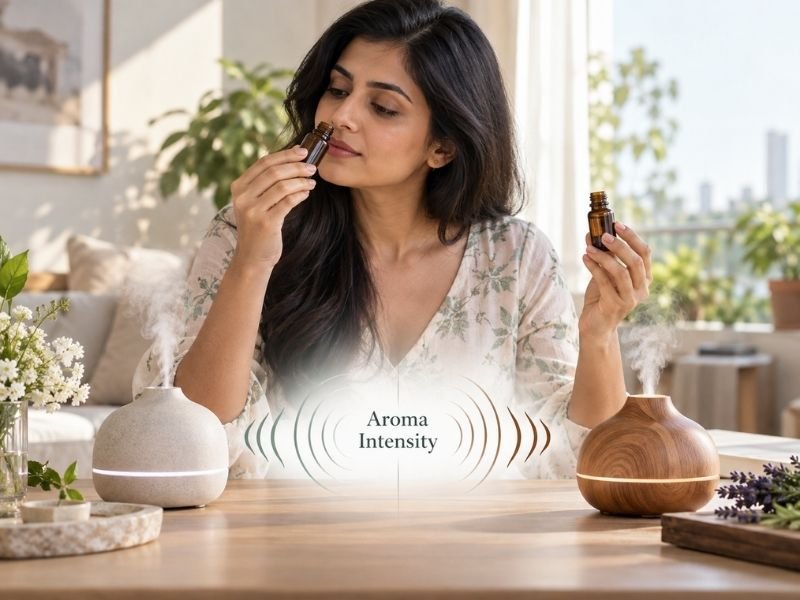
The intensity of an essential oil’s aroma can vary depending on its plant source, concentration and how it is used. A strong aroma does not necessarily mean that an oil is better; suitability depends on individual preference and intended application.
How to Choose the Right Essential Oils
Consider the Intended Purpose
Before choosing an essential oil, decide how you plan to use it. Essential oils may be selected for fragrance, personal-care routines, hair-care applications, massage or suitable home-aromatherapy practices.
Not every essential oil is appropriate for every use, so always check the label and manufacturer’s instructions.
Look at the Botanical Source
The plant from which an oil is obtained plays an important role in its aroma and characteristics. Check the product information for the botanical name or plant source where available.
This can help distinguish between oils with similar common names and make it easier to understand what you are purchasing.
Check Purity and Product Information
Read the label carefully before selecting an essential oil. Look for information about ingredients, intended use, directions, storage and any relevant warnings.
Avoid relying solely on broad terms such as “natural” or “pure”. Complete product information provides a better basis for comparison.
Consider Packaging and Storage
Essential oils are generally sold in small, carefully sealed containers because they are concentrated products. Follow the storage instructions provided with the product.
Keeping oils properly closed and stored as directed can help maintain their quality over time.
Popular Essential Oil Choices and Applications
Aromatherapy and Home Fragrance
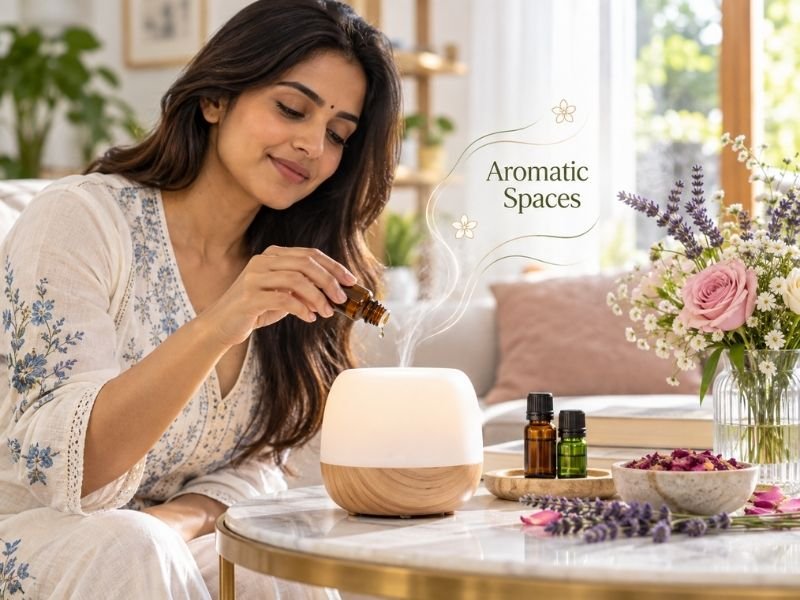
Essential oils are commonly associated with aromatherapy and home fragrance. Depending on the oil and appropriate method of use, they can add distinctive aromas to personal spaces.
Diffusers and other purpose-designed methods can be used according to their instructions.
Hair and Personal Care
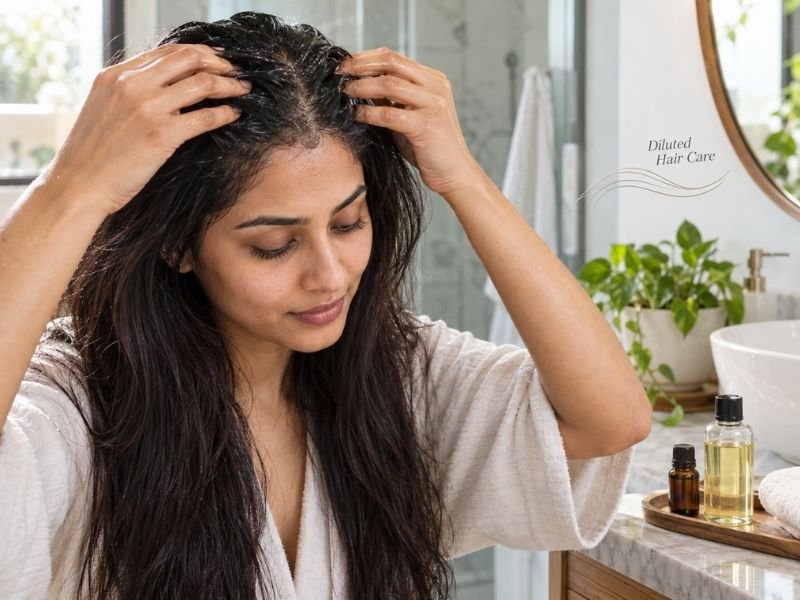
Some essential oils are incorporated into hair-care and personal-care routines. However, essential oils are concentrated and should not automatically be applied directly to the skin or scalp.
When an essential oil is intended for topical use, follow the manufacturer’s directions and use an appropriate dilution method where required.
Massage and Relaxation Routines
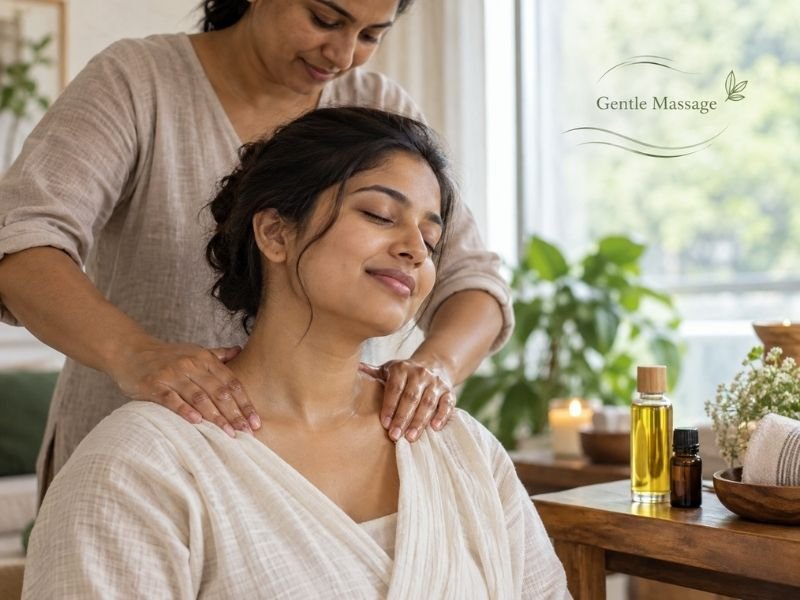
Certain aromatic oils are used as part of massage or relaxation routines. For topical applications, dilution with a suitable carrier oil is commonly relevant because concentrated essential oils may be unsuitable for direct application.
Always check specific usage guidance before incorporating an oil into a massage routine.
Blending Different Aromas
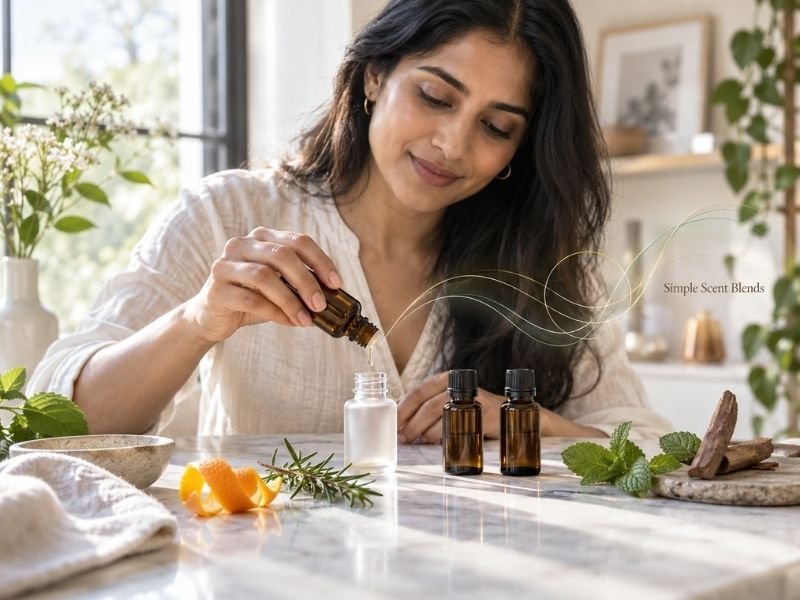
Some people enjoy creating fragrance blends by combining different essential oils. Blending can create new scent profiles, but beginners should start cautiously and understand the properties and recommended applications of each oil.
Keeping combinations simple can make it easier to identify which aromas you prefer.
Why Explore Essential Oils on SaleManch?
SaleManch provides a convenient place to explore categories related to personal care, wellness and everyday lifestyle needs. The Essential Oils category can help customers discover aromatic products while considering their individual preferences and intended uses.
When exploring this category, customers can focus on factors such as plant source, aroma profile, intended application, formulation and usage instructions rather than choosing solely based on packaging or marketing descriptions.
A well-informed approach makes it easier to select an essential oil that fits naturally into your personal routine.
Tips for Choosing and Using Essential Oils
- Read the label carefully: Check ingredients, directions, intended use and warnings before using an oil.
- Know your purpose: Choose an oil according to whether you want it for fragrance, personal care, hair care or another intended application.
- Do not assume direct application is suitable: Essential oils are concentrated and may require dilution for topical use.
- Use a suitable carrier oil: When topical dilution is recommended, use an appropriate carrier oil and follow the stated guidance.
- Patch test when appropriate: Before using a diluted oil on a larger area of skin, consider testing a small area first.
- Keep oils away from sensitive areas: Avoid contact with eyes and other sensitive areas unless the product specifically states otherwise.
- Follow diffuser instructions: If using an oil with a diffuser, follow the device and oil manufacturer’s recommendations.
- Store responsibly: Keep containers properly closed and follow storage instructions.
- Be careful around children and pets: Some essential oils may not be suitable for children or animals, so check appropriate safety guidance.
- Stop if irritation occurs: If a product causes an adverse reaction, discontinue use and seek appropriate professional advice when necessary.
Frequently Asked Questions
What are essential oils?
Essential oils are concentrated aromatic substances obtained from various parts of plants. They are commonly used for fragrance, personal-care routines and other applications depending on the specific oil.
Are essential oils suitable for direct application to the skin?
Not necessarily. Many essential oils are concentrated and may require dilution before topical use. Always follow the product’s specific directions.
What is a carrier oil?
A carrier oil is a vegetable-based oil commonly used to dilute concentrated essential oils for certain topical applications. Examples include various plant-derived oils, depending on the intended use.
Can essential oils be used in hair care?
Some essential oils may be incorporated into hair-care routines, but suitability depends on the specific oil and formulation. Follow the manufacturer’s instructions rather than applying concentrated oils directly without guidance.
Can essential oils be used for home fragrance?
Yes, some essential oils are commonly used for aromatic purposes in homes through suitable methods such as diffusers. Always follow the instructions for the particular device and oil.
How should essential oils be stored?
Storage requirements vary, but essential oils should generally be kept properly sealed and stored according to the manufacturer’s instructions. Appropriate storage helps maintain product quality.
How do I choose an essential oil aroma?
Choose according to your personal fragrance preference and intended use. Floral, citrus, herbal and woody profiles can offer very different aromatic experiences.
Can different essential oils be mixed?
Some essential oils can be blended, but compatibility, concentration and intended application should be considered. Beginners should start with simple combinations and follow relevant usage guidance.
Should I patch test an essential oil?
For topical use, patch testing a properly diluted preparation can be a sensible precaution, particularly when trying a new product. Follow the manufacturer’s instructions.
When should I avoid using an essential oil?
Avoid using an oil for applications that are not recommended on its label. If you have allergies, sensitivities, are pregnant, are considering use around children or pets, or have other specific concerns, seek appropriate professional guidance before use.
Conclusion
Essential oils can add variety to personal-care, aromatic and home-fragrance routines when selected and used thoughtfully. Understanding plant sources, aroma profiles, intended applications, dilution requirements and product instructions can help you make better-informed choices. Explore the Essential Oils category on SaleManch to discover options that suit your preferences and everyday lifestyle needs.
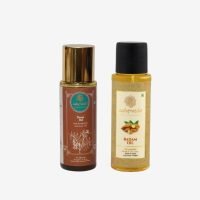
Essential Oils